What is a Bulging Disc?
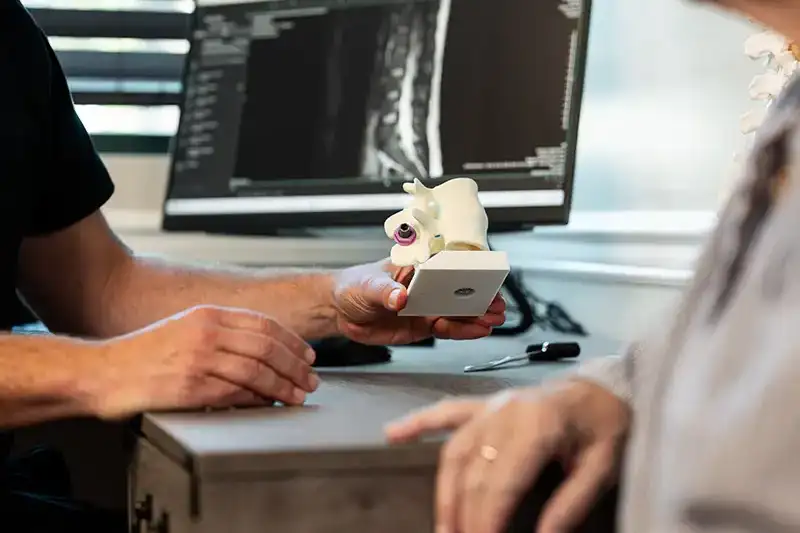
Your spine is made up of a series of bones called vertebrae, stacked on top of one another and separated by cushion-like discs. These discs absorb shock, distribute mechanical load, and give your spine the flexibility to bend, twist, and move.
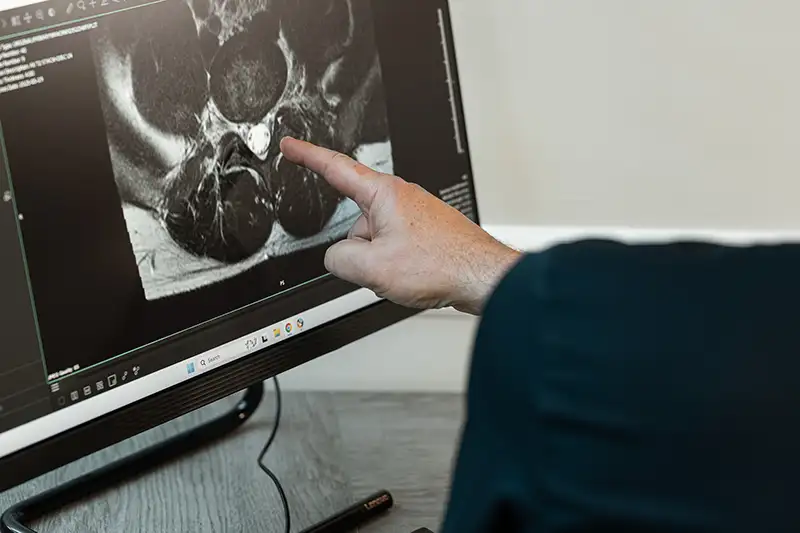
Each disc is composed of two distinct parts: a firm outer ring known as the annulus fibrosus, and a soft interior called the nucleus pulposus. In a healthy disc, the outer ring holds the inner gel securely in place. However, when the outer ring weakens or sustains damage, the disc can shift out of its normal position and protrude into the surrounding spinal space, creating a bulging disc. A bulging disc can press on nearby spinal nerves or the spinal cord itself, leading to significant pain, numbness, tingling, and functional limitations.
A bulging disc differs from a herniated disc in an important way: with a bulging disc, the outer layer of the disc remains intact but extends beyond its normal boundary. With a herniated disc, the outer layer ruptures, allowing the inner gel to leak out.
Bulging discs most commonly occur in the lumbar (lower back) region and the cervical (neck) region of the spine, as these areas bear the greatest mechanical load and experience the most movement.
What Causes a Bulging Disc?
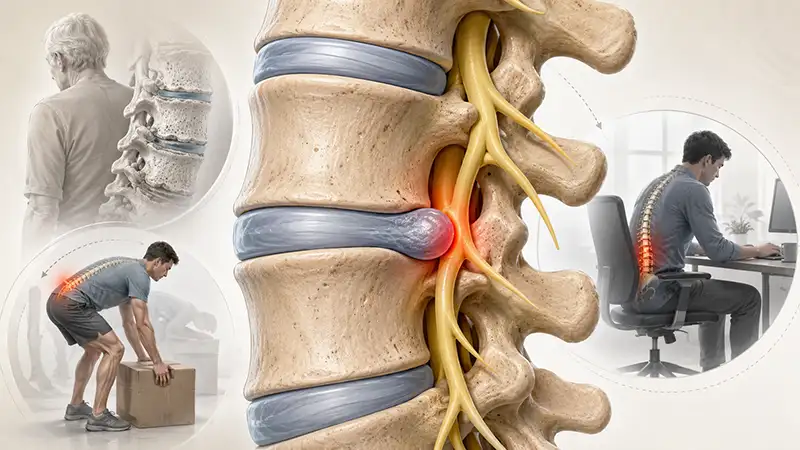
A bulging disc rarely develops from a single event. Instead, it is typically the result of gradual wear and tear on the spine over time, though certain factors can accelerate or trigger the process. Understanding what contributes to disc bulging is an important step in managing and preventing further disc damage.
Age-related degeneration is the most common underlying cause. As we grow older, spinal discs naturally lose water content, making them flatter, less flexible, and more susceptible to bulging under the routine pressures of daily movement. This process, known as degenerative disc disease, is a normal part of aging, but its severity varies significantly from person to person.
Other common causes of a bulging disc can include:
- Repetitive physical strain: Jobs or activities that require frequent bending, twisting, heavy lifting, or prolonged sitting can place excessive and repeated stress on spinal discs, accelerating breakdown of the outer ring.
- Poor posture: Chronic poor posture, whether sitting at a desk, driving, or using mobile devices, alters the natural curvature of the spine and creates uneven pressure across the discs.
- Excess body weight: Carrying extra weight increases the load on the lumbar spine in particular, hastening disc deterioration and increasing the likelihood of bulging.
- Sedentary lifestyle: Lack of physical activity weakens the muscles that support the spine, leaving discs to bear more load than they should. Core strength is especially important for lumbar disc health.
- Trauma or injury: A sudden fall, automobile accident, sports collision, or other traumatic event can cause a disc to bulge acutely. Even lifting a heavy object incorrectly in a single instance can trigger a disc injury.
- Genetics: Some individuals are born with structural predispositions that make their discs more vulnerable to degeneration and bulging at an earlier age.
- Smoking: Research has shown that smoking reduces blood flow to spinal discs, depriving them of the nutrients they need to remain healthy and resilient.
Symptoms of a Bulging Disc
One of the more challenging aspects of a bulging disc is that symptoms can vary dramatically from person to person, and in some cases, there may be no symptoms at all. The severity and location of bulging disc symptoms depends largely on where in the spine the disc bulge occurs:
Lumbar Bulging Disc (Lower Back):
- Persistent dull or sharp lower back pain, which may worsen with prolonged sitting, standing, bending forward, or coughing and sneezing
- Radiating pain that travels through the buttocks and down one or both legs, commonly referred to as sciatica, often described as burning, shooting, or electric in quality
- Numbness or tingling sensations in the thighs, calves, feet, or toes
- Muscle weakness in the legs, which may affect the ability to walk, climb stairs, or stand for extended periods
Cervical Bulging Disc (Neck):
- Neck pain and stiffness, particularly after periods of inactivity or upon waking
- Pain that radiates into the shoulders, arms, or hands, sometimes referred to as cervical radiculopathy
- Numbness, tingling, or a pins-and-needles sensation in the fingers or hands
- Grip weakness or difficulty performing fine motor tasks
In more advanced cases, if a bulging disc significantly compresses the spinal cord rather than just a nerve root, this can produce a condition called myelopathy, which may involve loss of coordination, difficulty walking, and in rare but serious cases, bladder or bowel dysfunction. Symptoms commonly worsen with activities that increase pressure within the disc, such as bending forward, lifting, or prolonged sitting. Relief is often found in positions that reduce disc pressure, such as lying down or walking with an assistive device.
Treatments We Offer for Bulging Disc
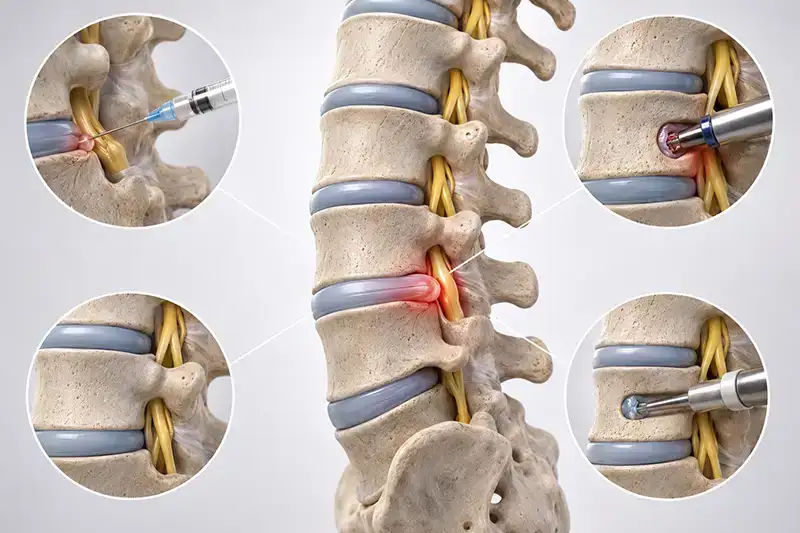
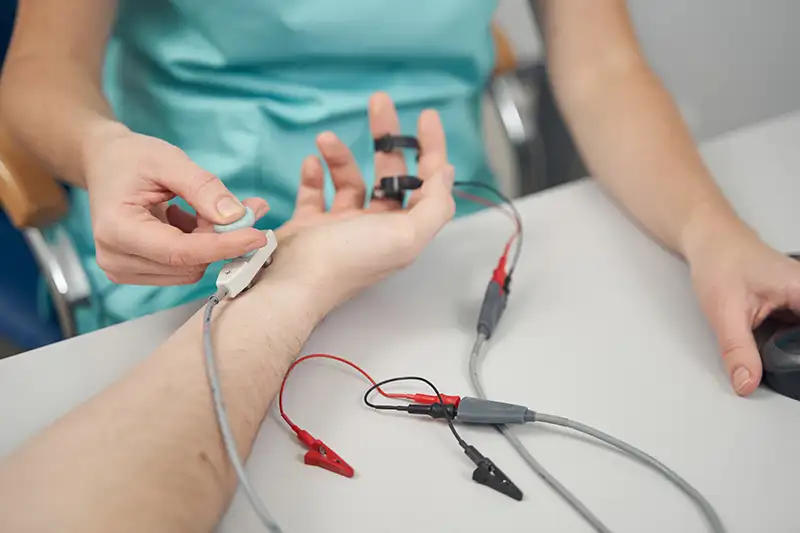
The vast majority of people with a bulging disc respond well to treatment, and most do not require surgery. At Shore Spine & Pain in Lakewood, NJ and Shrewsbury, NJ, Dr. Woska develops individualized care plans based on the location of the disc, the severity of symptoms, and overall goals. When needed, diagnostic tools such as Discography and Electrodiagnostic Testing (EMG) help confirm the disc as the source of pain and assess the extent of nerve involvement before treatment begins.
Interventional Pain Management:
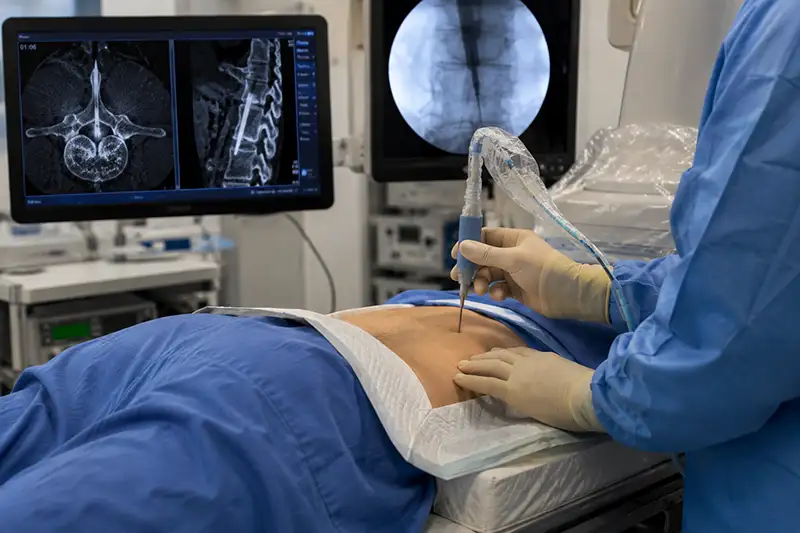
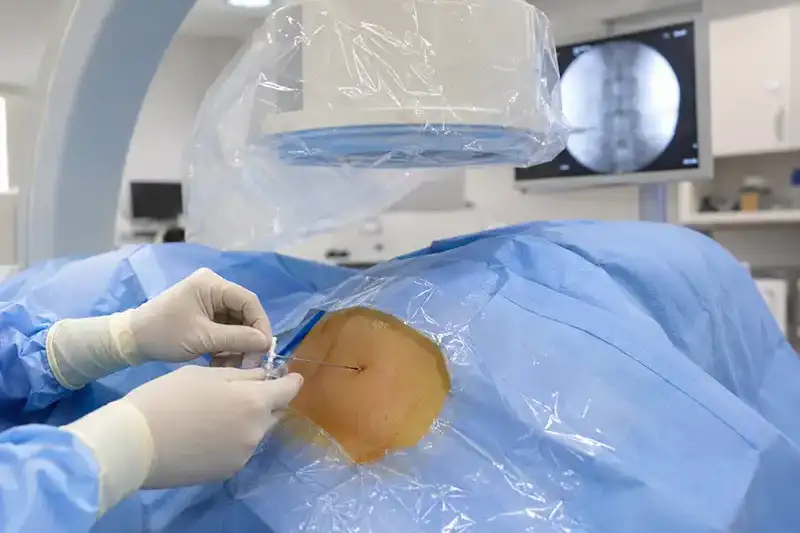
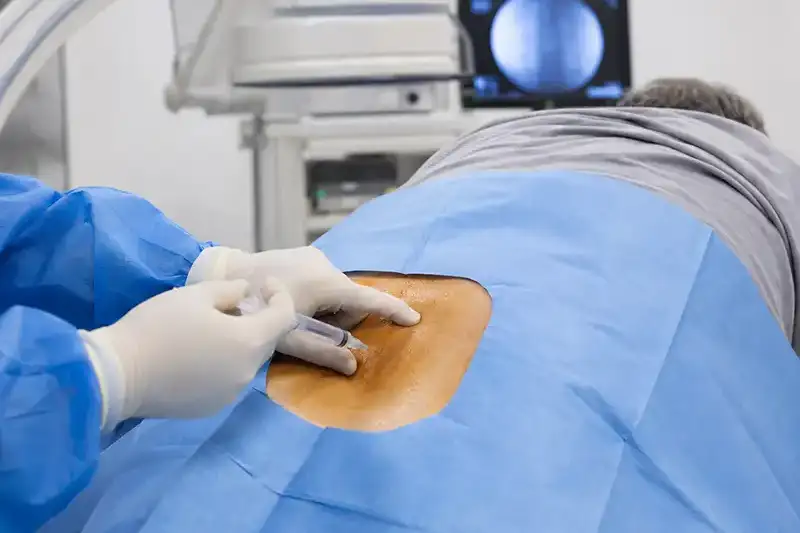
- Epidural Steroid Injections: A corticosteroid medication is delivered directly into the epidural space surrounding the affected nerve root, reducing inflammation and alleviating radiating pain into the arms or legs. Epidural Steroid Injections are among the most effective and commonly used treatments for disc-related nerve pain.
- Selective Nerve Root Blocks: A targeted injection of anesthetic and steroid medication around a specific nerve root can both diagnose the source of pain and provide meaningful relief.
Minimally Invasive Surgical Options:
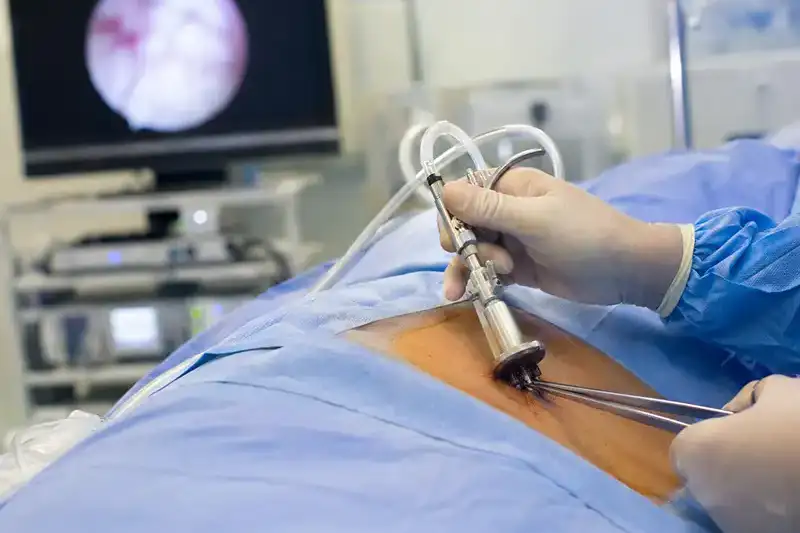
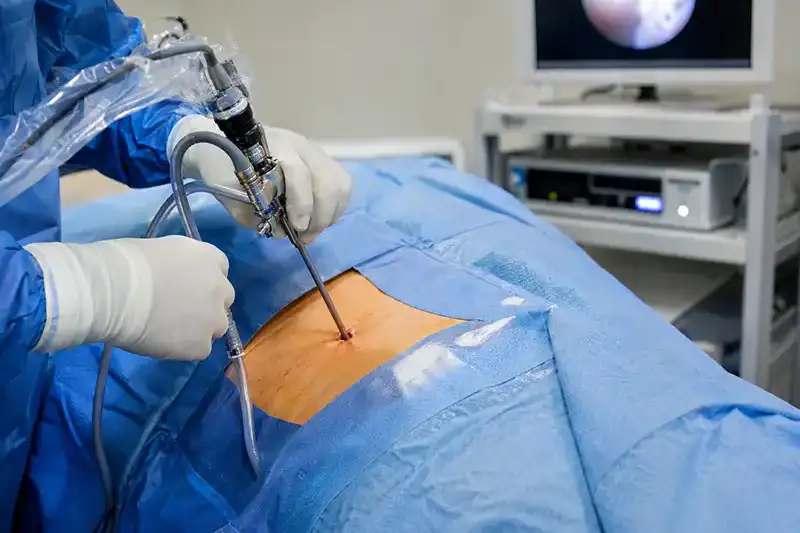
Surgery is considered only when conservative and interventional treatments have failed to provide adequate relief, or when progressive neurological symptoms such as worsening weakness or loss of bladder/bowel control are present. In these cases, a minimally invasive Discectomy may be recommended to remove the portion of the disc pressing on the nerve. For those with persistent or refractory pain following treatment, Spinal Cord Stimulation offers an additional option for long-term relief. Dr. Woska will discuss all options thoroughly and help you understand the risks, benefits, and expected recovery.
No matter where you are in your journey with a bulging disc, Shore Spine & Pain is committed to providing compassionate, expert care aimed at restoring your quality of life. Your treatment plan will be crafted specifically for you, with your goals, your timeline, and your wellbeing at the center of every decision.
Frequently Asked Questions about Bulging Discs
Is a bulging disc the same thing as a herniated disc?
Not exactly, though the two are often confused. With a bulging disc, the outer wall of the disc remains intact but extends beyond its normal boundary. Think of it like a hamburger patty that’s been pressed down and spills past the edge of the bun. A herniated disc goes a step further, meaning the outer wall has actually cracked and some of the inner material has pushed through. Both can be painful, but they’re different in terms of severity and how they’re treated
Can a bulging disc heal on its own?
In some cases, yes. Mild bulging discs can improve over time with rest, movement modification, and physical therapy. The disc won’t physically return to its original shape, but the inflammation around it can calm down enough that many people eventually become symptom-free. That said, it depends heavily on the individual, the location of the disc, and how much pressure it’s placing on surrounding nerves. Some bulging discs don’t resolve without intervention, which is why getting a proper evaluation matters rather than waiting it out indefinitely.
What does bulging disc pain actually feel like?
It varies more than most people expect. Some describe a deep, constant ache in the lower back that never fully goes away. Others experience sharp, electric pain that shoots down one leg when they move a certain way. Numbness, tingling, and a feeling of weakness in the legs or feet are also common. And for some, the most noticeable symptoms show up far from the spine altogether.
Will I need surgery for a bulging disc?
The majority of bulging disc conditions cases respond well to non-surgical treatment, including anti-inflammatory medications, and epidural steroid injections. Surgery typically only comes into the conversation when symptoms are severe, getting progressively worse, or when conservative treatments have been tried consistently without meaningful improvement. Even then, there are minimally invasive options worth exploring before anything more invasive is considered.