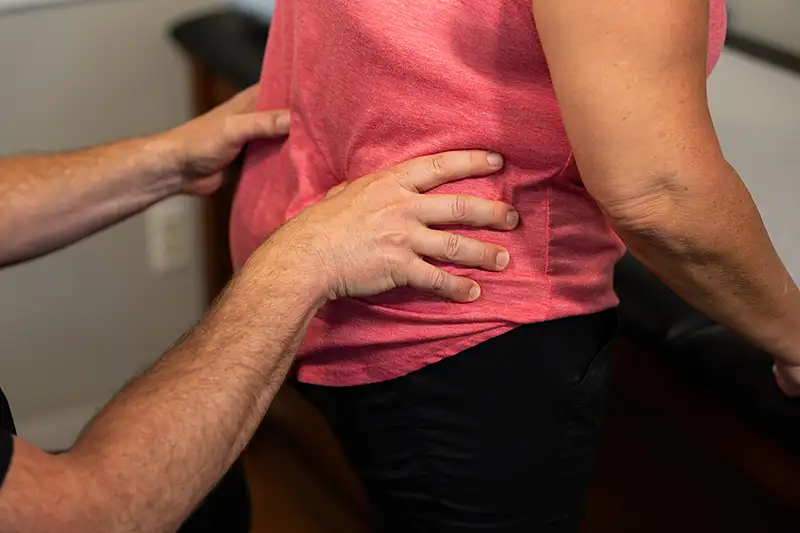
What is Sacroiliac Joint Pain?
Your sacroiliac joints, commonly called SI joints, sit at the base of your spine where it connects to your pelvis, one on each side. You may not think about them often, but they are working constantly, absorbing the impact and stress of nearly every movement you make, from walking and climbing stairs to simply shifting your weight while standing.
Unlike many joints in the body, the SI joints are not designed for a wide range of motion. Their strength comes from stability, and when that stability is compromised, the resulting pain can be significant and persistent.
If lower back, buttock, or hip pain has been affecting your daily life, the team at Shore Spine & Pain in Lakewood and Shrewsbury, New Jersey can help you find out what’s really going on.
What Causes Sacroiliac Joint Pain?
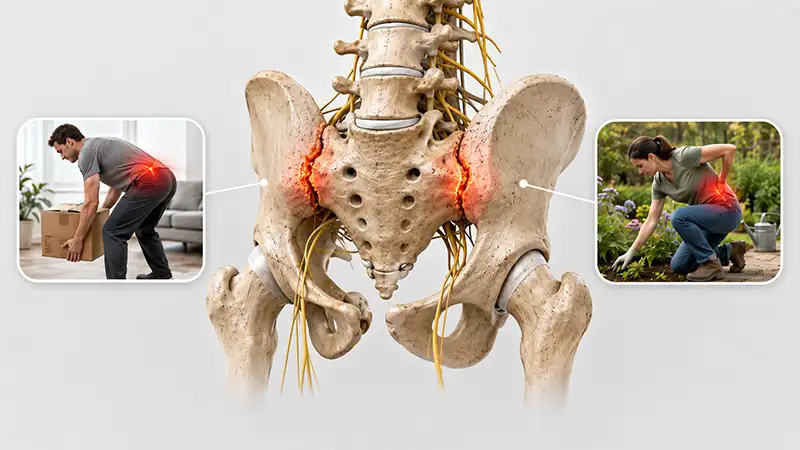
Sacroiliac joint pain and dysfunction has several possible causes, and more than one factor is often contributing at the same time.
- Acute Trauma: Any sudden impact to the pelvis can strain the ligaments surrounding the SI joint and throw off its normal mechanics. These injuries don’t always show up on standard imaging, which is one reason they are frequently missed or diagnosed late.
- Pregnancy and Hormonal Changes: During pregnancy, the body releases a hormone that loosens the ligaments in the pelvis to prepare for childbirth. This increased flexibility, combined with the added weight and postural changes of late pregnancy, frequently leads to SI joint pain that can linger well after delivery.
- Degenerative Arthritis: Like other joints in the body, the SI joint can wear down over time. As the cartilage that cushions the joint breaks down, inflammation sets in and pain follows. This form tends to develop gradually and becomes more common with age.
- Inflammatory Arthritis: Conditions such as ankylosing spondylitis, psoriatic arthritis, and reactive arthritis have a particular predilection for the sacroiliac joints, often producing significant inflammation, erosion, and eventually fusion of the joint. These conditions require a different treatment approach than degenerative SI joint pain.
- Leg Length Discrepancy and Postural Imbalance: When one leg is shorter than the other, even by a relatively small margin, the pelvis compensates by tilting, placing asymmetric load on the SI joints over time. Chronic muscular imbalances, altered gait patterns, and prior hip or knee surgery can produce the same effect through a different mechanism.
Symptoms of Sacroiliac Joint Pain
Sacroiliac joint pain can vary in intensity, location, and character from day to day. This is part of what makes it one of the most commonly overlooked causes of chronic lower back pain, with many people spending months or years being treated for herniated disc or spinal stenosis before the SI joint is identified as the true source.
The pain typically settles on one side, deep in the lower back and buttock over the affected joint. Many describe it as a focused ache rather than general soreness. It can also spread into the hip, groin, or back of the thigh in a pattern that looks a lot like sciatica.
Common activities and positions that can aggravate sacroiliac joint pain include:
- Rising from a chair after prolonged sitting
- Climbing or descending stairs
- Standing on one leg, such as when dressing
- Rolling over in bed or getting in and out of a car
- Walking on uneven surfaces or inclines
- Sitting for extended periods, particularly on hard surfaces
Because SI joint pain overlaps so closely with other spinal and hip conditions, an accurate diagnosis requires a thorough evaluation. If these symptoms sound familiar, the team at Shore Spine & Pain in Lakewood and Shrewsbury, New Jersey is here to help you find answers.
Treatments We Offer for Sacroiliac Joint Pain
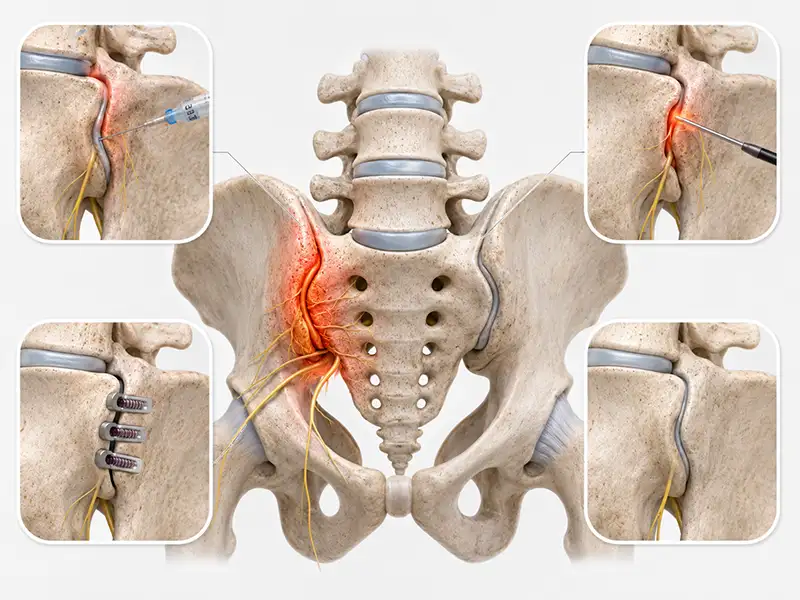
Sacroiliac joint pain responds best to treatment that is matched to its cause. Common treatments for sacroiliac joint pain offered at Shore Spine & Pain in New Jersey include:
Interventional Pain Management:
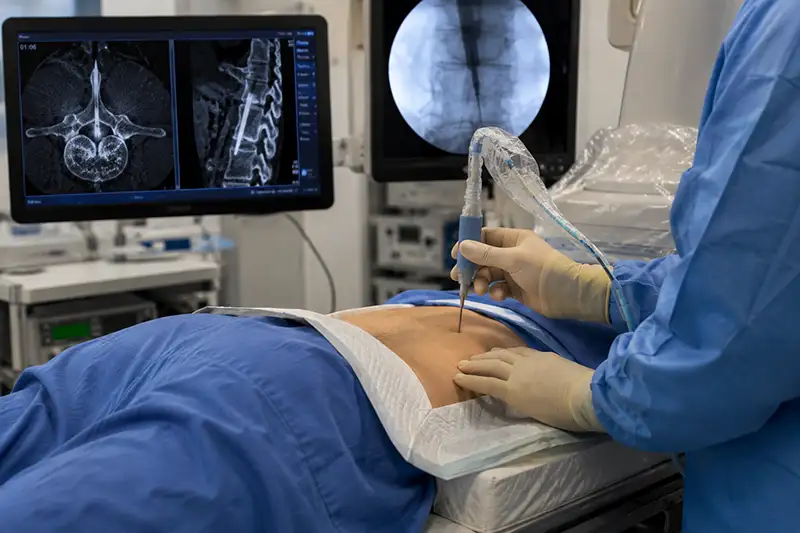
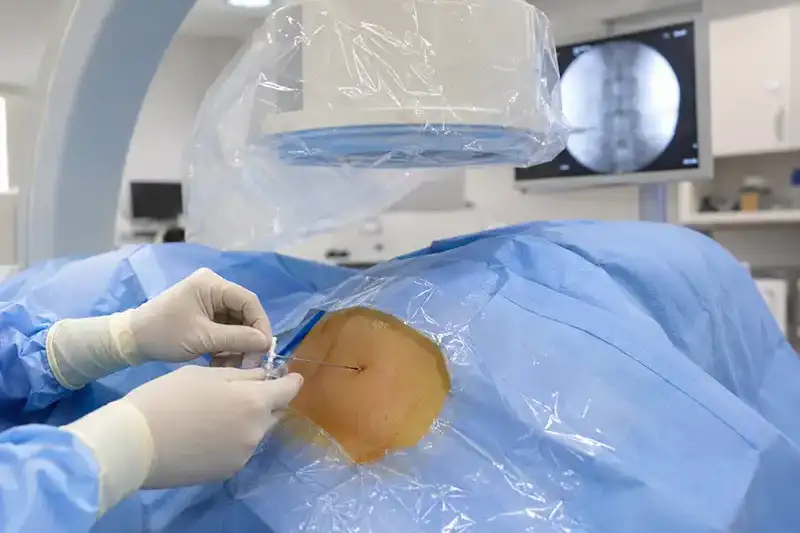
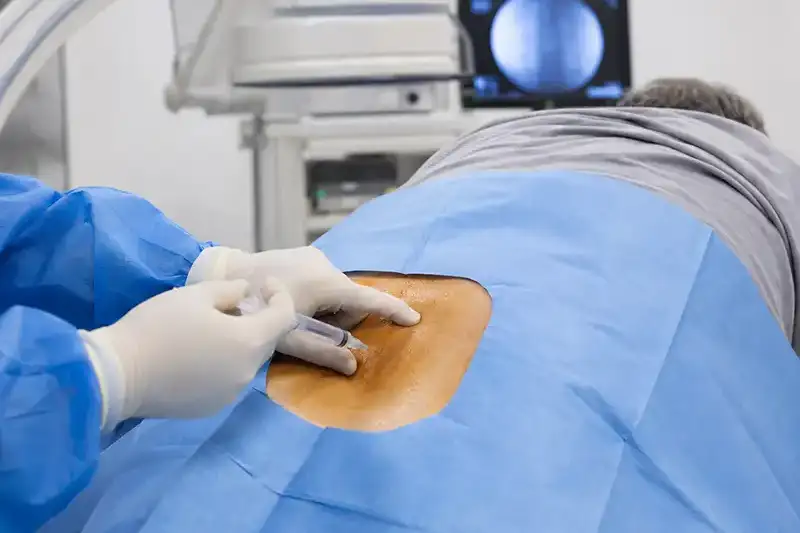
- SI Joint Injection: A steroid and local anesthetic are delivered directly into the SI joint using imaging guidance. This reduces inflammation and provides targeted pain relief. Relief typically develops over a few days and can last anywhere from several weeks to several months.
- Radiofrequency Ablation: When SI joint injections confirm the diagnosis but relief doesn’t last, radiofrequency ablation offers a longer-term solution. Rather than targeting the joint itself, the procedure uses heat energy to quiet the specific nerves responsible for carrying pain signals from the joint.
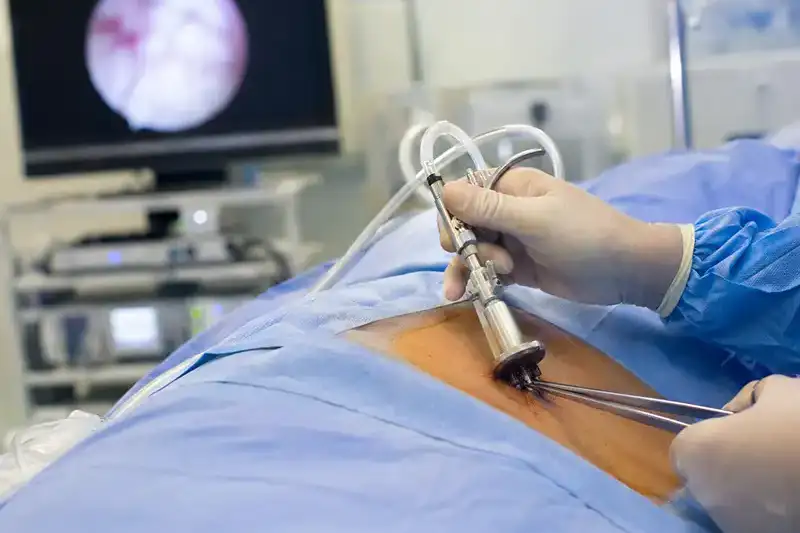
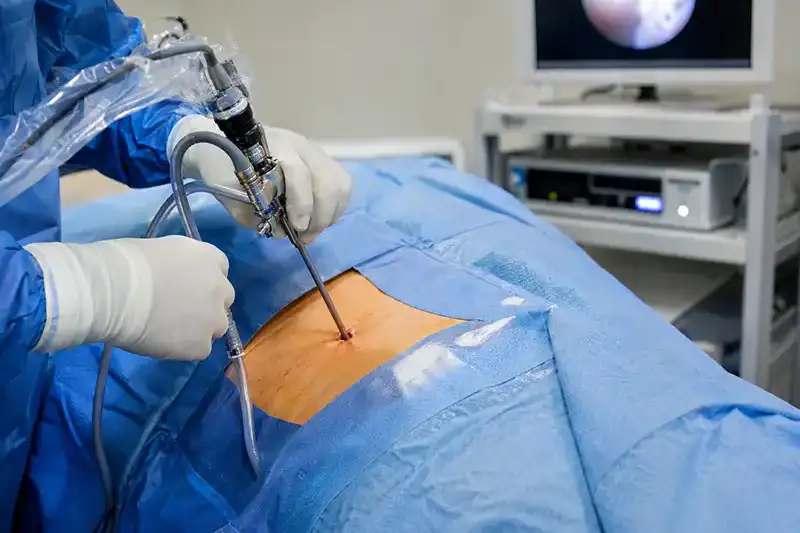
- SI Joint Arthrodesis: For those with chronic SI joint pain that has not responded to other interventional care, SI joint arthrodesis eliminates the source of pain by stabilizing and fusing the joint through a minimally invasive approach.
- Spinal Cord Stimulation: In cases where chronic nerve pain related to SI joint dysfunction persists despite other treatments, spinal cord stimulation offers a long-term management option by intercepting pain signals before they register, providing ongoing relief for patients whose symptoms have been difficult to resolve through other means.
SI joint pain is frequently misdiagnosed and undertreated, sometimes for years. At Shore Spine & Pain, Dr. Woska builds every treatment plan around your specific condition and what matters most to you.
Frequently Asked Questions about Sacroiliac Joint Pain
Can SI joint dysfunction return after treatment?
Yes, and it depends on the underlying cause. Injections and radiofrequency ablation manage pain effectively but do not address the structural factors behind it. For patients whose pain is driven by instability or progressive degeneration, symptoms can return over time. This is why Dr. Woska considers the full picture when recommending a treatment path.
Are there specific physical tests used to diagnose SI joint dysfunction?
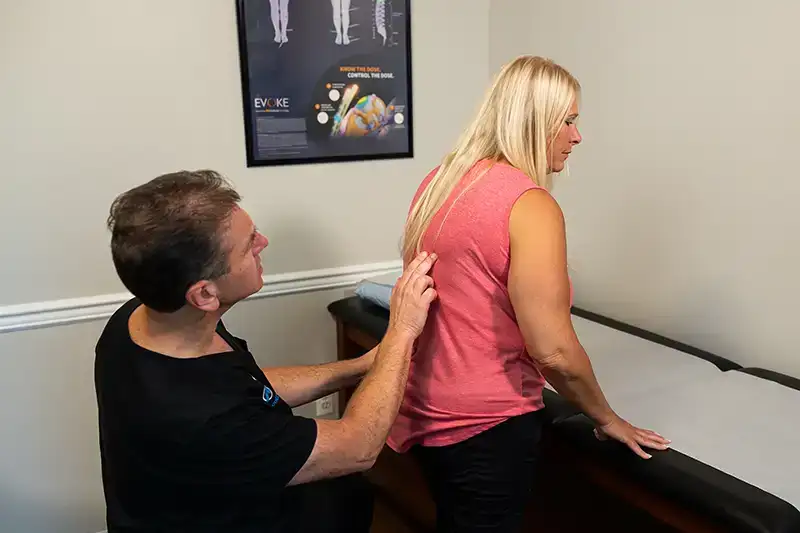
Yes. Because imaging alone cannot confirm SI joint pain, physical examination is an important part of the diagnostic process. A series of movement-based tests are used to stress the SI joint and reproduce familiar symptoms. When combined with the patient’s history and the response to a diagnostic injection, these findings form the basis of an accurate diagnosis.
Does SI joint dysfunction affect men and women differently?
Yes. Women are diagnosed more frequently, in part due to the hormonal and structural changes associated with pregnancy, as well as differences in pelvic anatomy that affect how load is distributed through the joint. Men are more commonly affected by inflammatory forms of SI joint pain.
Can sacroiliac joint pain resolve on its own?
Pain stemming from an acute injury or pregnancy-related hormonal changes may improve with time and conservative care. Chronic SI joint pain driven by arthritis, structural instability, or stress following lumbar surgery is unlikely to resolve without targeted treatment. Early evaluation generally leads to better outcomes.
Is sacroiliac joint pain the same as sciatica?
No, though they are frequently confused because the symptoms overlap. Sciatica results from nerve compression in the lumbar spine and typically produces pain, numbness, or weakness that travels below the knee and into the foot. SI joint pain can produce a similar pattern in the buttock and back of the thigh but usually stops at or above the knee. Getting the diagnosis right matters because the treatments are very different.