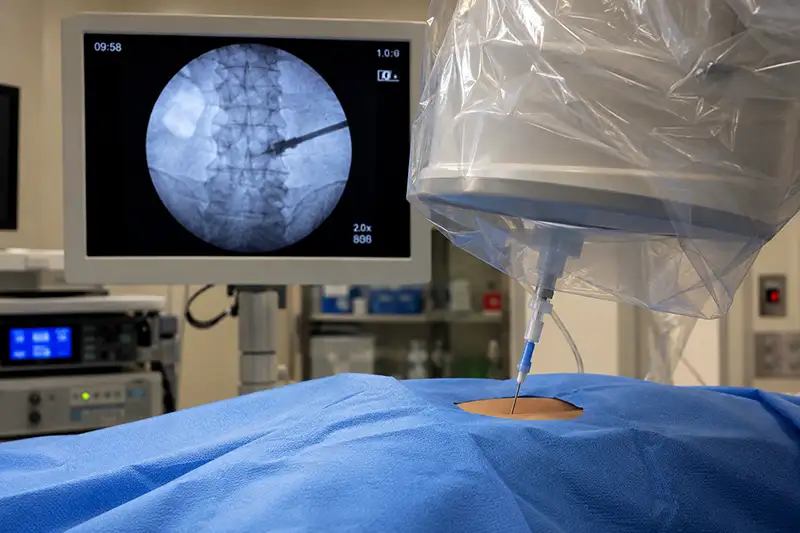
What is a Kyphoplasty/Vertebroplasty?
Kyphoplasty and vertebroplasty are closely related procedures that share a common goal: reinforcing a collapsed vertebral body with medical-grade bone cement to address a vertebral compression fracture. Neither requires an open incision, general anesthesia is not necessary in most cases, and the majority of patients go home the same day.
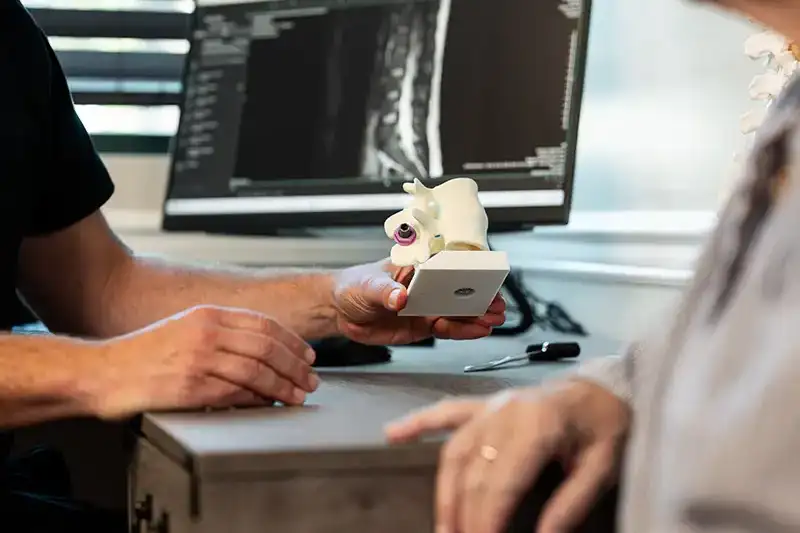
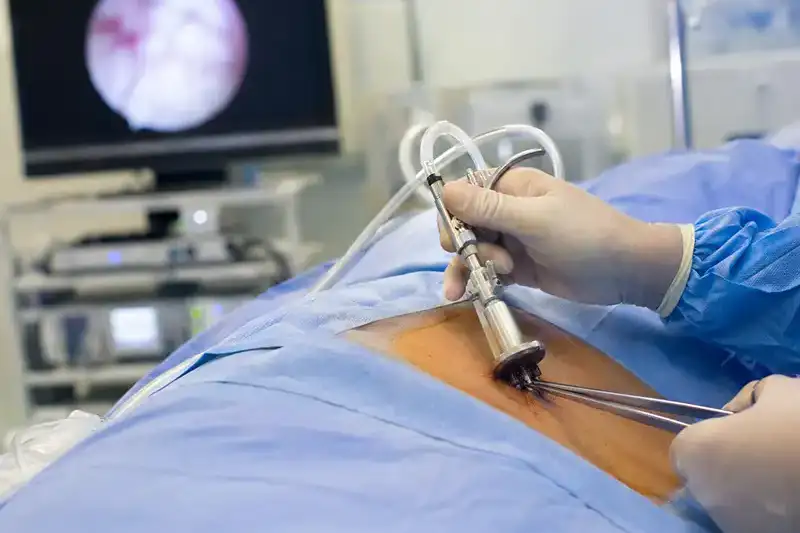
The distinction between the two lies in technique. Vertebroplasty involves the direct injection of bone cement into the fractured vertebra under controlled pressure. Kyphoplasty adds a preparatory step: a small balloon catheter is threaded into the vertebral body and carefully inflated, compacting the surrounding bone and creating an internal cavity before the cement is introduced. This allows cement to be delivered at lower pressure into a defined space, reducing the chance of the material traveling beyond the intended area. It also creates an opportunity to partially recover the height the vertebra has lost to collapse, which can reduce spinal deformity and, in some cases, improve overall alignment.
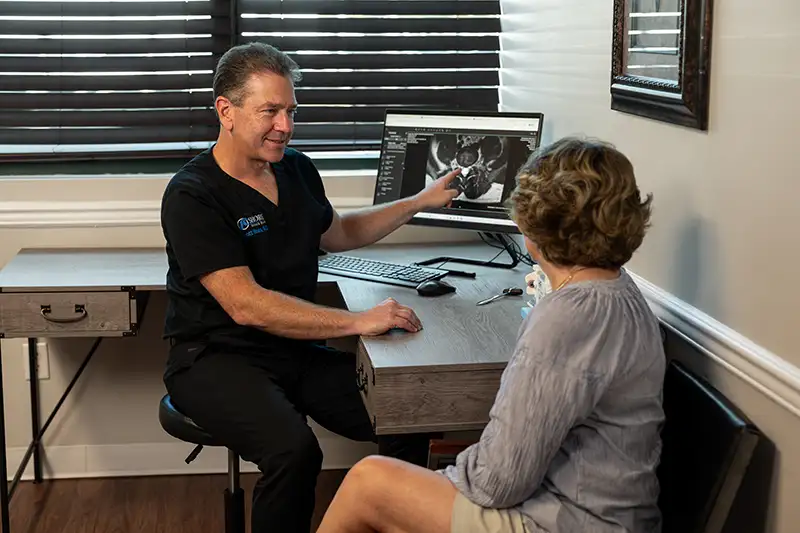
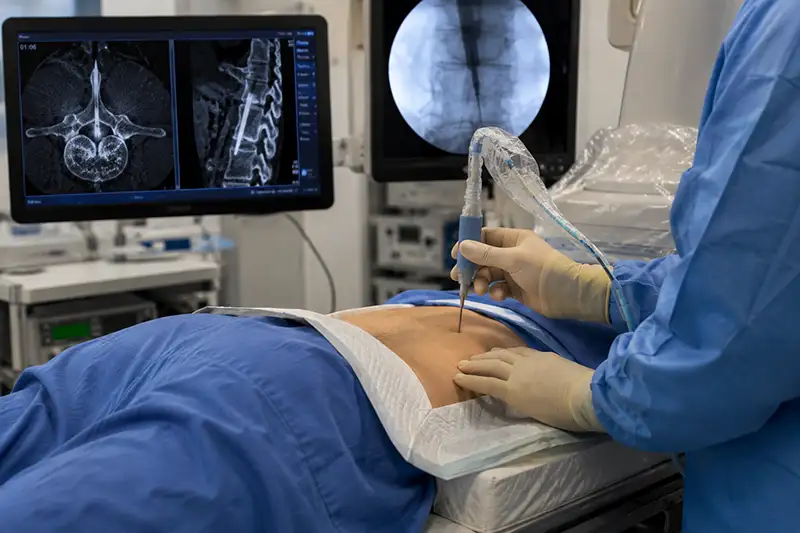
At Shore Spine, our expert team performs both procedures under fluoroscopic guidance, which provides continuous real-time X-ray imaging so Dr. Woska can confirm accurate positioning throughout. When finished, the needle is withdrawn, a small bandage covers the entry point, and no sutures are needed.
Why is a Kyphoplasty/Vertebroplasty Performed?
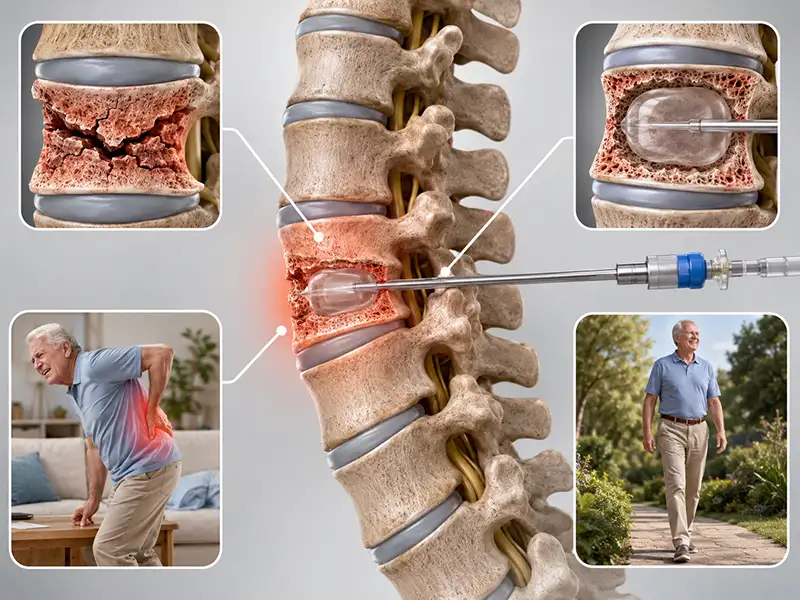
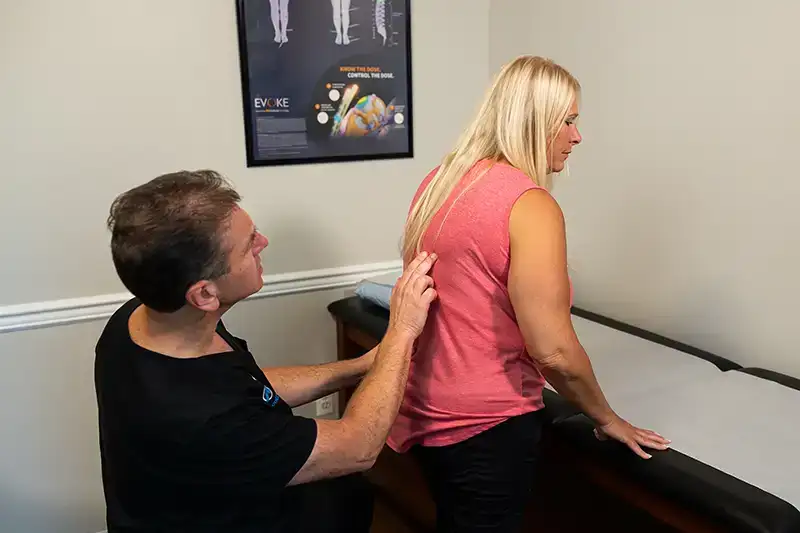
These procedures are appropriate for patients with painful vertebral compression fractures that have not responded adequately to conservative care. Compression fractures are among the most common structural spinal injuries in adults, particularly in those with osteoporosis, and the pain they produce can be significant enough to disrupt sleep, impair mobility, and substantially diminish daily function.
Kyphoplasty and vertebroplasty are most commonly performed for fractures caused by:
- Osteoporosis: As bone density declines with age, vertebrae become less capable of handling everyday load. Fractures can result from something as minor as a cough or a slight forward bend.
- Cancer affecting the spine: Metastatic disease and certain bone tumors can weaken vertebral structure until collapse occurs, generating pain and mechanical instability.
- Acute trauma: Less commonly, a significant physical impact produces the kind of vertebral collapse that warrants one of these procedures.
Good candidates typically have back pain, have not found adequate relief through rest, bracing, or medications, and have imaging showing the fracture is still active rather than fully healed.
When significant height loss or progressive deformity is present, kyphoplasty is generally preferred because the balloon step creates the opportunity for partial height recovery. When collapse is limited and straightforward reinforcement is the goal, vertebroplasty may be the simpler and equally effective option. Dr. Woska determines which approach is most appropriate based on your imaging and clinical picture at Shore Spine & Pain in Lakewood or Shrewsbury, NJ.
How is a Kyphoplasty/Vertebroplasty Performed?
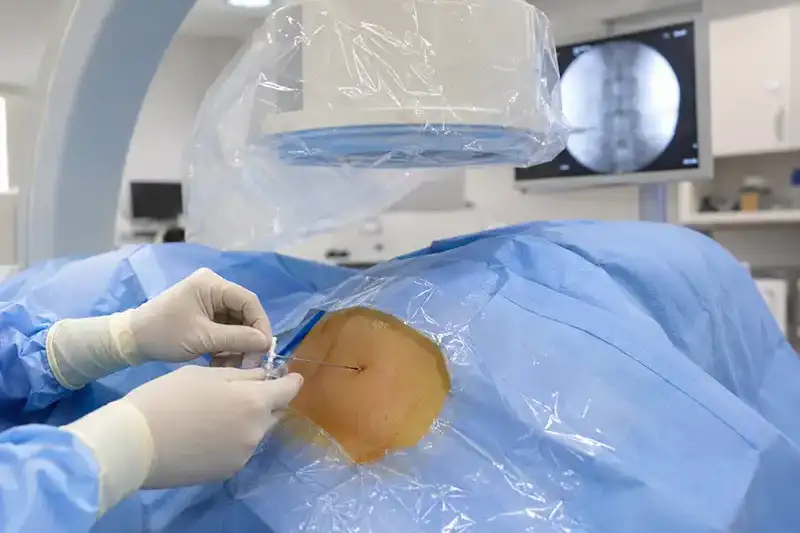
Both procedures are performed on an outpatient basis at Shore Spine & Pain by Dr. Woska. You will be positioned face-down on a procedure table, and a local anesthetic is applied before anything begins. Light sedation is provided to keep you comfortable throughout. General anesthesia is not required.
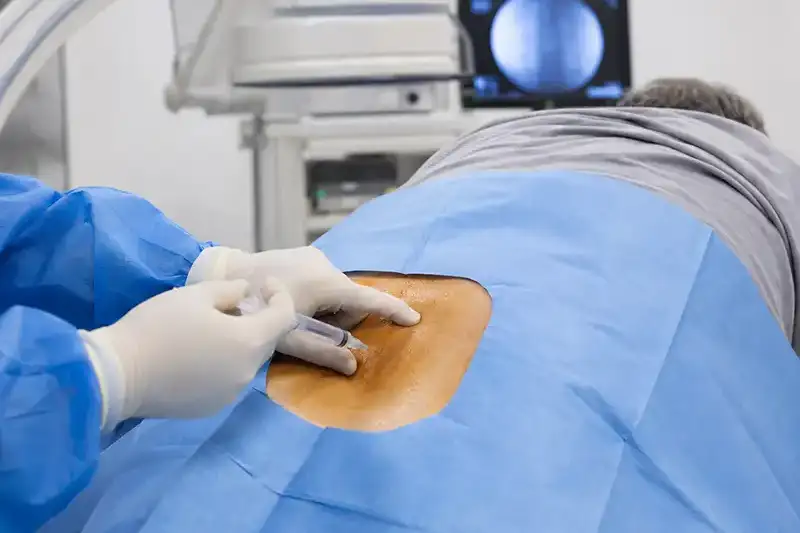
Using live fluoroscopic imaging, Dr. Woska guides a thin needle to the fractured vertebra through a small entry point in the skin. No incision is made. Once the needle is correctly positioned, the approach diverges depending on which procedure is being performed.
In vertebroplasty, bone cement is injected directly into the damaged vertebra, where it distributes through the compromised bone and hardens within minutes. Once set, it stabilizes the fracture and begins bearing load immediately.
In kyphoplasty, a small balloon is introduced through the needle first. It is carefully inflated to compact the surrounding bone and create an internal cavity, a step that also offers the opportunity to partially restore the height the vertebra lost at the time of fracture. Once the cavity is formed, the balloon is removed and bone cement is injected into the space, where it hardens and anchors the fracture from within.
A single level typically takes under an hour. When the procedure is complete, the needle is removed, the entry point is covered with a small dressing, and you move to a brief recovery period before heading home the same day.
What To Expect After a Kyphoplasty/Vertebroplasty

Following your procedure at Shore Spine & Pain, you will rest for 1 to 2 hours before heading home the same day. Light walking is generally permitted within 24 hours. Dr. Woska will give you specific guidance on activity restrictions based on how many levels were treated and the overall condition of your spine, but heavy lifting and strenuous activity are typically avoided for a period of days to several weeks.
Pain relief often begins within the first few days. Some people notice a difference within 24 to 48 hours; others experience more gradual improvement across the first week. Either pattern is normal. Once the bone cement hardens, it stays in place permanently and does not require any follow-up intervention at the treated level.
If osteoporosis contributed to the fracture, addressing bone density going forward is an important part of protecting the rest of your spine. A single compression fracture meaningfully increases the risk of additional fractures at nearby levels, which is why Dr. Woska considers the full picture when developing your care plan.
As with any procedure, there are risks to be aware of. The most common is temporary soreness at the needle entry site. The most discussed concern is cement leakage, which the balloon inflation step in kyphoplasty is specifically designed to minimize. Infection and other complications are possible but uncommon. Dr. Woska will walk you through your individual risk profile and answer any questions before your procedure is scheduled.
Frequently Asked Questions about Kyphoplasty/Vertebroplasty
How do I know if I am a candidate?
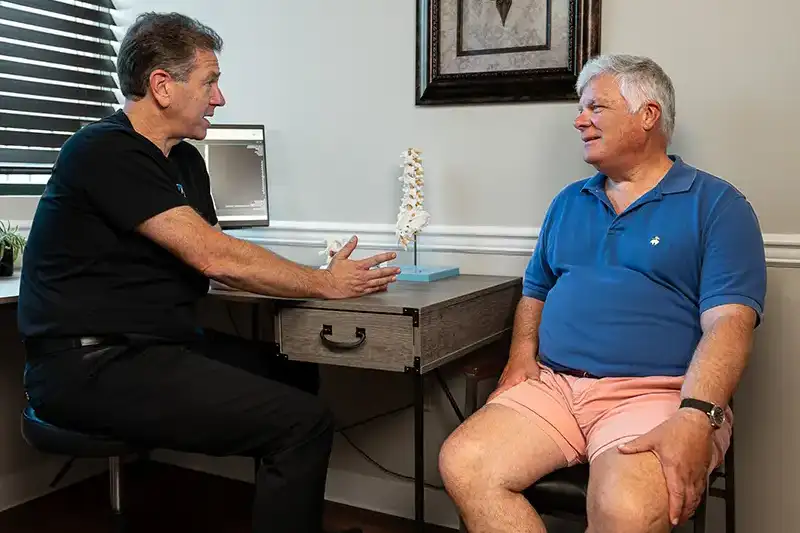
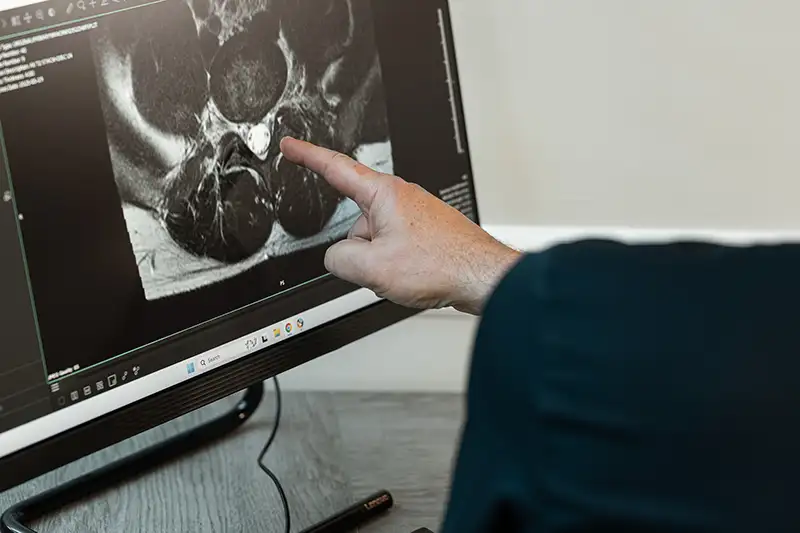
The evaluation considers several factors together: how recent the fracture is, how much vertebral height has been lost, what caused the fracture, and how you have responded to conservative care so far. MRI or bone scan is typically used to confirm the fracture is still biologically active, which matters because cement reinforcement is most appropriate for fractures that have not yet healed on their own. Patients who remain in significant pain despite a reasonable trial of rest, bracing, or medication tend to be the strongest candidates. A thorough review of your imaging and medical history by our team of experts is the only reliable way to determine whether either procedure is appropriate for your specific situation.
Which procedure is right for me, kyphoplasty or vertebroplasty?
The right choice depends on the specifics of your fracture, including how much height the vertebra has lost, how the collapse has affected your spinal alignment, and your overall bone health. Rather than walking through every technical consideration here, the most useful thing we can tell you is that Dr. Woska will review your imaging and symptoms in full at your first appointment at Shore Spine & Pain in Lakewood or Shrewsbury, NJ and recommend the approach that is the best fit for your specific situation. If you are ready to take that step, contact us today to get started.
How quickly will I feel better after a kyphoplasty or vertebroplasty?
Many people notice a meaningful reduction in fracture-related pain within the first few days following kyphoplasty or vertebroplasty. Some feel a difference as early as 24 to 48 hours after the procedure; others experience more gradual improvement over the course of the first week. Both patterns are normal and reflect differences in fracture severity, bone health, and the number of levels treated. Dr. Woska will set realistic expectations before your procedure at Shore Spine & Pain so you know what to look for during your recovery.
Will this fix my osteoporosis or prevent future fractures?
Kyphoplasty and vertebroplasty address the fracture itself, not the underlying bone density problem that caused it. Patients with osteoporosis who have sustained one compression fracture are at elevated risk for additional fractures at adjacent vertebral levels, and that risk does not disappear after the procedure. Bone health management, including appropriate medication, supplementation, and fall prevention, needs to run alongside whatever these procedures accomplish and is best coordinated with your primary care physician or a bone health specialist.
Is this considered major surgery?
No. There is no open incision, no general anesthesia in most cases, and no hospital admission for the majority of patients. Both procedures are performed through a needle under continuous imaging guidance, typically completed within an hour, and most patients go home the same day. Recovery time is measured in days rather than the weeks that typically follow open spinal surgery.