What is Spinal Stenosis?
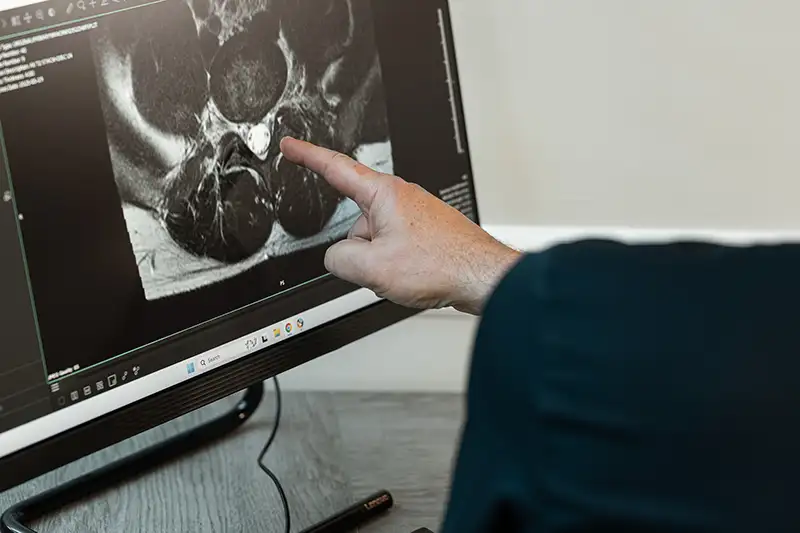
The spinal canal is the protected channel running through the center of your vertebrae that houses the spinal cord and the nerve roots branching out from it. When that channel narrows, whether gradually through degeneration or more suddenly through injury or structural change, the result is spinal stenosis. The narrowing itself is not always the problem. It becomes one when the available space is reduced to the point where nerves are compressed, generating pain, weakness, and functional limitation that can affect nearly every aspect of daily life.
Spinal stenosis is most commonly diagnosed in the lumbar (lower back) and cervical (neck) regions, where the spine carries the greatest mechanical load and performs the widest range of motion. Thoracic stenosis, affecting the mid back, is far less common but does occur. The condition can involve a single spinal level or span multiple levels simultaneously, and its impact varies widely from person to person.
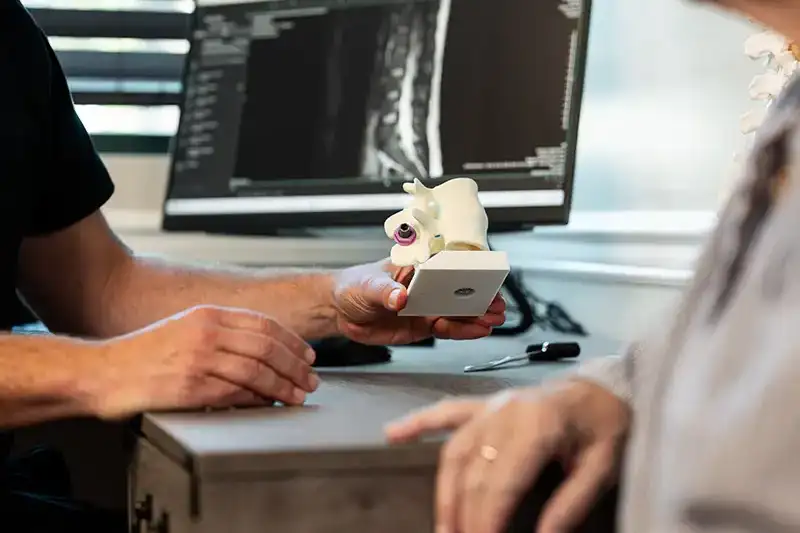
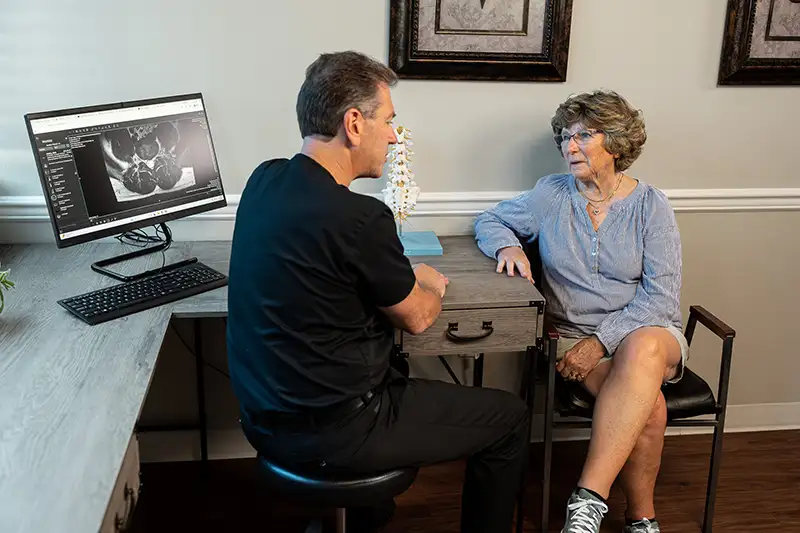
Spinal stenosis symptoms can overlap with other conditions, making expert evaluation essential. The team at Shore Spine & Pain in New Jersey will get to the root of your pain and give you the clarity you need.
What Causes Spinal Stenosis?
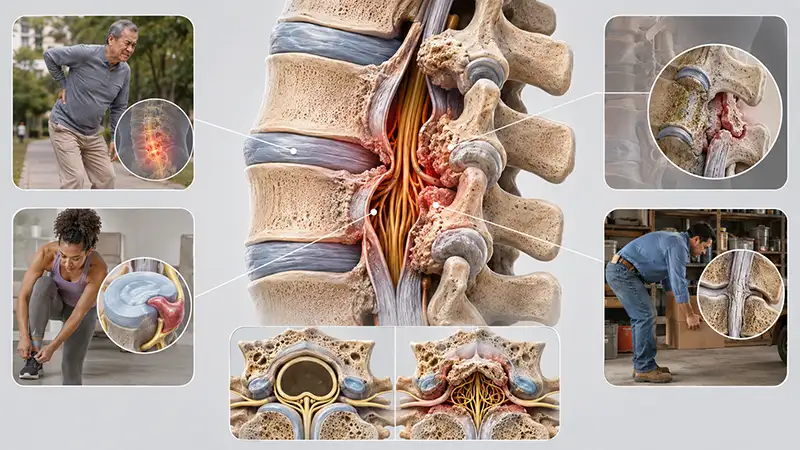
Spinal stenosis rarely has a single cause. In most cases, several structural changes are occurring at once, each contributing to a gradual reduction in the space available for the spinal cord and nerve roots. Common causes of spinal stenosis include:
- Osteoarthritis and Bone Spur Formation: As the cartilage lining the facet joints wears down, the body attempts to stabilize the affected area by producing extra bone. These bone spurs can project into the spinal canal, reducing its diameter and placing pressure on the nerves within. This is one of the most direct connections between facet joint syndrome and spinal stenosis.
- Ligamentum Flavum Thickening: The ligamentum flavum is a band of elastic tissue running along the back of the spinal canal. With age and repeated mechanical stress, it can lose elasticity and thicken, folding inward and reducing the space available for nerve tissue. Thickening of this ligament is one of the primary targets of the MILD spine procedure.
- Disc Degeneration and Herniation: As intervertebral discs lose height and structural integrity, the architecture of the surrounding spinal segment shifts. A herniated disc or bulging disc can push directly into the spinal canal, while the associated loss of disc height compresses the foraminal openings through which nerve roots exit the spine.
- Spondylolisthesis: When one vertebra slips forward over the one below it, the resulting misalignment can significantly narrow the spinal canal. Spondylolisthesis is a frequently overlooked contributor to stenosis, particularly in the lumbar spine.
- Congenital Factors: Some individuals are born with a spinal canal that is inherently narrower than average. This alone may not produce symptoms for decades, but it means the threshold at which age-related degeneration becomes symptomatic is reached sooner.
- Prior Surgery or Trauma: Scar tissue from previous spinal procedures, or structural changes following a significant injury, can contribute to canal narrowing that develops gradually in the years following the event.
- Spinal Tumors or Cysts: Less commonly, growths within or adjacent to the spinal canal can occupy space and compress neural structures, producing symptoms indistinguishable from degenerative stenosis.
Symptoms of Spinal Stenosis
The symptoms of spinal stenosis are largely determined by which nerves are being compressed, how severely, and for how long. They can develop so gradually that many people adjust their activity level without recognizing the pattern, attributing the changes to aging rather than a treatable structural problem.
Lower Back (Lumbar) Spinal Stenosis Symptoms:
- A deep aching or cramping in the lower back, buttocks, and legs that builds with walking or standing and eases when sitting or bending forward
- Leg pain, heaviness, or weakness accumulates with activity and forces rest before continuing
- Tingling or numbness radiating into the thighs, calves, or feet, which may be confused with sciatica but typically involves both legs rather than one
- Progressive leg weakness affecting the ability to walk distances, climb stairs, or maintain steady footing
- Urinary urgency or changes in bladder control in more advanced cases, which warrants prompt evaluation
Neck (Cervical) Spinal Stenosis Symptoms:
- Persistent neck stiffness or aching that extends into the shoulder blades and upper arms
- Numbness, tingling, or weakness in the hands or fingers that may affect grip strength and fine motor control
- Difficulty with tasks requiring coordination, such as typing, fastening buttons, or handling small objects
- A heavy or clumsy sensation in the legs, sometimes accompanied by balance difficulty, which may indicate spinal cord involvement
- In advanced cervical myelopathy, changes in bladder or bowel function representing a medical urgency
Sudden or rapidly worsening neurological symptoms, including loss of bladder or bowel control, should be treated as a medical emergency.
Treatments We Offer for Spinal Stenosis
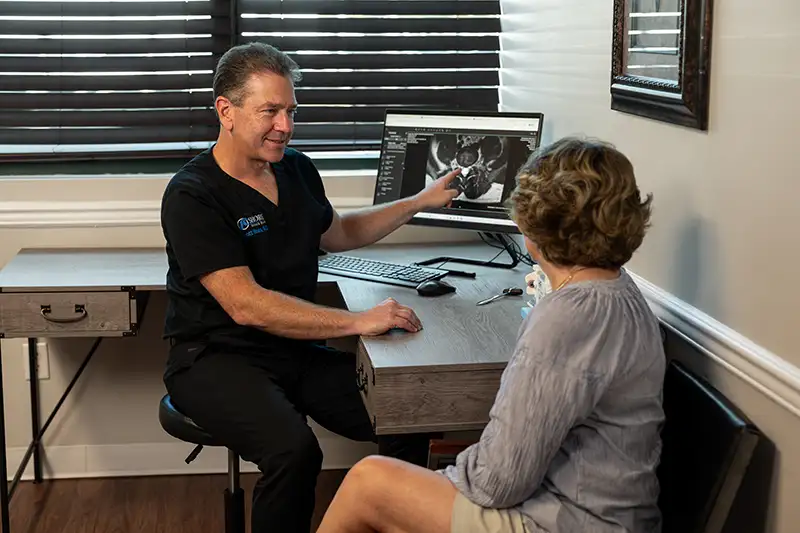
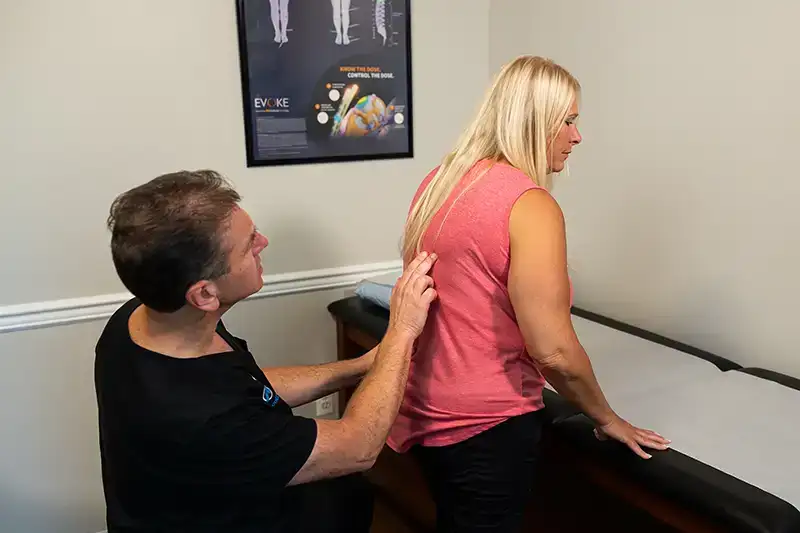
At Shore Spine & Pain in Lakewood, NJ and Shrewsbury, NJ, Dr. Woska approaches every spinal stenosis case by first establishing a precise understanding of what is causing the narrowing, at which levels, and to what degree the nerves are affected. Treatment is built from that foundation.
Interventional Pain Management:
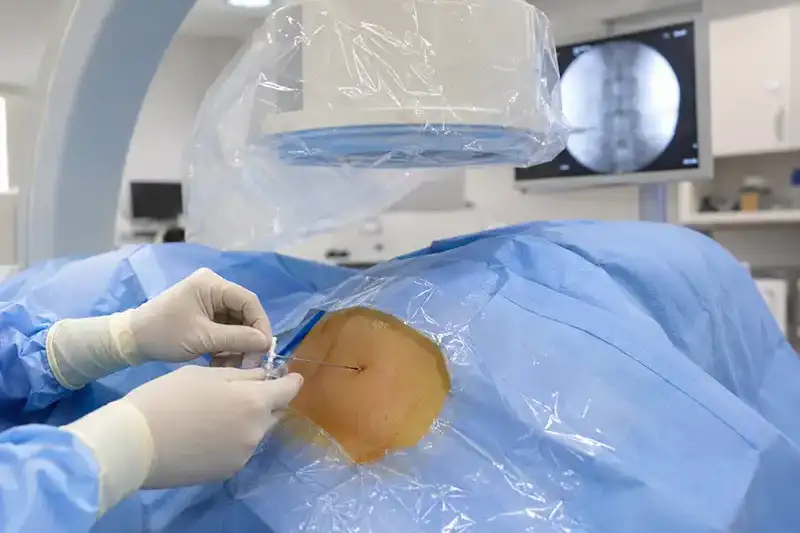
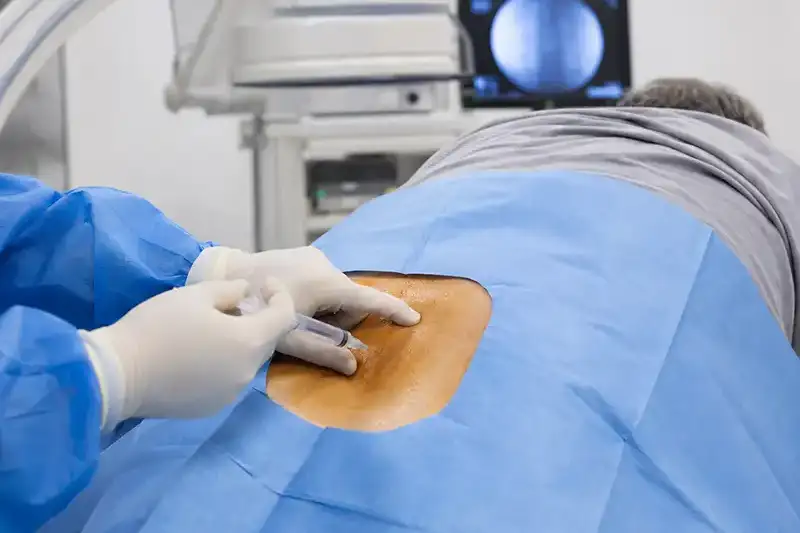
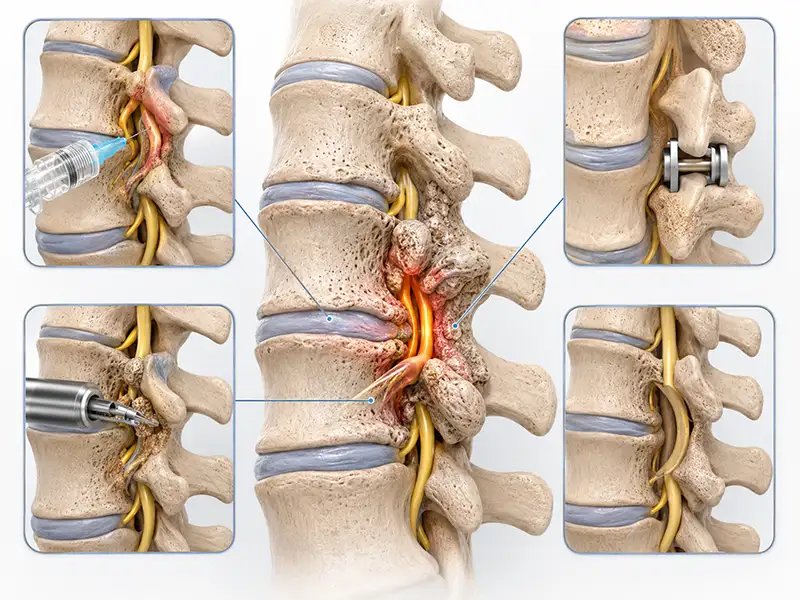
- Epidural Steroid Injections: Delivering anti-inflammatory medication directly into the epidural space surrounding the compressed nerves addresses the inflammatory component of stenosis symptoms at their source. For many people, this provides a meaningful window of relief that supports continued activity and function while longer-term treatment decisions are made.
- Facet Joint Injections: When bone spur formation and facet joint hypertrophy are contributing to canal narrowing, targeted corticosteroid injections into the affected joints reduce the inflammatory load and can clarify the degree to which the joints are driving symptoms, separate from other structural contributors.
- Radiofrequency Ablation: For confirmed facet-mediated pain, radiofrequency ablation provides a more durable solution than injection alone by disrupting the specific nerve pathways transmitting pain signals from the affected joints. Relief commonly extends from several months to well over a year and can be repeated as needed.
Minimally Invasive and Surgical Options:
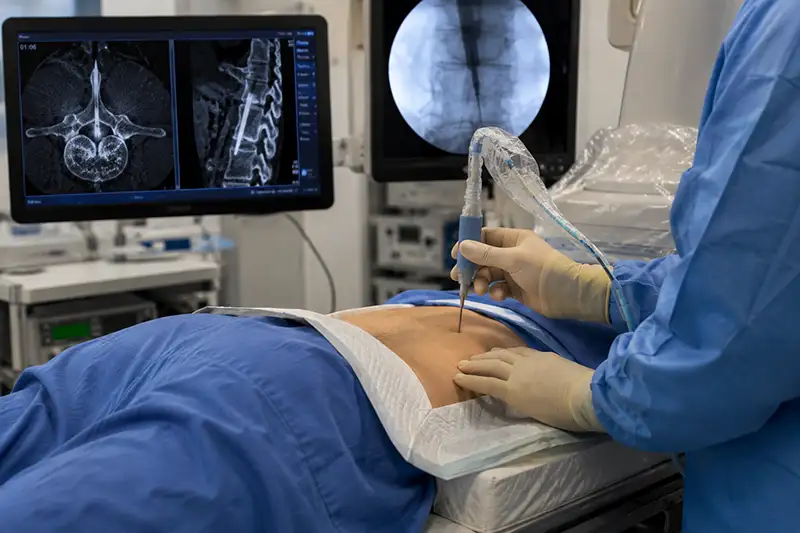
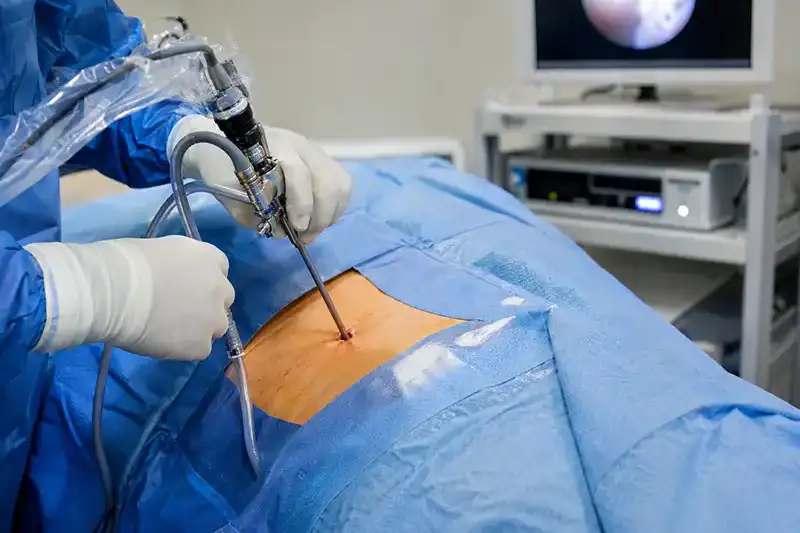
- MILD Spine Procedure: Designed specifically for lumbar spinal stenosis caused by an enlarged ligamentum flavum, the MILD procedure removes excess ligament and bone tissue through a small access point, restoring canal space without implants, general anesthesia, or hospitalization. For appropriately selected cases, it offers meaningful decompression with one of the most favorable recovery profiles available in minimally invasive spine care.
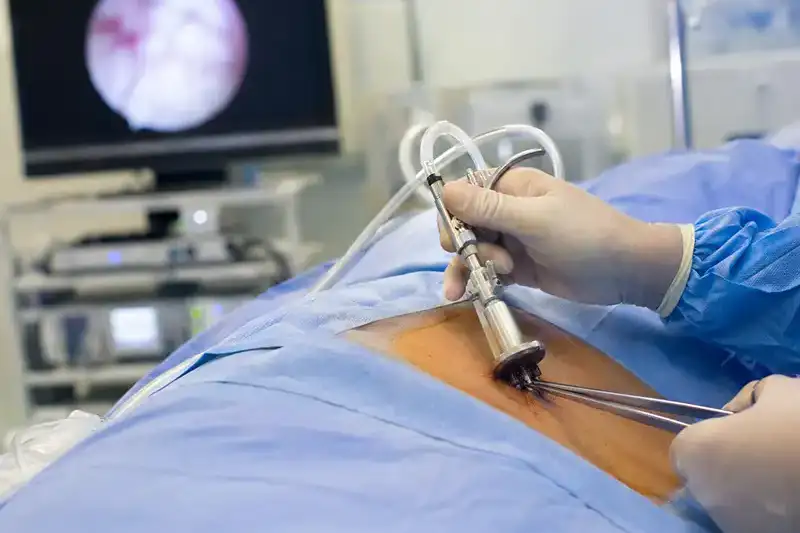
- Discectomy: When a degenerated or herniated disc is a primary contributor to canal narrowing, a minimally invasive discectomy removes the offending disc material through a small incision, directly relieving the nerve compression it is generating while minimizing disruption to surrounding structures.
- Minimally Invasive Spinal Fusion: Where spinal instability is sustaining or amplifying canal narrowing, fusion of the affected segment eliminates the abnormal motion driving ongoing nerve compression. This approach is reserved for cases where structural stabilization is a clinical necessity rather than a primary first-line intervention.
- Spinal Cord Stimulation: For chronic stenosis-related nerve pain that has not responded to decompressive or interventional treatment, spinal cord stimulation offers a long-term management option by modulating pain signals before they register centrally. It is a well-established option for those living with persistent radicular symptoms following other care.
Spinal stenosis looks different for everyone, and so does the path forward. At Shore Spine & Pain in New Jersey, Dr. Woska takes the time to understand your full picture before recommending a course of action, because the right plan is one that works for your body, your goals, and your life.
Frequently Asked Questions about Spinal Stenosis
Does spinal stenosis run in families?
Genetics can play a role. Some people are born with a naturally narrower spinal canal, a condition called congenital stenosis, which means symptoms may develop earlier in life or with less degenerative change than in someone with a wider canal. A family history of spinal problems does not guarantee the condition will develop, but it can lower the threshold at which degeneration becomes symptomatic. This is one reason a thorough evaluation is valuable even when symptoms seem mild or early.
Does body weight affect spinal stenosis?
Excess body weight can increase the compressive load placed on the spine with every step, accelerating the degenerative changes that contribute to canal narrowing. It also places greater demand on the muscles and ligaments that support spinal alignment, which can worsen the mechanical stress on already narrowed segments. Weight management is not a standalone solution, but it is a factor Dr. Woska considers as part of a comprehensive care plan at Shore Spine & Pain in Lakewood and Shrewsbury, NJ, particularly for those in the earlier stages of the condition.
How do I know if my symptoms are related to spinal stenosis?
The pattern of symptoms is often more telling than any single symptom in isolation. Pain, heaviness, or weakness in the legs that builds with walking or standing and clears when sitting or bending forward is a particularly characteristic presentation of lumbar stenosis. Neck stiffness combined with arm numbness or hand weakness points toward cervical involvement. Because these presentations overlap with conditions such as sciatica and degenerative disc disease, imaging and a specialist evaluation are essential to confirm the diagnosis and identify the specific structural contributors.
Is spinal stenosis a serious condition?
Many people live with mild stenosis and manageable symptoms for years. Others experience a more rapid progression that significantly limits their mobility and independence. The presence of neurological symptoms, including weakness, coordination difficulty, or changes in bladder and bowel function, elevates the urgency of evaluation considerably.
Can spinal stenosis be cured, or is it a lifelong condition?
The structural changes underlying spinal stenosis cannot be fully reversed, but the condition can be effectively addressed. Decompressive procedures, targeted injections, and other spinal stenosis treatments can restore meaningful function and dramatically reduce or eliminate symptoms in appropriately selected cases.