What is an Epidural Injection?
For many people, the moment pain starts radiating down the leg or arm is the moment everything changes. An epidural steroid injection delivers a corticosteroid and local anesthetic directly into the epidural space, the area just outside the membrane protecting the spinal cord, where inflamed nerve roots are often the source of that radiating pain.
The corticosteroid reduces swelling around the affected nerves. The anesthetic quiets pain signals more immediately. Used together, they can interrupt a pain cycle that oral medications alone have not been able to break. For many people living with disc-related nerve pain, spinal stenosis, or radiculopathy, an epidural steroid injection represents a meaningful step forward without surgery, general anesthesia, or extended recovery time.
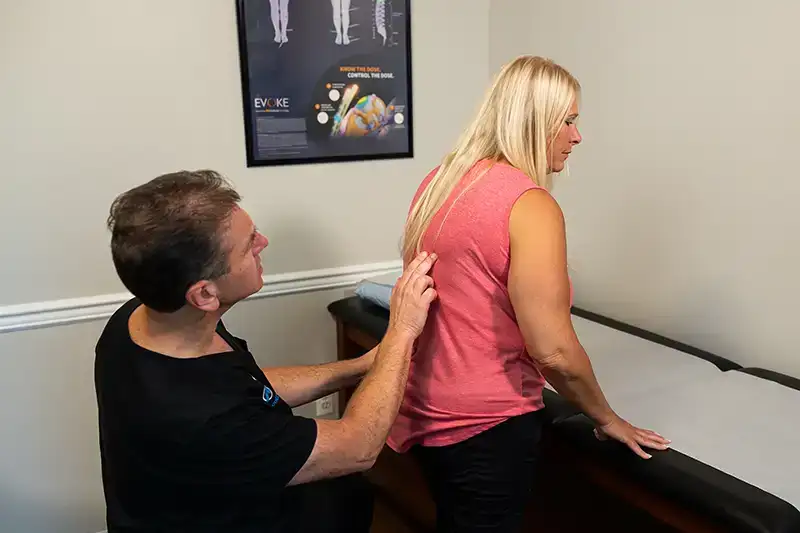
At Shore Spine & Pain in Lakewood and Shrewsbury, NJ, Dr. Woska performs epidural steroid injections as part of a broader, diagnosis-driven approach to spine and nerve pain. Every injection is preceded by a thorough evaluation to confirm that the affected nerve root has been accurately identified and that an epidural injection is the right next step for your specific condition. If you are experiencing radiating neck or back pain and want to understand whether this treatment is appropriate for you, contact us today to schedule a consultation.
Why is an Epidural Injection Performed?
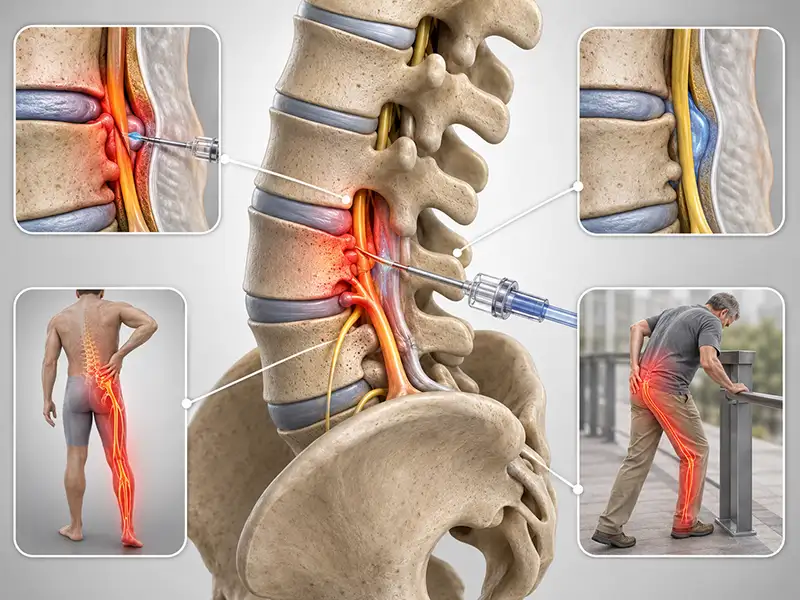
At Shore Spine & Pain, Dr. Woska recommends epidural steroid injections when nerve-related pain is persistent and has not responded adequately to conservative care. Conditions commonly treated this way include herniated disc, spinal stenosis, and radiculopathy, all of which can produce pain that travels well beyond the spine itself into the arms, legs, hands, or feet. For those living with sciatica or nerve compression from a bulging disc, an epidural steroid injection is often one of the most effective ways to achieve meaningful relief without surgical intervention.
The injection serves two purposes at Shore Spine & Pain. First, it can provide significant pain relief that restores the ability to move, sleep, and function more normally. Second, the response to the injection gives Dr. Woska valuable diagnostic information about the specific nerve root involved, which directly informs longer-term treatment decisions. For many people managing chronic nerve pain in the Lakewood and Shrewsbury, NJ area, it represents a genuine turning point in their care.
How is an Epidural Injection Performed?
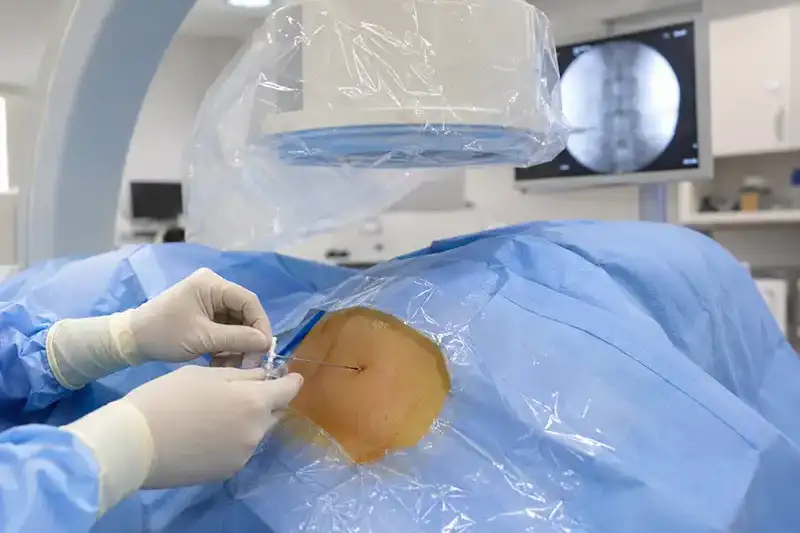
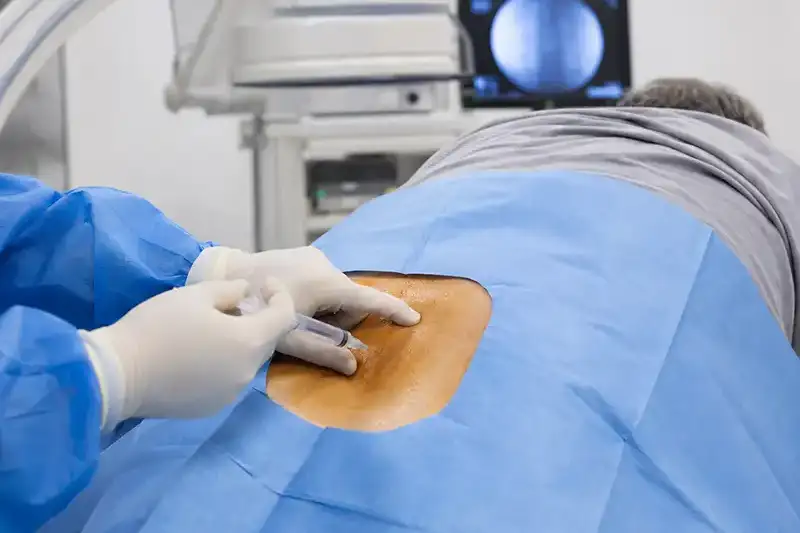
Every epidural steroid injection is performed by Dr. Woska in a comfortable clinical setting. You will be positioned on a procedure table, face down or on your side depending on the area being treated. The skin is cleaned and a local anesthetic is applied before anything else, so by the time the procedure begins, most people are surprised by how little discomfort they experience.
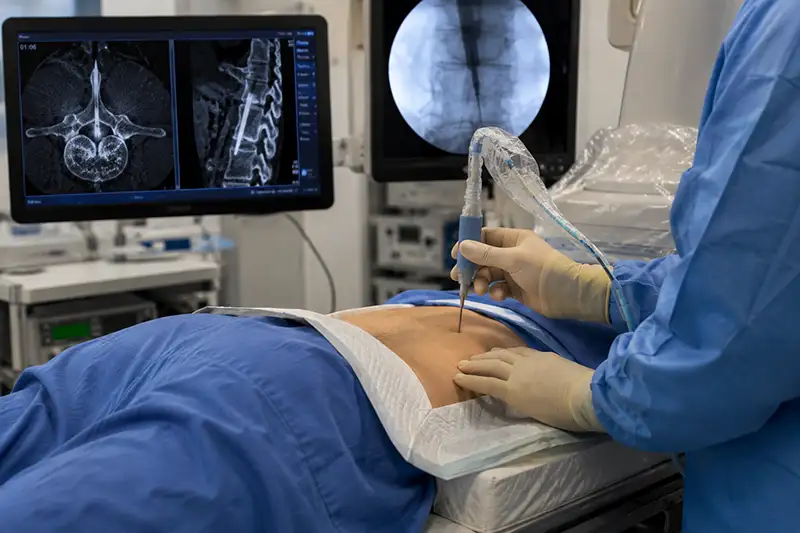
Dr. Woska uses fluoroscopy, live X-ray imaging, throughout the procedure to see your spine in real time. This is one of the most important distinctions between an image-guided injection and one performed without imaging. Rather than relying on surface landmarks alone, fluoroscopy provides a continuous, detailed view of your anatomy that allows Dr. Woska to guide the needle to the precise location where it will do the most good. Before the medication is delivered, a small amount of contrast dye is injected first. Under live imaging, that dye confirms exactly where the needle tip is positioned. If the position is correct, Dr. Woska proceeds. If any adjustment is needed, it is made before anything else is introduced into the epidural space.
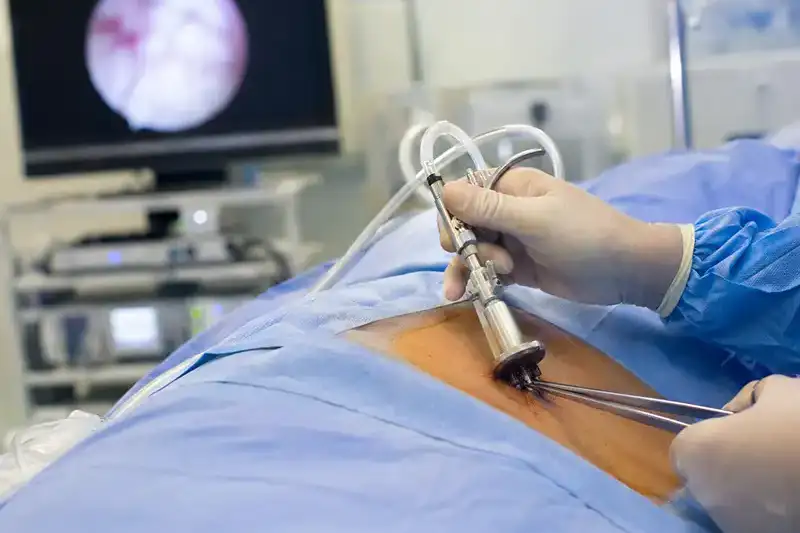
Once placement is confirmed, the corticosteroid and anesthetic solution is delivered and spreads through the epidural space, reaching the inflamed tissue surrounding the affected nerve roots. The entire procedure typically takes less than 30 minutes from start to finish, and most people are ready to leave shortly after it is complete.
What To Expect After an Epidural Injection

Most people spend 15 to 30 minutes in recovery before going home. A driver is needed since the anesthetic can cause temporary heaviness in the legs or arms. Some people notice immediate relief as the anesthetic takes effect, though that typically fades within hours as it wears off.
The steroid generally needs two to seven days to reach its full effect. How long relief lasts varies considerably. Some people experience a few weeks of meaningful improvement. Others maintain relief for several months. When the response is positive, the injection can be repeated up to every 3 months within a year as part of an ongoing pain management plan at Shore Spine & Pain in Lakewood or Shrewsbury, NJ.
The days following the procedure are a good time to track changes in your pain levels. That information helps Dr. Woska determine how well you are responding and whether any adjustments to your treatment plan are warranted. If you have questions during recovery, the team at Shore Spine & Pain is available to help.
Frequently Asked Questions about Epidural Injections
Are epidural injections painful?
Most people are surprised by how manageable the procedure is. A local anesthetic is applied before the needle is placed, and the majority describe the sensation as pressure rather than pain. The entire injection typically takes less than 30 minutes, and you are able to go home the same day.
How long will the relief last?
There is no single answer because it depends on the individual, the underlying condition, and how the body responds to the medication. Some people get several weeks of meaningful improvement. Others find relief that holds for several months. Dr. Woska will monitor your response following the procedure at Shore Spine & Pain and use that information to guide next steps, including whether a repeat injection or a different treatment approach makes the most sense.
How many injections will I need?
What are the risks of epidural injections?
Serious complications are uncommon. Temporary soreness at the injection site is the most frequently reported side effect. Headache and minor bruising can also occur. Infection is rare but possible, which is why sterile technique and proper site preparation are standard parts of every procedure performed at Shore Spine & Pain. Before moving forward, Dr. Woska will review any factors specific to your health history that may be relevant.
How do I know if this is the right treatment for me?
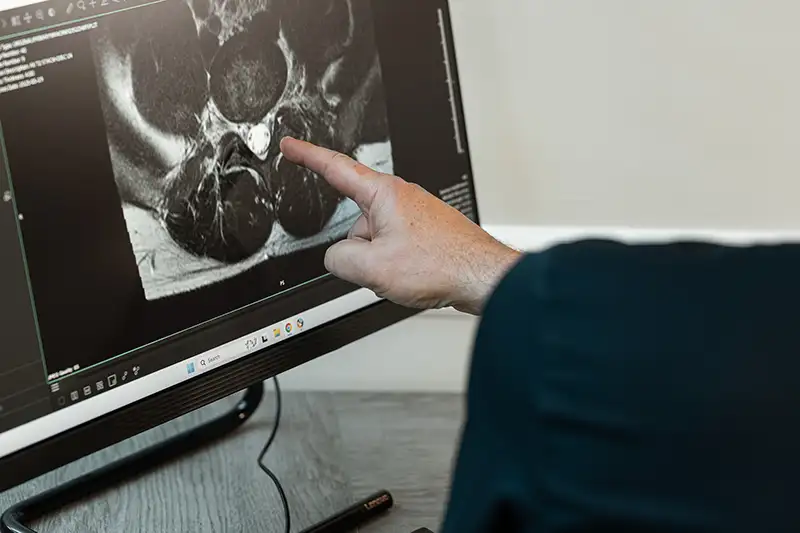
Epidural steroid injections tend to work best when pain is nerve-related and has not responded to conservative care. Conditions such as sciatica, herniated disc, degenerative disc disease, and spinal stenosis are among the most common reasons Dr. Woska recommends this approach. A thorough evaluation at Shore Spine & Pain in Lakewood or Shrewsbury, NJ, including a review of your imaging and symptom history, is the clearest way to determine whether an epidural steroid injection is the right next step for your situation.