What is a Discography?
A discography, also called a discogram, is a diagnostic procedure used to identify which specific spinal disc is responsible for chronic back pain. Its purpose is to provide a precise answer when imaging studies like MRI and CT scans have not been able to pinpoint the source.
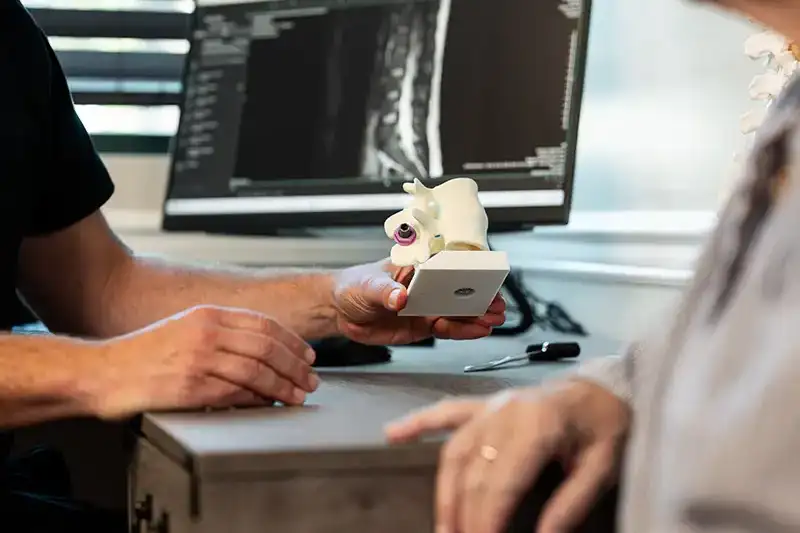
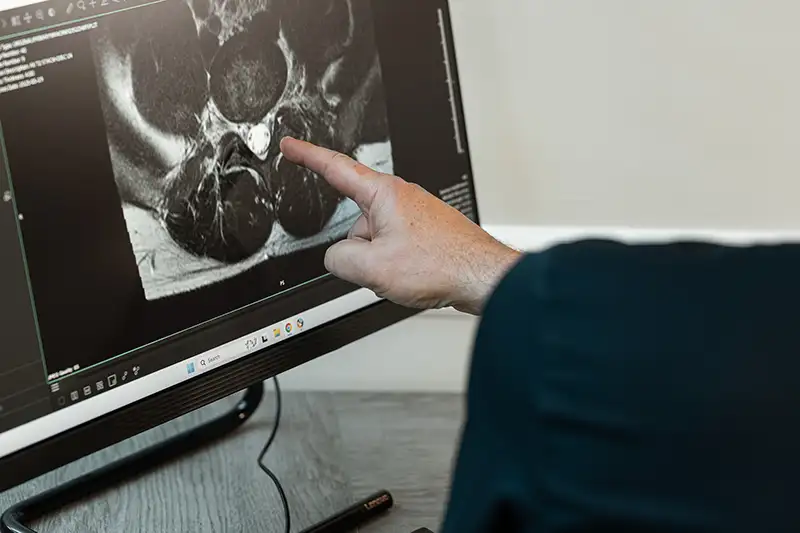
What sets discography apart is that it evaluates how a disc actually behaves under pressure, not just how it looks on a scan. An MRI can show degeneration, bulging, or other structural changes, but it cannot tell you whether a particular disc is the one causing your pain. That distinction matters more than most people realize. A disc that looks significantly damaged on imaging may not be generating any symptoms at all, while another disc that appears relatively normal may be the actual source. Discography resolves that uncertainty by testing each disc directly and recording whether your familiar pain is reproduced in the process.
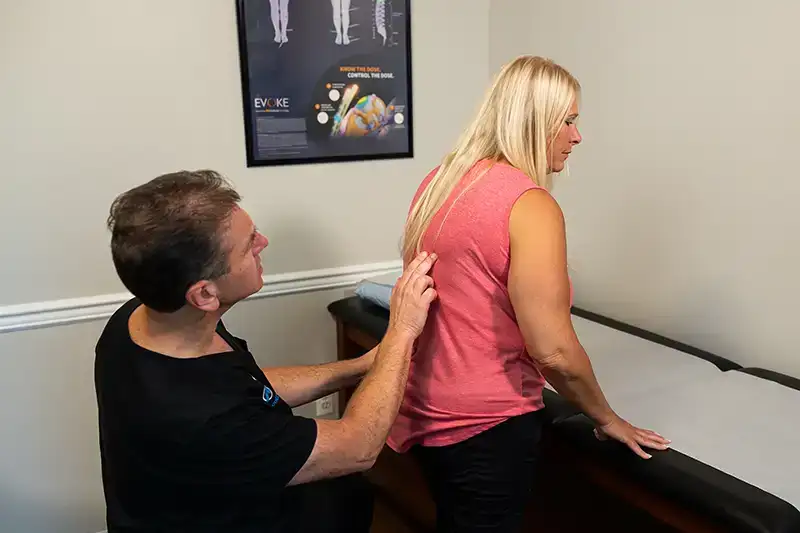
At Shore Spine & Pain in Lakewood and Shrewsbury, NJ, Dr. Woska most commonly performs discography in the lumbar spine, though it can also be applied to the cervical and thoracic spine when the clinical picture calls for it. The results are interpreted alongside your symptom history, physical examination, and prior imaging to build the most complete and accurate diagnostic picture possible before any treatment decisions are made.
Why is a Discography Performed?
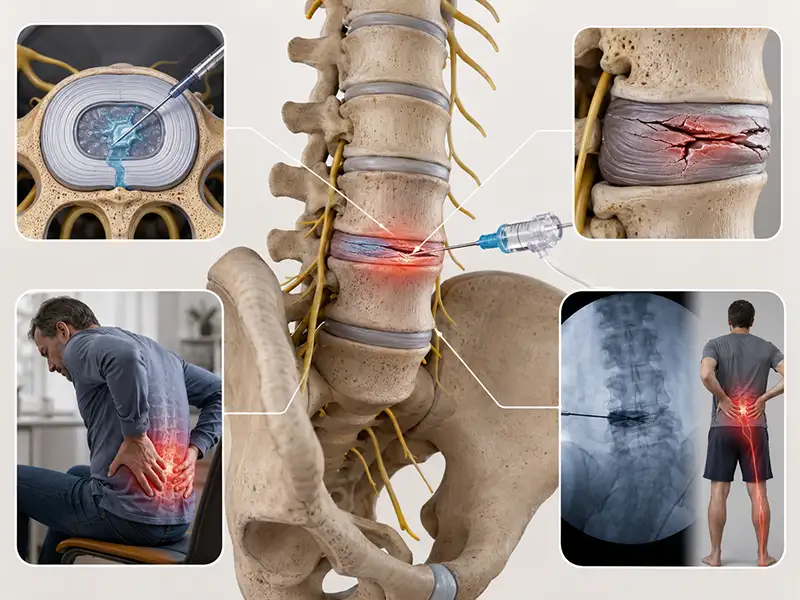
Dr. Woska recommends discography at Shore Spine & Pain when chronic back pain has not been adequately explained by imaging alone and a more precise answer is needed before moving forward with treatment. It is typically considered after conservative care has not provided meaningful relief and the source of pain remains unclear.
Discography is particularly well-suited for the following situations:
- Chronic back pain centered in the spine itself, where a disc is suspected as the source but MRI or CT imaging has not confirmed it
- Multiple disc levels that appear abnormal on imaging, making it difficult to determine which one is actually generating symptoms
- Degenerative disc disease or discogenic pain that has not responded to treatment and requires a definitive diagnosis before the next step can be determined
- Evaluation before a planned minimally invasive spinal fusion, to confirm that the disc levels being fused are the true pain sources and that adjacent levels are not also involved
- Persistent back pain following prior spinal surgery, including failed back surgery syndrome, where the source of ongoing symptoms needs to be identified before further intervention is considered
Proceeding with surgery without knowing which disc level is responsible can result in pain that continues or worsens after the procedure. Discography at Shore Spine & Pain in Lakewood and Shrewsbury, NJ helps ensure that any surgical or interventional decision Dr. Woska makes is directed at the right target from the start.
How is a Discography Performed?
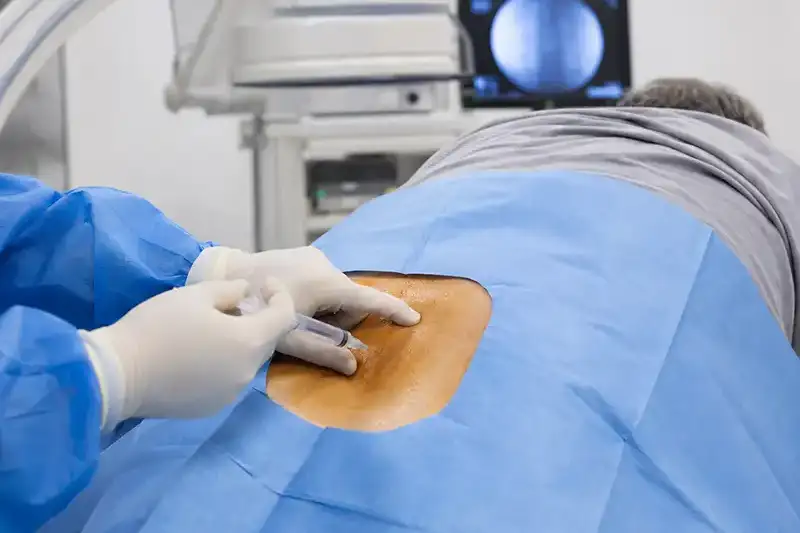
Discography at Shore Spine & Pain is performed on an outpatient basis by Dr. Woska. You will be positioned face-down on a procedure table and given a mild sedative to reduce anxiety and keep you comfortable. You remain awake throughout, which is an important part of how the procedure works. Dr. Woska needs to know how each disc responds in real time, and that feedback can only come from you.
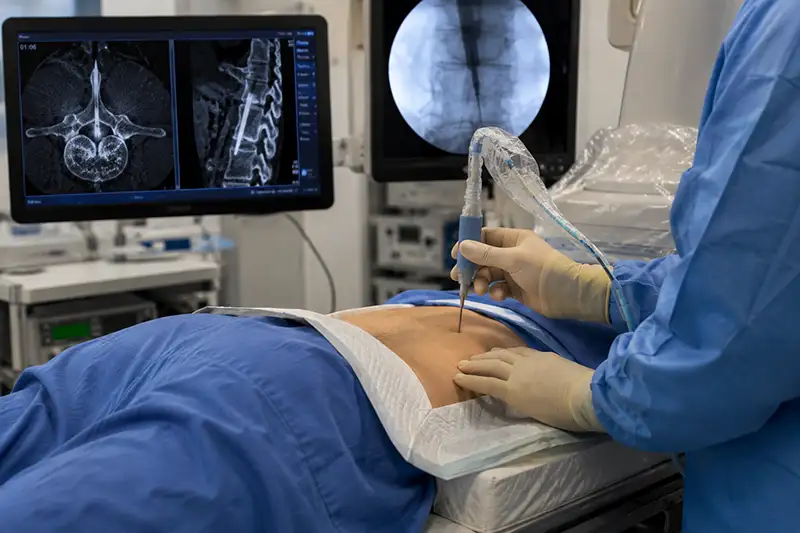
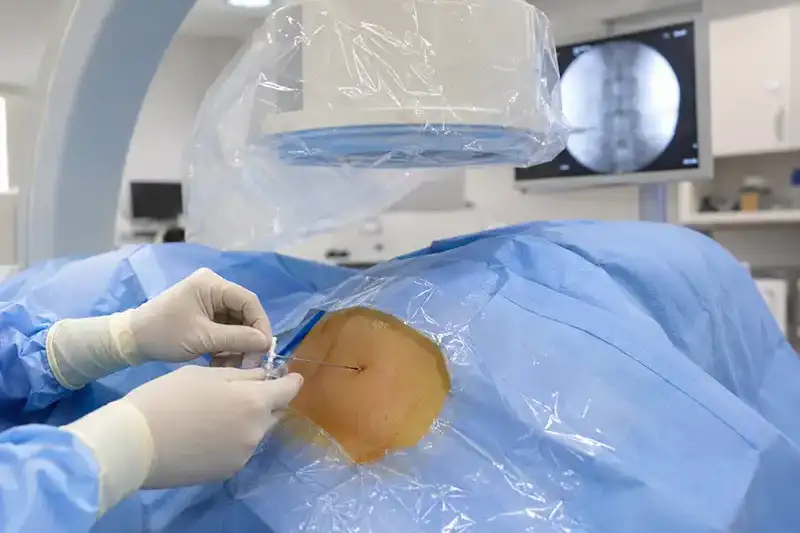
The skin over the treatment area is cleaned and a local anesthetic is applied before needle placement begins. Using live fluoroscopic imaging, Dr. Woska guides a thin needle into the center of each disc being evaluated. Typically 2 to 4 levels are tested in a single session.
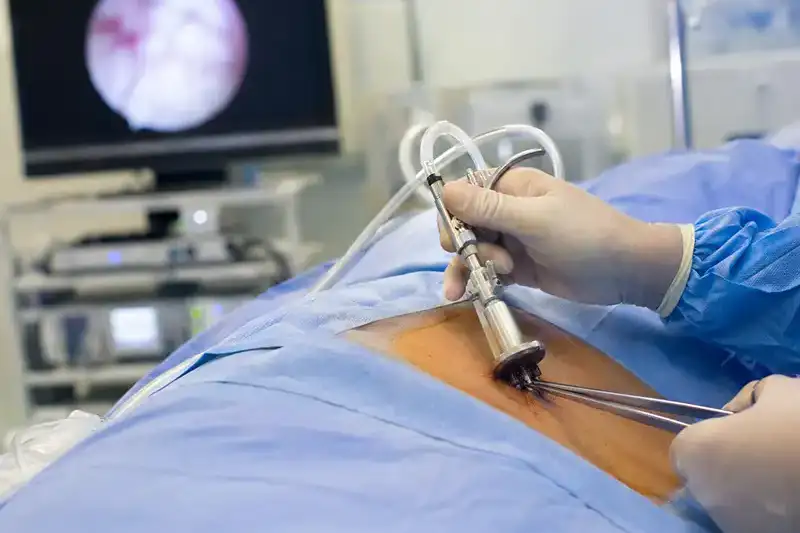
Once each needle is in position, a small amount of contrast dye is injected into the disc one at a time. That injection briefly increases the pressure inside the disc. After each one, you will be asked whether the sensation it produces matches your familiar pain. If it does, that is a meaningful diagnostic signal pointing to that disc as the source. If the sensation feels unfamiliar or different, that disc is less likely to be responsible.
When the injections are complete, a CT scan is performed while the contrast dye is still visible. This allows Dr. Woska to examine the internal structure of each disc in detail, information that standard imaging cannot provide on its own. The combination of your pain responses and the CT findings produces a complete diagnostic picture that directly informs your treatment plan at Shore Spine & Pain.
What To Expect After a Discography

Mild soreness at the injection site and a temporary increase in back pain are common in the day or two following the procedure. Most people rest for the remainder of the procedure day and resume light activity the following day, avoiding strenuous exertion for several days. You will need to arrange for someone to drive you home, as sedation affects the ability to operate a vehicle safely for the remainder of the day.
Anti-inflammatory medications or short-term pain relievers may be recommended to manage post-procedure discomfort. Post-procedure soreness typically resolves within 2 to 3 days. If your pain worsens progressively rather than improving, or if you develop fever, rapidly intensifying back pain, or new neurological changes such as leg weakness or changes in bladder or bowel control, contact our team at Shore Spine & Pain in Lakewood or Shrewsbury, NJ promptly. We are available to evaluate any concerns that arise during your recovery and will ensure you receive the attention you need.
Results are reviewed at a dedicated follow-up appointment, where Dr. Woska will discuss the findings from each disc level tested and outline the most appropriate path forward based on what the procedure revealed.
Frequently Asked Questions about Discography
What makes discography different from an MRI?
An MRI shows what a disc looks like. Discography reveals whether a disc actually hurts. Those are different questions, and imaging alone cannot answer the second one. Many people have structural abnormalities at multiple spinal levels, making it impossible to determine from a scan which level is responsible for their pain. Discography resolves that by testing each disc individually and recording whether your familiar pain is reproduced. When the source of pain is genuinely uncertain, that functional information is often what the treatment plan depends on. If you are in that situation and are based in the Lakewood or Shrewsbury, NJ area, Shore Spine & Pain can help determine whether discography is the right next step.
Is a discography painful?
Reproducing pain is the point of the test, so injections into a damaged disc can provoke real discomfort. A local anesthetic is applied before needle placement, and intravenous sedation is given to reduce overall anxiety and discomfort during the procedure. The pain that occurs during pressurization is typically brief and subsides once the pressure is released. Most people find it tolerable, especially knowing beforehand that a strong response is diagnostically meaningful rather than a problem.
What are the risks of discography, and how does Shore Spine & Pain minimize them?
The most serious potential complication is discitis, an infection of the disc space. Because spinal discs have limited blood supply, they are more vulnerable to infection than other tissues. At Shore Spine & Pain, Dr. Woska administers prophylactic antibiotics before the procedure as a standard precaution, which significantly reduces this risk. Discitis is uncommon when proper precautions are followed. Other risks include temporary worsening of back pain, nerve irritation, and headache. All of these are reviewed in full during your pre-procedure consultation at Shore Spine & Pain before any commitment is made.
How long does the discography appointment take, and when can I return to normal activity?
The injection portion of the procedure takes approximately 30 to 60 minutes depending on how many disc levels are being tested. You should plan for a total visit of roughly 2 to 3 hours once preparation and the post-procedure CT scan are factored in. Recovery is generally brief. Most people experience increased soreness for a day or two following discography, rest through the remainder of the procedure day, and return to light activity the following day. Soreness typically resolves within two to three days.
What happens after Dr. Woska reviews my discography results?
Dr. Woska reviews the findings from each disc level tested at a dedicated follow-up appointment at Shore Spine & Pain and discusses what those results mean in the context of your full clinical picture. If a specific disc is confirmed as the primary pain source, the conversation shifts to the most appropriate treatment options for your situation, which may include targeted interventional procedures such as basivertebral nerve ablation or minimally invasive spinal fusion. If results are negative or inconclusive, that finding is equally useful. It rules out a suspected level and helps focus the diagnostic and treatment conversation in a more productive direction.