What is Sciatica?
Sciatica is one of the most common and misunderstood forms of lower back and leg pain. It is not a diagnosis in itself but rather a symptom of an underlying condition that is irritating or compressing the sciatic nerve. As the longest and widest nerve in the human body, this nerve originates from several nerve roots in the lumbar (lower) spine, merges into a single nerve that runs through the buttock, and travels down the back of the leg all the way to the foot.
When the sciatic nerve is irritated or compressed, it produces radiating pain, often described as shooting, burning, or electric, that travels along its path. While the pain is felt in the leg, the root cause almost always originates in the lumbar spine. Sciatica typically affects only one side of the body at a time, though bilateral cases do occur.
At Shore Spine & Pain, our goal is to accurately identify the source of your sciatic nerve pain and restore your function.
What Causes Sciatica?
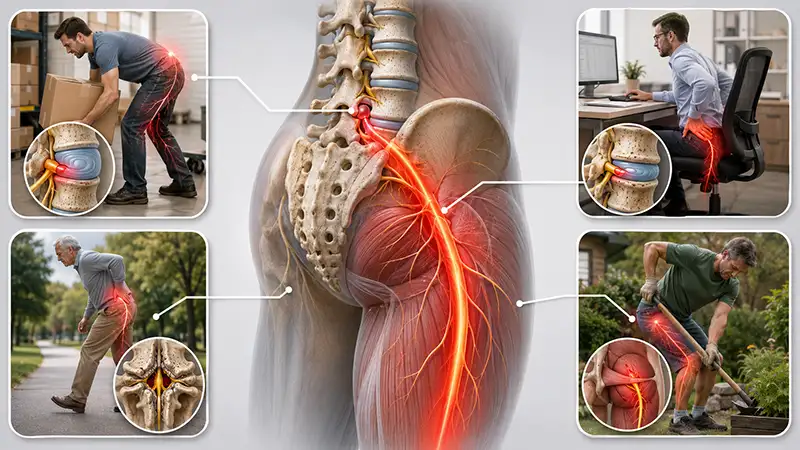
Sciatica occurs when one or more of the nerve roots that form the sciatic nerve become compressed or irritated. The most common cause is a lumbar herniated or lumbar bulging disc which trigger sciatic symptoms.
Other common causes of sciatic nerve pain include:
- Lumbar Spinal Stenosis: A narrowing of the spinal canal that puts pressure on the nerve roots passing through it, often associated with aging and degenerative changes in the spine.
- Degenerative Disc Disease: Age-related wear and tear on the spinal discs that can cause inflammation or instability, irritating nearby nerves.
- Spondylolisthesis: A condition in which one vertebra slips forward over the one below it, potentially pinching the nerve root.
- Piriformis Syndrome: The piriformis muscle, located deep in the buttock, can occasionally tighten or spasm and compress the sciatic nerve, mimicking true lumbar radiculopathy.
- Bone Spurs (Osteophytes): Abnormal bony growths that develop along the edges of vertebrae in response to joint degeneration, narrowing the space available for nerve roots.
- Trauma or Injury: A fall, car accident, or direct impact to the lower back or buttock area can inflame or damage the sciatic nerve.
- Tumors or Cysts: If present, a growth near the lumbar spine or sciatic nerve can cause compression, requiring specialized evaluation.
- Prolonged Sitting or Poor Posture: While not a direct structural cause, sedentary habits and poor ergonomics can aggravate underlying conditions that lead to sciatica.
You should not have to guess what is causing your pain. Shore Spine & Pain in Lakewood and Shrewsbury, New Jersey will give you the clarity you need to move forward.
Symptoms of Sciatica
The hallmark symptom of sciatica is pain that radiates from the lower back or buttock down one leg, sometimes extending through the calf and into the foot. This pain can take many forms. Some patients describe it as a constant dull ache, while others experience sharp, jolting sensations similar to an electric shock. The severity and character of sciatica symptoms can vary widely. Common symptoms of sciatica include:
- Radiating leg pain: Pain that travels from the lower back or buttock along the back of the thigh, into the calf, and sometimes the foot.
- Burning or shooting sensations: Often described as a hot, electric, or stabbing feeling that travels down the leg with sudden movements.
- Numbness and tingling: Loss of sensation or a pins-and-needles feeling in the leg, foot, or toes, depending on which nerve root is affected.
- Muscle weakness: Difficulty lifting the foot (foot drop), weakness in the calf, or a feeling of heaviness or instability in the affected leg.
- Worsening with certain positions: Symptoms are often aggravated by prolonged sitting, bending forward, coughing, sneezing, or straining, and may ease with standing or walking.
- One-sided symptoms: Sciatica typically affects one leg at a time; symptoms in both legs simultaneously may indicate a more serious spinal condition.
- Lower back pain: While leg symptoms are more prominent, many patients also experience accompanying low back pain or stiffness.
Symptoms may begin suddenly following an injury or develop gradually over time. In many cases they fluctuate, improving with activity and worsening with rest, or vice versa.
Treatments We Offer for Sciatica
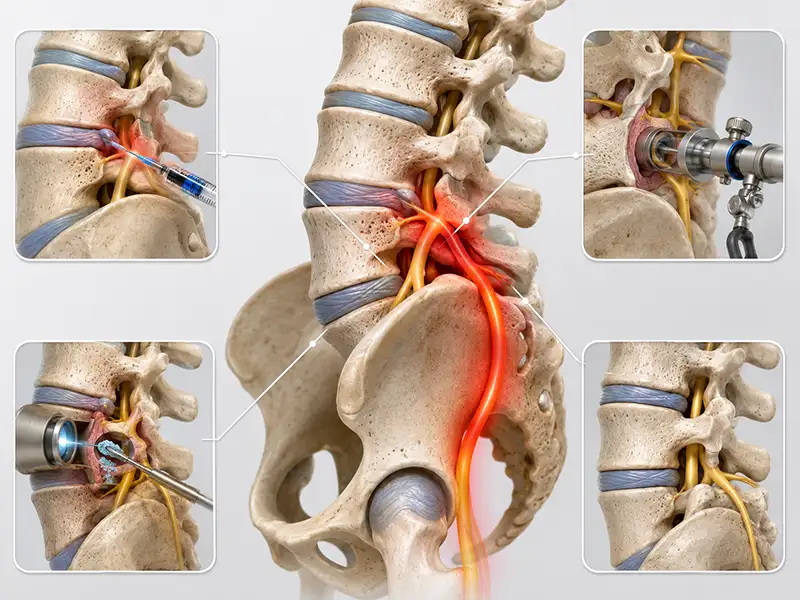
Resolving sciatica requires more than managing the pain it produces. It requires identifying the structural source generating it. Common treatments for sciatica include:
Interventional Pain Management:
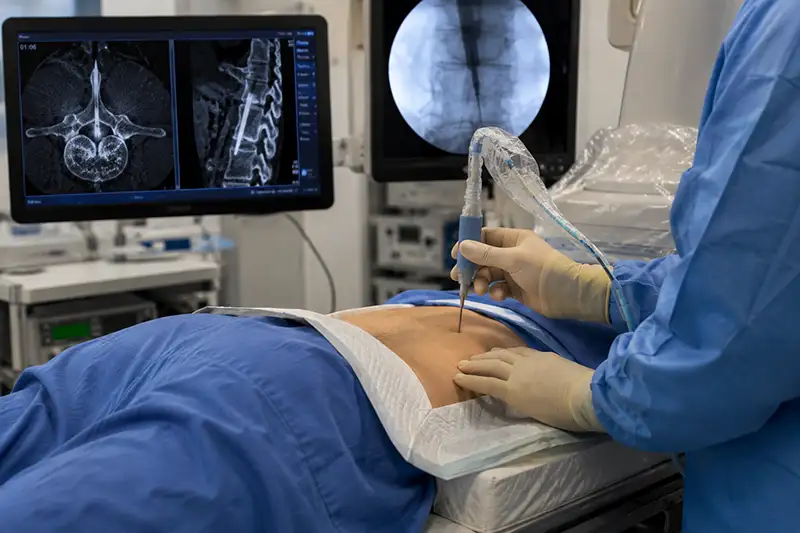
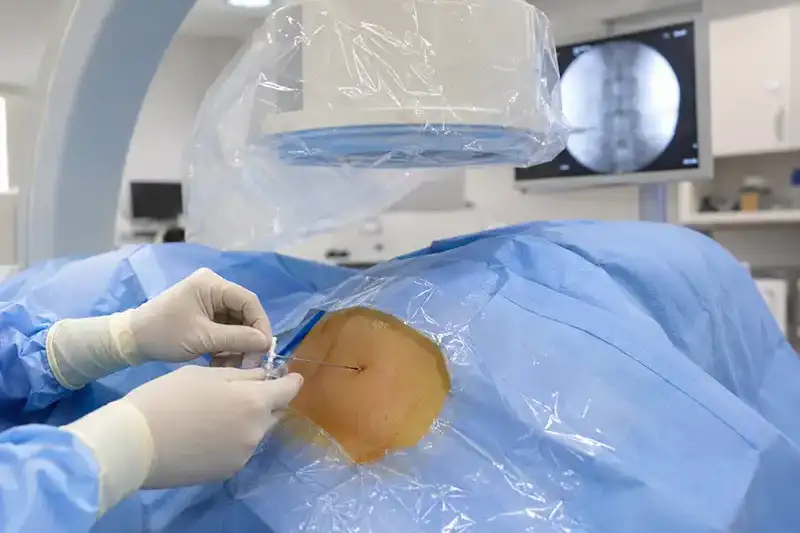
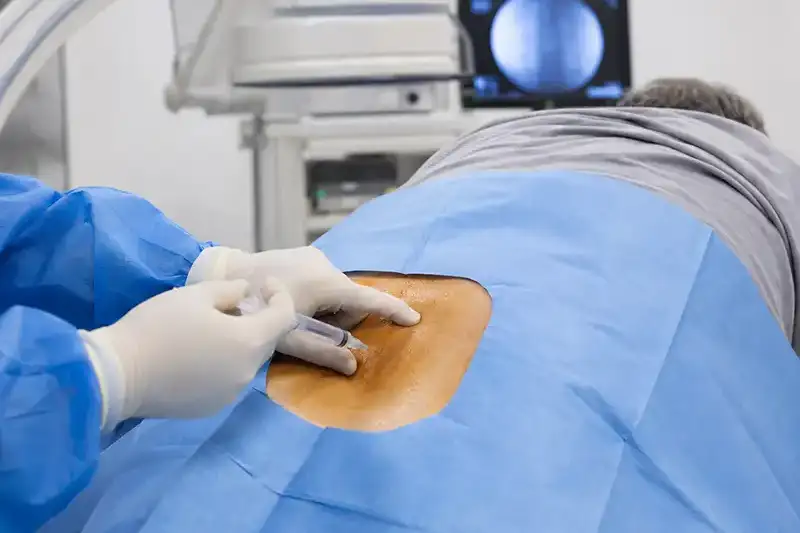
- Epidural Steroid Injections: A corticosteroid delivered directly into the epidural space surrounding the irritated nerve root reduces inflammation and provides targeted relief. This is one of the most effective and commonly used treatments for sciatica, with relief ranging from several weeks to several months.
- Facet Joint Injections: When facet joint involvement is contributing to sciatic symptoms, targeted injections address both the inflammation and its source simultaneously, while providing diagnostic clarity about the degree to which the facet joints are driving the overall pain picture.
- Radiofrequency Ablation: Where facet joint involvement is confirmed, radiofrequency ablation disrupts the specific nerve pathways transmitting pain signals from the affected joints, offering relief that extends considerably beyond what injection therapy alone can provide.
- Discography: When a specific disc is suspected as the primary driver of sciatic nerve irritation and imaging alone has not provided definitive confirmation, discography precisely identifies the pain-generating disc before further treatment decisions are made.
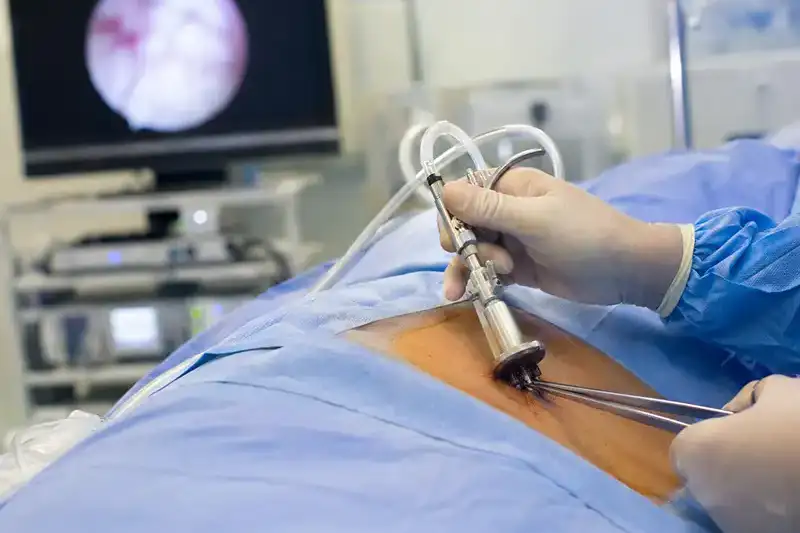
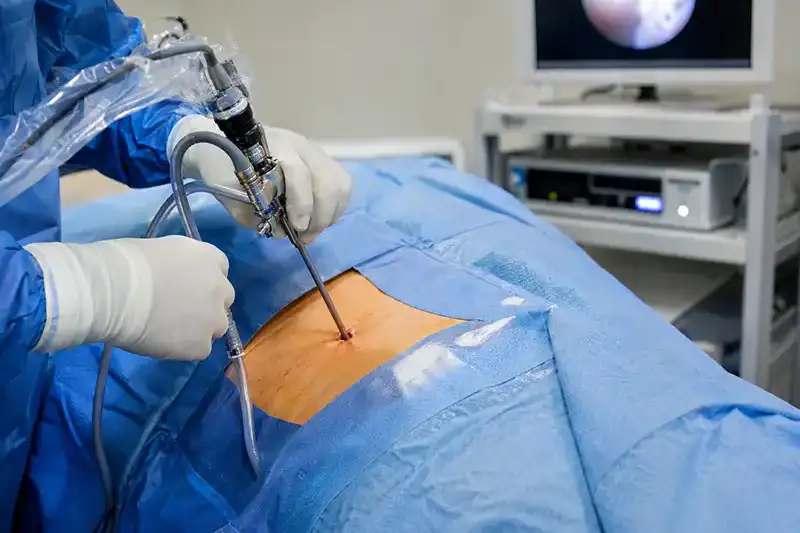
- Endoscopic Rhizotomy: For cases where nerve pain requires a more definitive interventional approach, endoscopic rhizotomy targets and deactivates the pain-transmitting nerve pathways under direct visualization, providing a precise and durable result.
Minimally Invasive and Surgical Options:
- Discectomy: When a herniated disc is directly compressing the sciatic nerve and conservative and interventional treatments have not provided adequate relief, a minimally invasive discectomy removes the offending disc material through a small incision, directly relieving the nerve compression while minimizing disruption to surrounding tissue.
- Minimally Invasive Spinal Fusion: In cases where spinal instability is a contributing factor to ongoing nerve compression, fusion stabilizes the affected segment and eliminates the abnormal motion sustaining sciatic symptoms. This is reserved for cases where structural factors make stabilization a clinical necessity.
- Spinal Cord Stimulation: For chronic, treatment-resistant sciatica that has not responded to other interventions, spinal cord stimulation modulates pain signals before they reach the brain, providing long-term relief for those managing persistent nerve pain.
- Peripheral Nerve Stimulation: In select cases where sciatic pain remains localized along a specific nerve pathway and has not responded adequately to other treatments, peripheral nerve stimulation delivers targeted neuromodulation directly where it is needed.
Sciatica is a condition that responds well to care that is matched precisely to its cause. At Shore Spine & Pain, Dr. Woska works with you to identify that cause, build a plan around it, and adjust that plan as your condition evolves. The goal is not simply to reduce pain in the short term, but to restore the function and freedom that chronic nerve pain has taken away.
Frequently Asked Questions about Sciatica
What is the difference between sciatica and general lower back pain?
Lower back pain is localized to the lumbar region and typically results from muscle strain, joint irritation, or disc degeneration. Sciatica is distinguished by pain that radiates beyond the back, traveling through the buttock and down one leg along the path of the sciatic nerve. Numbness, tingling, and weakness in the leg or foot are also common with sciatica and are rarely present with ordinary lower back pain. If your discomfort follows a track down your leg rather than staying in the back, sciatic nerve involvement is likely and warrants a proper evaluation.
How long does sciatica typically last?
The duration varies considerably depending on the underlying cause and how it is managed. Mild cases caused by muscle inflammation or a minor disc irritation often improve within 4 to 6 weeks with conservative care. Cases involving a herniated disc or spinal stenosis may persist for several months if left untreated. Chronic sciatica, where symptoms last longer than 12 weeks, is a signal that the underlying condition requires more targeted intervention. Early, accurate diagnosis significantly improves the likelihood of a faster and more complete recovery.
Will sciatica go away on its own?
In some cases, yes. When a disc herniation is the cause, the herniated material can gradually shrink over time as the body reabsorbs it, relieving pressure on the nerve. However, waiting without any form of treatment is not always appropriate, particularly when symptoms are severe, worsening, or affecting your ability to function. Allowing nerve compression to persist without evaluation carries a risk of progressive weakness or permanent nerve damage. A physician can help determine whether watchful waiting is reasonable or whether treatment should begin promptly.
When should I see a doctor about sciatica?
You should seek medical attention if your symptoms have lasted more than a few weeks, are worsening rather than improving, or are significantly interfering with daily activity. Immediate evaluation is necessary if you experience sudden loss of bladder or bowel control, rapid progression of leg weakness, or numbness in the groin or inner thigh. These may indicate cauda equina syndrome, a serious condition that requires urgent care. Even in the absence of those warning signs, persistent or severe sciatica is not something to manage indefinitely on your own.
What diagnostic tests are used to evaluate sciatica?
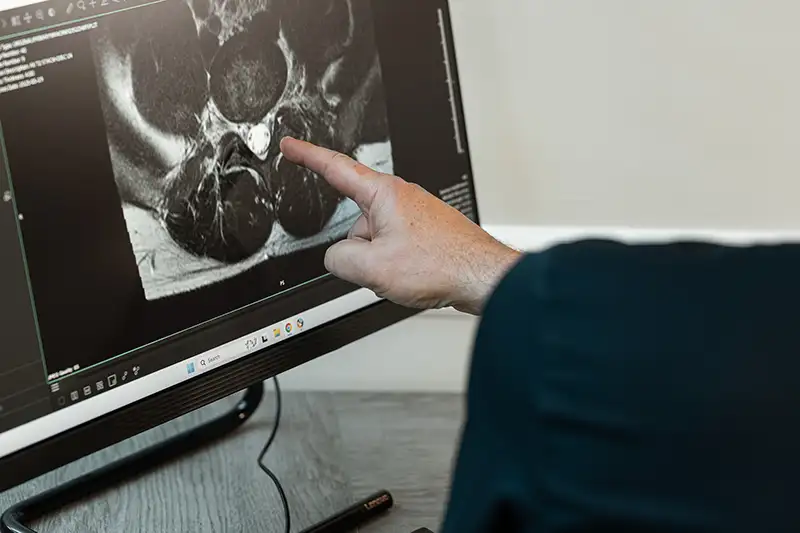
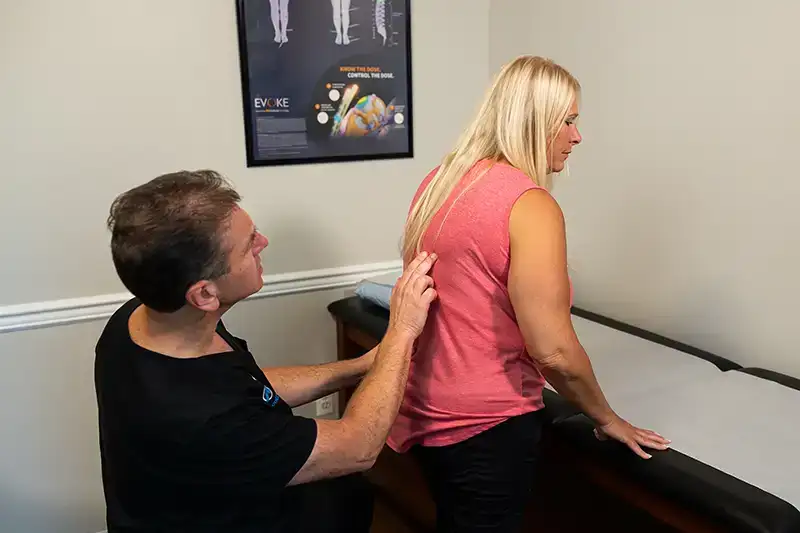
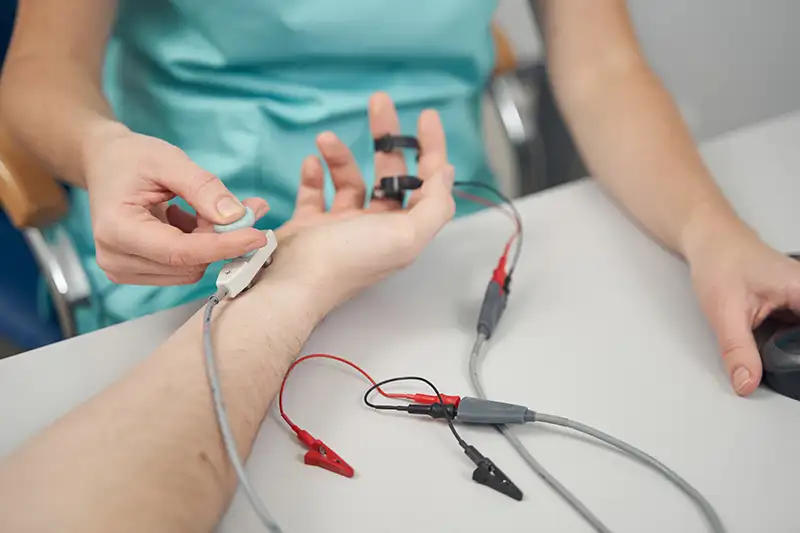
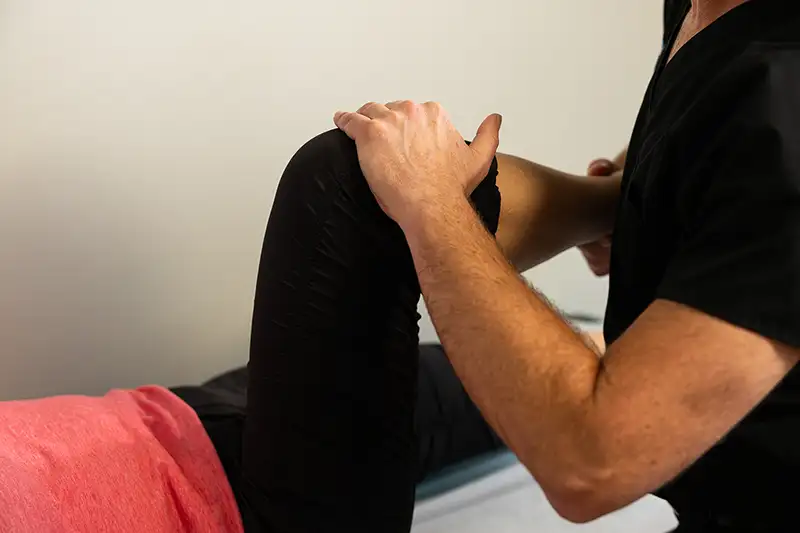
A thorough physical examination is the starting point, during which your physician will assess your reflexes, muscle strength, and the pattern of your pain to identify which nerve root is likely involved. Imaging studies are typically ordered to confirm the diagnosis and identify the structural cause. MRI is the most informative tool for evaluating disc herniations, nerve compression, and soft tissue involvement. X-rays may be used to assess bone alignment and disc spacing. In some cases, an electromyography (EMG) study is recommended to measure nerve conduction and determine the extent of nerve involvement..