What is an Endoscopic Rhizotomy?
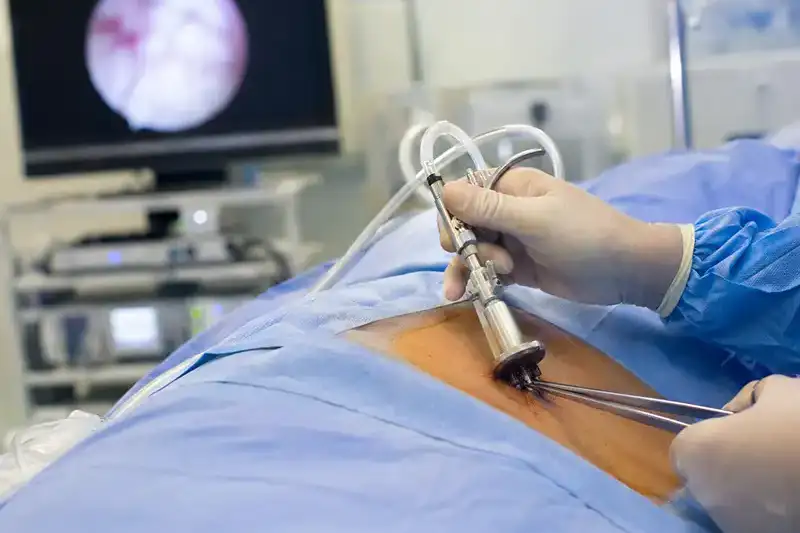
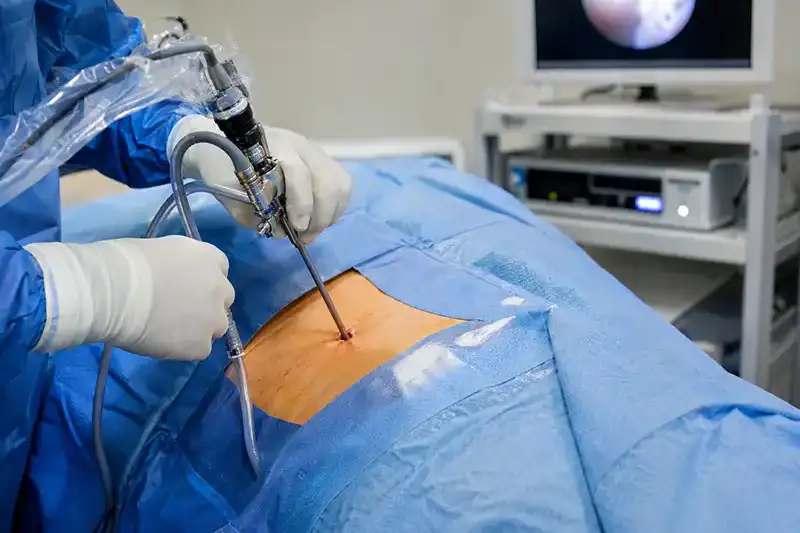
Endoscopic rhizotomy is a minimally invasive procedure that targets the sensory nerve fibers responsible for transmitting chronic spinal pain signals to the brain. Using a small endoscopic camera and specialized instruments inserted through a tiny incision, Dr. Woska can directly visualize the affected nerve roots and disable them with radiofrequency energy or laser ablation, stopping the pain at its source rather than masking it.
Because it is performed endoscopically, the surrounding muscles and connective tissue are largely left undisturbed, which sets it apart from traditional open surgical approaches, where gaining access to the spine alone can cause considerable tissue trauma. The result is a procedure that delivers the precision of a surgical intervention with a recovery profile much closer to that of a minimally invasive outpatient treatment.
At Shore Spine & Pain in Lakewood and Shrewsbury, NJ, Dr. Woska performs endoscopic rhizotomy as part of a broader continuum of care for chronic spinal nerve pain. It is typically considered after less invasive options such as facet joint injections and radiofrequency ablation have been explored, and it represents one of the more definitive non-fusion options available for appropriately selected cases.
If you are living with persistent nerve pain that has not responded to earlier treatments, contact us today to find out whether endoscopic rhizotomy is the right next step for your situation.
Why is an Endoscopic Rhizotomy Performed?
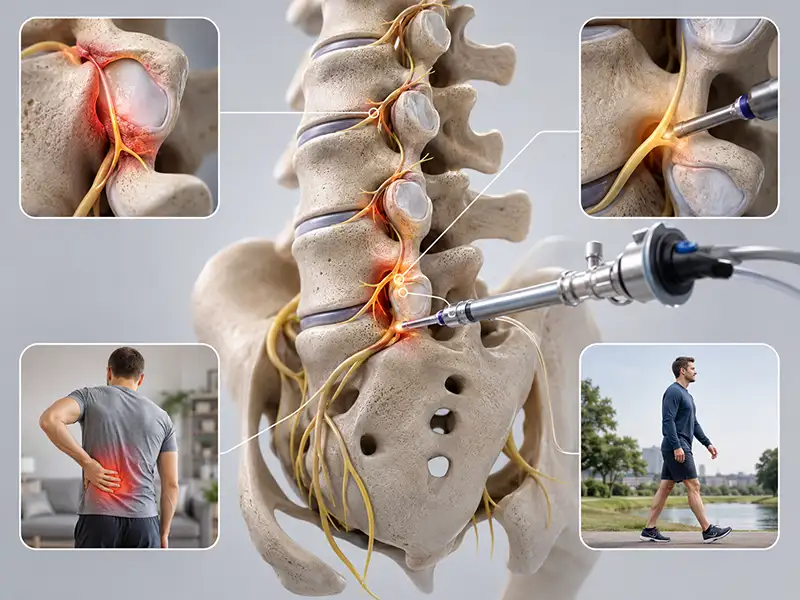
Endoscopic rhizotomy is typically considered when chronic spinal pain has not responded adequately to conservative care or interventional treatments. It is not a first-line option, but for those who have exhausted those avenues without adequate relief, it can offer a level of precision and durability that other approaches have not been able to provide.
Conditions Dr. Woska commonly addresses with endoscopic rhizotomy at Shore Spine & Pain include:
- Facet joint syndrome and chronic facet joint pain
- Degenerative disc disease
- Spinal arthritis producing persistent axial neck or back pain
- Chronic neck or lower back pain that has not responded to epidural steroid injections or radiofrequency ablation
- Failed back surgery syndrome, where pain persists following a previous spinal procedure
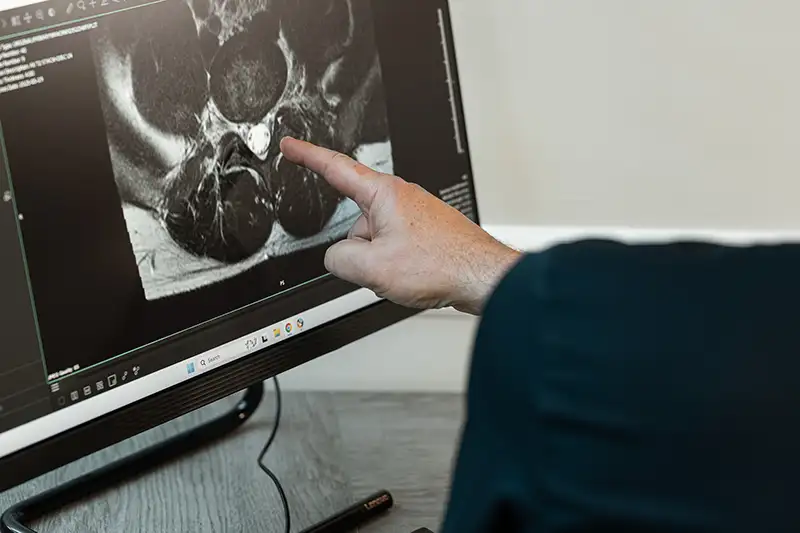
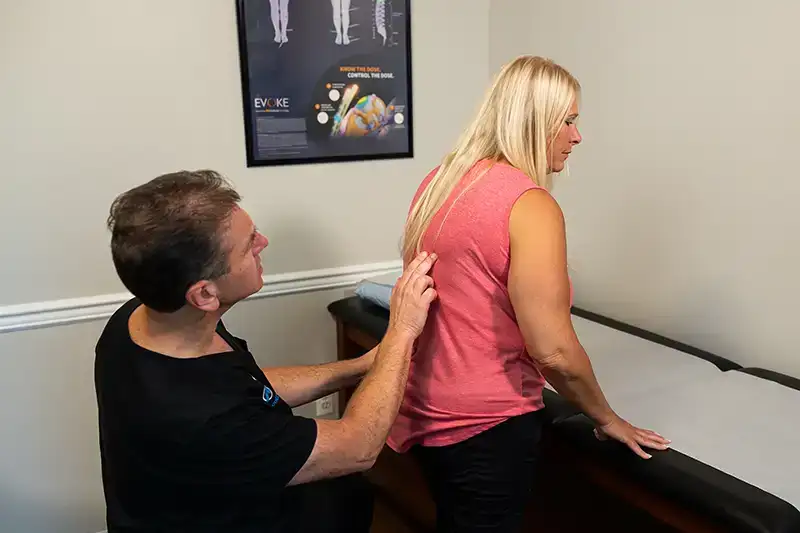
Before recommending endoscopic rhizotomy, Dr. Woska uses diagnostic injections to confirm that the targeted nerve roots are the true source of your pain. If a temporary nerve block produces meaningful relief, even briefly, that is a reliable indicator that rhizotomy is likely to be effective.
How is an Endoscopic Rhizotomy Performed?
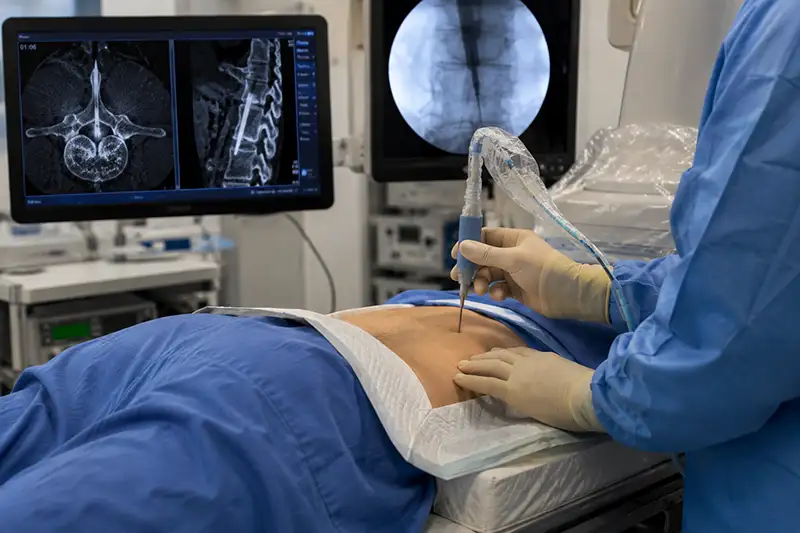
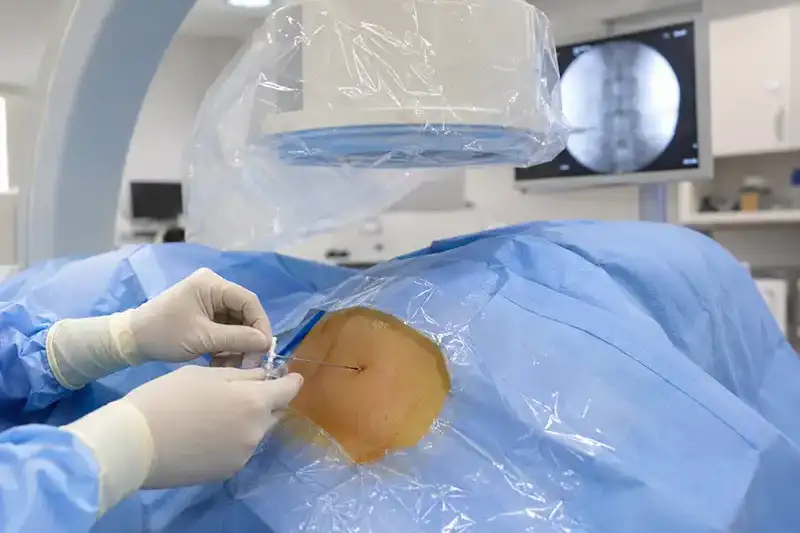
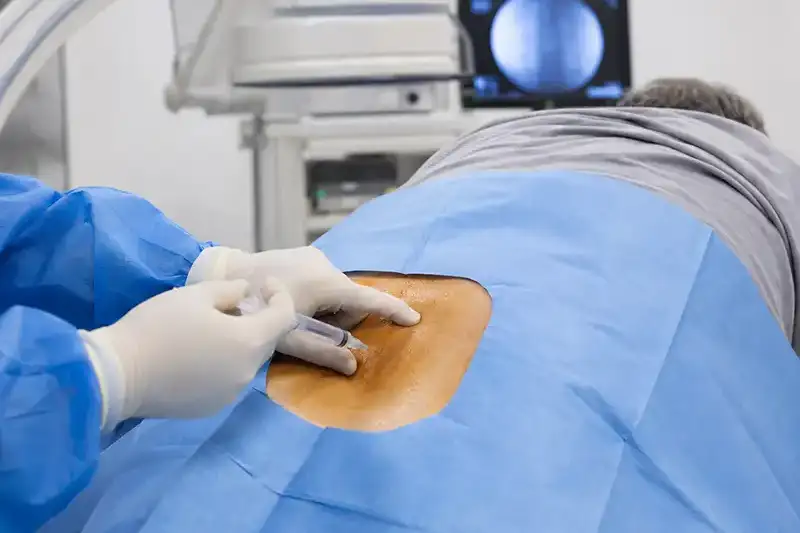
Endoscopic rhizotomy is performed on an outpatient basis at Shore Spine & Pain, and you go home the same day. Local anesthesia numbs the treatment area, and mild sedation is used to keep you comfortable throughout. Dr. Woska uses live fluoroscopic imaging from start to finish, providing real-time X-ray guidance to verify instrument positioning at every stage of the procedure.
The procedure generally takes between 60 and 90 minutes depending on the number of spinal levels being treated. Once complete, the small incision is closed and you are monitored in a recovery area before being discharged.
Most people are ready to leave within a short time and can return home the same day without the need for an overnight hospital stay.
What To Expect After an Endoscopic Rhizotomy

Because the incision is small and muscle disruption is minimal, most people are moving around comfortably within a day or two. Post-procedural soreness is common but typically manageable without prescription pain medication. Light walking is encouraged early in recovery, while heavy lifting and strenuous activity should be avoided until Dr. Woska clears you to resume them.
Pain relief does not always arrive immediately. Some people notice improvement within the first week, while others experience a more gradual change over the following weeks as the treated nerve fibers fully settle. Relief from endoscopic rhizotomy can last anywhere from one to several years, and if symptoms return over time, the procedure can often be repeated with similar results.
Follow-up appointments at Shore Spine & Pain in Lakewood or Shrewsbury, NJ are scheduled to monitor your progress. Dr. Woska will adjust your care plan based on how your recovery unfolds and will give you a realistic picture of what to expect based on your specific condition, the severity of nerve involvement, and your overall health going in.
If you are ready to explore whether endoscopic rhizotomy is the right option for your situation, contact us today to schedule a consultation and take the next step toward lasting relief.
Frequently Asked Questions about an Endoscopic Rhizotomy
How is endoscopic rhizotomy different from radiofrequency ablation?
Both procedures use radiofrequency energy to disable pain-transmitting nerve fibers, so the underlying mechanism is similar. The difference is in how Dr. Woska gets there. Traditional radiofrequency ablation uses fluoroscopic imaging to guide the needle indirectly, while endoscopic rhizotomy uses a camera to visualize the target directly. That direct visualization allows for more precise treatment with greater confidence about needle placement, which is particularly valuable when previous treatments have not produced the expected result.
How long does the relief from endoscopic rhizotomy last?
There is no single answer that applies to every situation. Many people experience meaningful improvement for 1 to 2 years following endoscopic rhizotomy at Shore Spine & Pain; others report longer. Factors including the specific condition being treated, the number of spinal levels involved, and overall health all play a role. If pain does return, the procedure can generally be repeated with comparable results.
Am I a good candidate for endoscopic rhizotomy?
The clearest indicator is how you respond to a diagnostic nerve block or targeted injection. If a temporary injection into the suspected nerve roots produces noticeable relief, even briefly, that is a strong signal that endoscopic rhizotomy is worth pursuing. Beyond that, good candidates are typically those who have already tried and had limited success with medications, injections, or other interventional treatments. Dr. Woska will review your imaging, history, and symptoms at Shore Spine & Pain in Lakewood or Shrewsbury, NJ to determine whether this is the right next step for your specific situation.
What does recovery actually look like day to day?
The first day or two usually involve some localized soreness around the incision site, which is normal given the nature of the procedure. Most people are up and moving without much difficulty fairly quickly, and many return to desk work or light responsibilities within a few days. The physical restrictions, avoiding heavy lifting and intense activity, are temporary. Dr. Woska will give you a clear recovery timeline based on what was done and how your body responds in the days following the procedure at Shore Spine & Pain.
Does insurance cover endoscopic rhizotomy?
Coverage depends on your specific plan and diagnosis. In many cases, insurers require documentation that conservative treatments have already been attempted before approving the procedure. The team at Shore Spine & Pain works through the prior authorization process and can help you understand what your plan covers before anything is scheduled.