What is Radiofrequency Ablation?
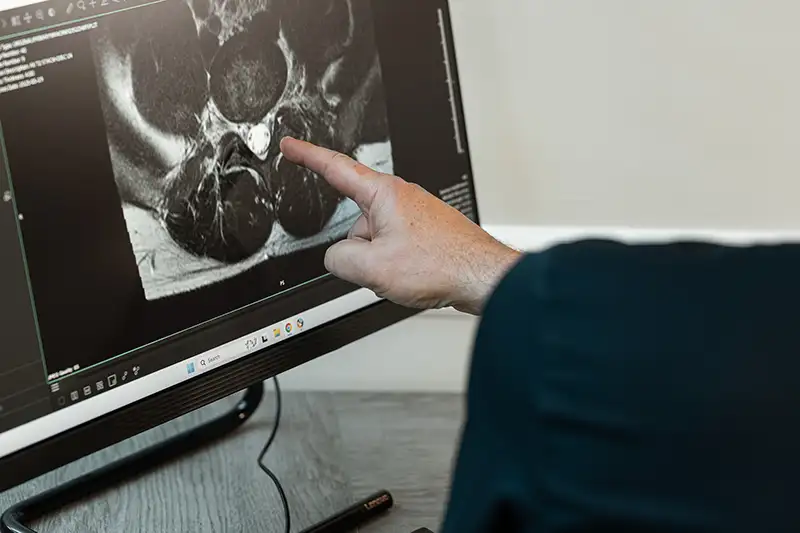
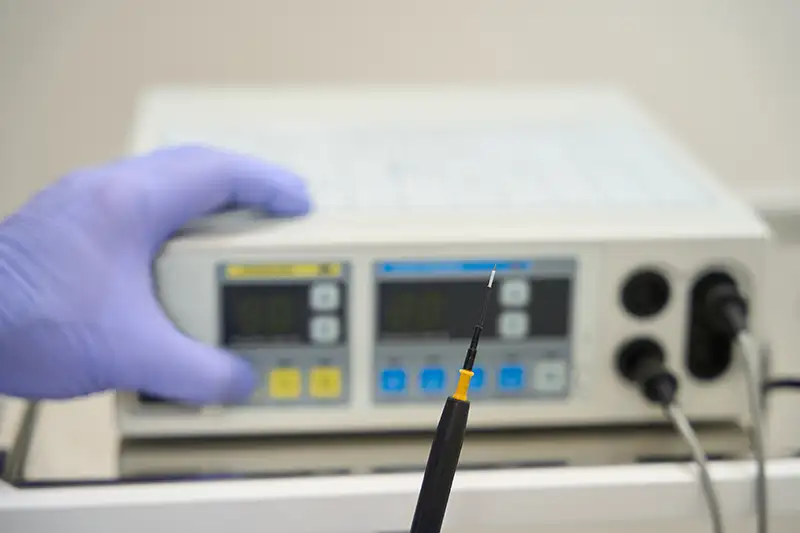
Radiofrequency ablation (RFA) is a minimally invasive outpatient procedure that uses heat generated by radio waves to disable nerves that are transmitting chronic pain signals. By targeting and disrupting those specific nerve pathways, RFA can provide relief that outlasts what steroid injections typically offer, without the recovery demands of surgery.
It is most commonly used to treat persistent pain in the neck, mid-back, and lower back, as well as joint pain related to conditions like facet joint syndrome, sacroiliac joint pain, and osteoarthritis. Some people have lived with that pain for years before finding that RFA gives them meaningful, lasting relief.
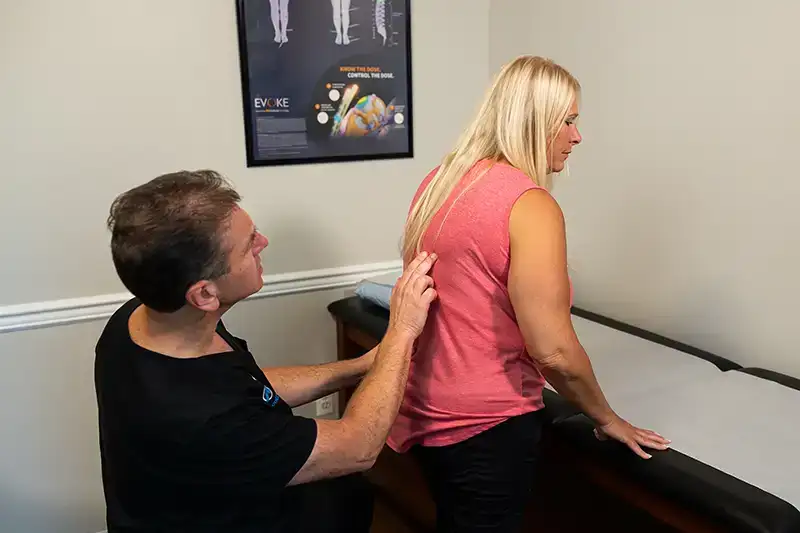
At Shore Spine & Pain in Lakewood and Shrewsbury, NJ, Dr. Woska performs radiofrequency ablation as part of a methodical, diagnosis-driven approach to chronic spinal and joint pain. RFA is typically recommended after a diagnostic injection, such as a facet joint injection or SI joint injection, has confirmed the nerve pathway responsible for your pain. That confirmation step is what makes the procedure so precise and why results at Shore Spine & Pain are consistently directed at the right target.
If you are living with chronic neck or back pain that has not responded to other treatments, contact us today to find out whether radiofrequency ablation is the right next step for you.
Why is Radiofrequency Ablation Performed?
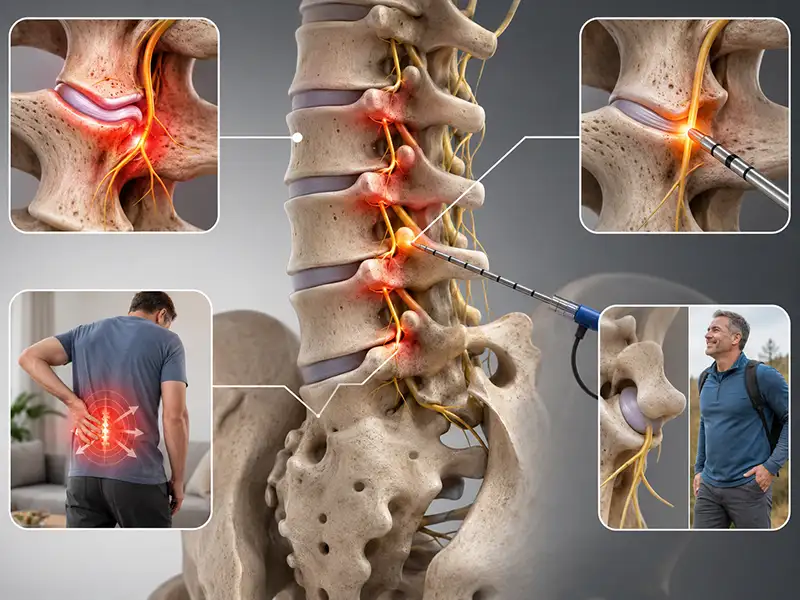
At Shore Spine & Pain, Dr. Woska recommends radiofrequency ablation when chronic pain has not responded adequately to conservative care or when steroid injections have confirmed the nerve pathway responsible for symptoms but provided only temporary relief. That confirmation step, typically a facet joint injection or SI joint injection, is what makes RFA so targeted and predictable. When a diagnostic injection produces meaningful but short-lived improvement, it indicates that the nerve carrying those pain signals has been accurately identified and that RFA is likely to deliver more durable results.
Conditions Dr. Woska commonly treated with radiofrequency ablation at Shore Spine & Pain include:
- Facet joint syndrome in the cervical, thoracic, or lumbar spine
- Sacroiliac joint pain
- Arthritis-related joint pain producing chronic neck or back symptoms
- Chronic spinal pain following an injury that has not resolved with other treatments
- Persistent pain following spinal surgery, including failed back surgery syndrome
RFA is not the right fit for every condition or every person. A thorough evaluation with Dr. Woska at Shore Spine & Pain in Lakewood or Shrewsbury, NJ is the clearest way to determine whether it is the appropriate next step for your specific situation.
How is Radiofrequency Ablation Performed?
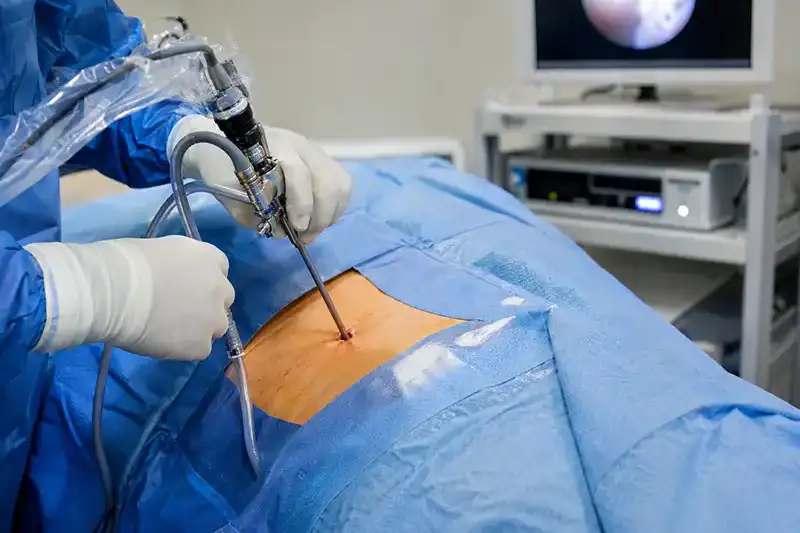
Radiofrequency ablation is performed as an outpatient procedure at Shore Spine & Pain and typically takes under an hour from start to finish, with no hospital stay required.
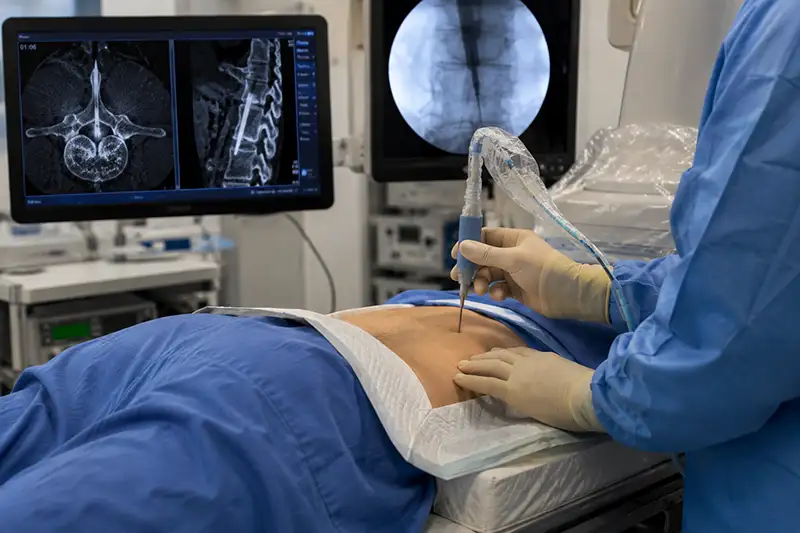
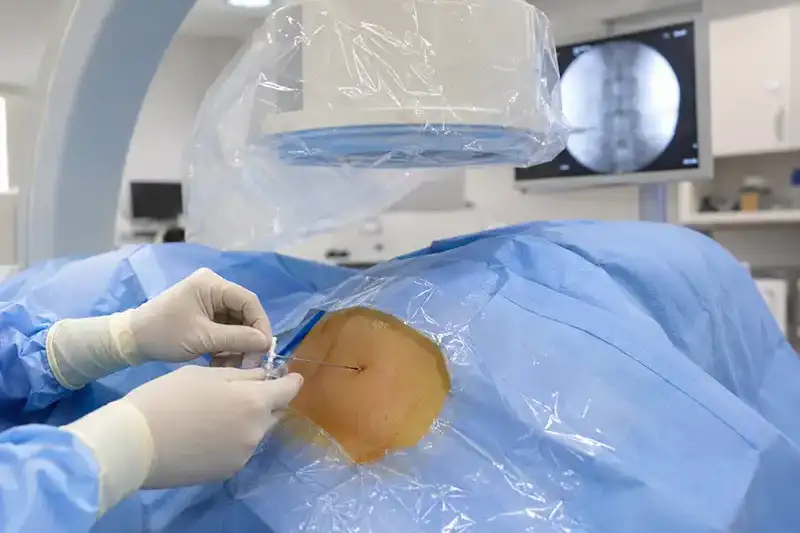
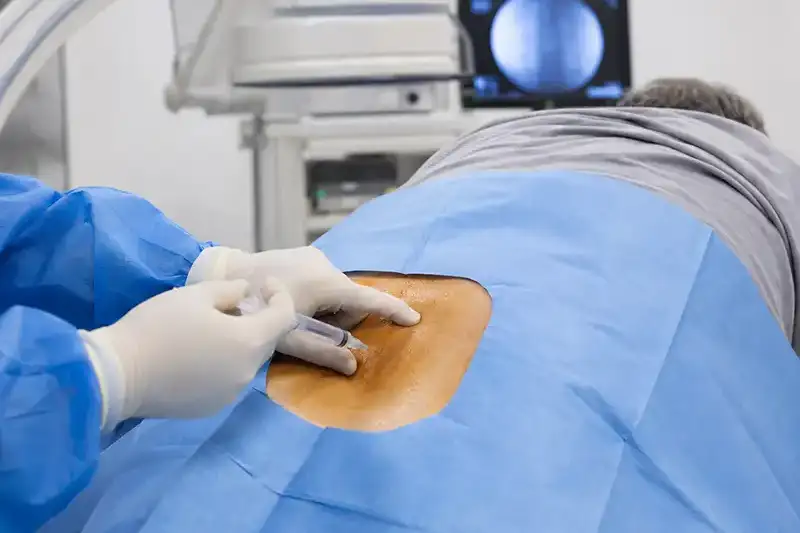
When you arrive, you will be positioned comfortably on a procedure table and the treatment area will be cleaned and prepared. A local anesthetic is applied to numb the skin and the tissue beneath it, so most people are surprised by how little discomfort they experience once the procedure is underway. Dr. Woska uses live fluoroscopic imaging throughout, guiding a thin needle electrode to the precise location of the nerve responsible for your pain. This real-time imaging is what allows the procedure to be as targeted as it is, ensuring the electrode reaches exactly the right spot before anything else happens.
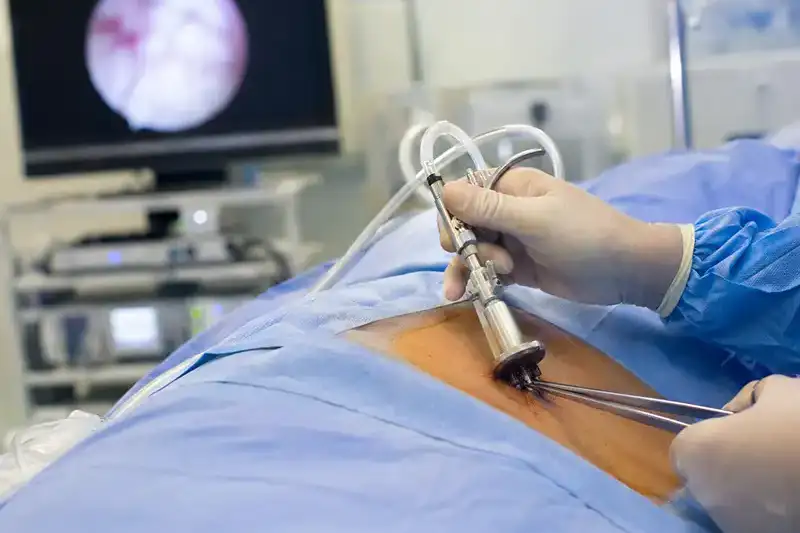
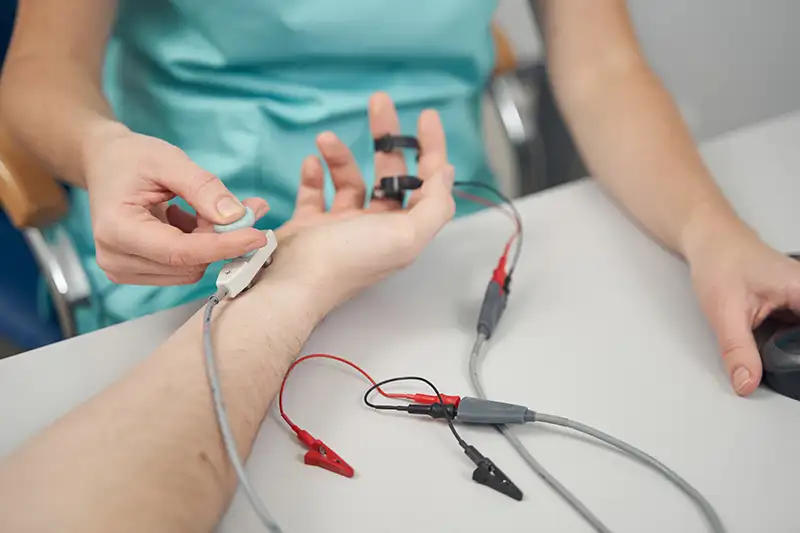
Before the ablation begins, a brief test stimulation is performed. You may feel a mild tingling or pressure sensation during this step, which is normal and expected. It serves an important purpose: confirming that the needle is at the correct nerve rather than adjacent tissue, so that the treatment that follows is directed precisely where it needs to be. Once Dr. Woska is satisfied with the positioning, a controlled radiofrequency current is passed through the electrode tip, generating heat that interrupts the nerve’s ability to transmit pain signals. Each cycle takes approximately 60 to 90 seconds. If more than one nerve is involved, each is treated in sequence during the same visit.
You remain awake and comfortable throughout the procedure and can communicate with Dr. Woska and the team at Shore Spine & Pain at any point.
What To Expect After Radiofrequency Ablation

Radiofrequency ablation is performed on an outpatient basis at Shore Spine & Pain, so you return home the same day. It is normal to experience some soreness or mild discomfort at the treatment site for several days following the procedure. Applying ice and taking over-the-counter pain relievers can help manage this during the early recovery period. Most people are back to their usual routine within a few days, though strenuous activity is typically avoided during the first week.
Pain relief from RFA does not always happen immediately. For many people, improvement builds gradually over 1 to 3 weeks as the treated nerve fully responds to the procedure. Once relief sets in, it commonly lasts between 6 months and 2 years. Because nerves can slowly regenerate over time, symptoms may eventually return. When they do, repeating the procedure is often a viable option and tends to produce similar results to the first treatment.
Throughout your recovery, Dr. Woska and the team at Shore Spine & Pain are available to answer questions, monitor your progress, and make any adjustments to your care plan as needed. Whether your relief holds for months or you find yourself returning for a follow-up procedure down the line, you will have the same physician and the same team supporting you at every stage. If you have questions about what to expect after radiofrequency ablation or want to find out whether it is the right treatment for your condition, the answers to some of the most common questions are below, or you can contact Shore Spine & Pain in Lakewood or Shrewsbury, NJ directly to speak with our team.
Frequently Asked Questions about Radiofrequency Ablation
Is radiofrequency ablation painful?
Most people tolerate radiofrequency ablation well. At Shore Spine & Pain, a local anesthetic is applied before needle placement, so discomfort during the procedure is generally minimal. Some soreness at the treatment site is normal in the days that follow and tends to resolve on its own within a week. Dr. Woska and the team are available throughout your recovery if you have any concerns.
How long does relief from radiofrequency ablation last?
Results vary, but most people experience relief somewhere between six months and two years following radiofrequency ablation. Nerves can regenerate over time, which is why symptoms occasionally return. When they do, repeating the procedure at Shore Spine & Pain in Lakewood or Shrewsbury, NJ is usually an option and tends to produce results similar to the first treatment.
When will I start feeling better after radiofrequency ablation?
Relief from radiofrequency ablation is rarely immediate. Most people begin noticing a difference within 1 to 3 weeks as the treated nerve responds. It often feels like a gradual lightening rather than an overnight change, which is completely normal and expected. Dr. Woska will monitor your progress during this period to ensure your recovery is on track.
How do I know if I am a good candidate for radiofrequency ablation?
The clearest indicator is how you responded to a prior diagnostic injection, such as a facet joint injection or SI joint injection. If that injection produced meaningful relief, even temporarily, radiofrequency ablation is likely to be effective. Conditions such as facet joint syndrome, sacroiliac joint pain, and failed back surgery syndrome are among the most common reasons Dr. Woska recommends this procedure at Shore Spine & Pain. A consultation in Lakewood or Shrewsbury, NJ is the best way to evaluate your specific situation.
Will I need time off work after radiofrequency ablation?
Most people return to light activity within a few days of the procedure. Work that involves prolonged physical exertion may require a slightly longer break, but desk work and everyday tasks are typically manageable fairly quickly after radiofrequency ablation at Shore Spine & Pain. Dr. Woska will provide specific guidance based on your procedure and the type of work you do.