
What is Facet Joint Syndrome?
Every level of your spine is connected by two small joints running along the back of the vertebrae. These are your facet joints, and they do more than most people realize. They guide the direction and range of every spinal movement you make, from bending to reach something off the floor to rotating in your seat to look behind you, while keeping the vertebrae aligned and protecting the nerves and discs nearby.
Each joint is cushioned by smooth cartilage and enclosed in a fluid-filled capsule designed to keep movement frictionless. When that cartilage wears down or the joint becomes inflamed, pain follows. That is facet joint syndrome, and it is among the most prevalent sources of chronic neck and back pain in adults. It tends to develop gradually, often without a single identifiable cause, and it worsens without intervention.
If chronic spinal pain is limiting your daily life, facet joint syndrome may be the cause. The specialists at Shore Spine & Pain in New Jersey can evaluate your symptoms and give you the answers you need.
What Causes Facet Joint Syndrome?

The most common driver is time. Decades of movement, load, and repetitive stress gradually thin the cartilage inside the facet joints until bone begins contacting bone. Several other factors can accelerate or contribute to this breakdown:
- Disc degeneration: When the intervertebral discs lose height, the facet joints absorb a disproportionate share of the spine’s load, speeding up cartilage wear. Degenerative disc disease and facet joint syndrome frequently develop together for this reason.
- Injury and trauma: A car accident, hard fall, or sudden forceful impact can damage the joint capsule directly. Symptoms may not surface until weeks after the event.
- Repetitive occupational or athletic stress: Sustained physical demands place cumulative strain on spinal joints that compounds over years.
- Postural and lifestyle factors: Poor posture, prolonged sitting, and excess body weight each place uneven or excessive mechanical load on the facet joints, contributing to earlier or more severe degeneration.
- Prior spinal surgery: Structural changes from previous procedures can shift load onto adjacent joints, a phenomenon known as adjacent segment stress.
Symptoms of Facet Joint Syndrome
Facet joint syndrome presents differently depending on where along the spine the affected joints are located.
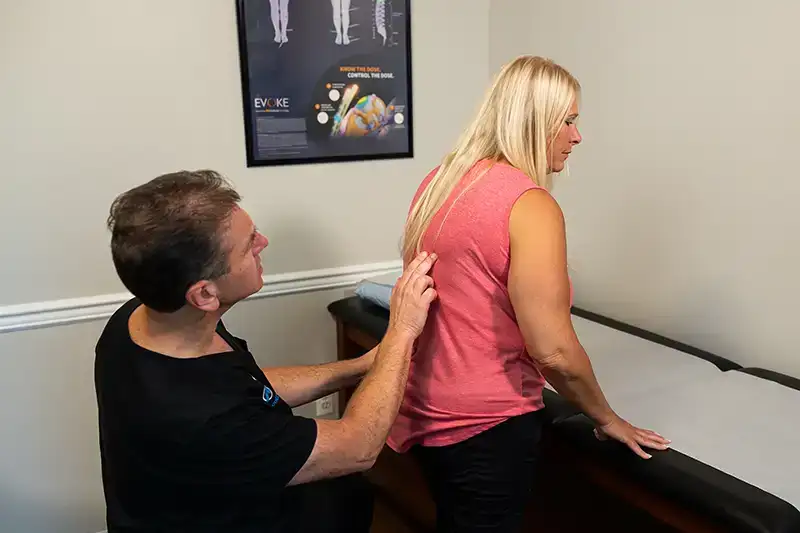
In the lumbar spine, the hallmark is a deep, aching pain near the spine that may spread into the buttocks, hips, or upper thighs. Unlike sciatica, it typically does not travel below the knee or produce significant foot numbness. Pain is usually most pronounced in the morning, after extended periods of sitting, or when standing upright and arching the back. Leaning slightly forward often brings relief by reducing pressure on the inflamed joints.
In the cervical spine, the pain tends to concentrate in the neck and radiate into the shoulders and upper back, sometimes producing headaches at the base of the skull. Rotating the head, looking upward, or holding a position for an extended period can trigger flares.
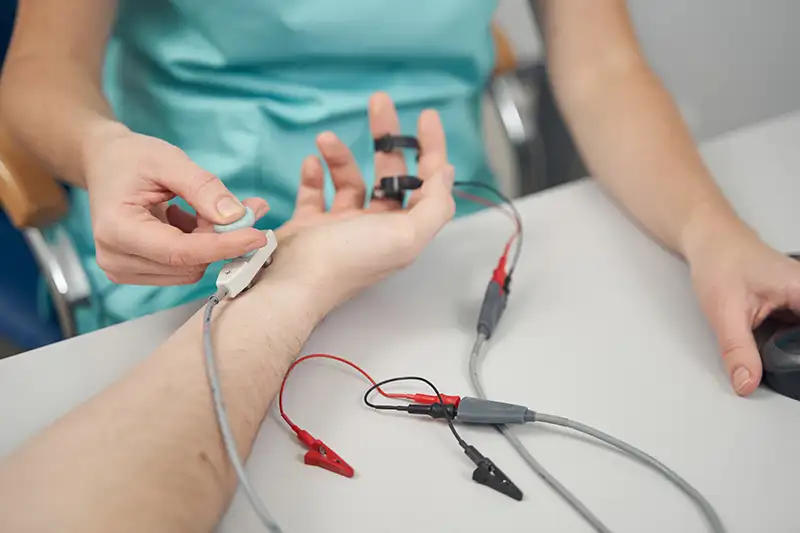
Across both regions, the range of motion narrows progressively. Tasks that once required no thought, getting out of bed, turning to check a blind spot while driving, reaching overhead, become daily negotiations with discomfort. Because facet joint syndrome shares symptoms with conditions such as herniated disc and spinal stenosis, precise diagnosis is essential before any treatment plan is developed.
Treatments We Offer for Facet Joint Syndrome
At Shore Spine & Pain in Lakewood and Shrewsbury, treatment begins with the most conservative appropriate option and advances only when needed. Every plan is built around the individual: the location and severity of joint involvement, symptom history, and long-term goals.
Interventional Pain Management:
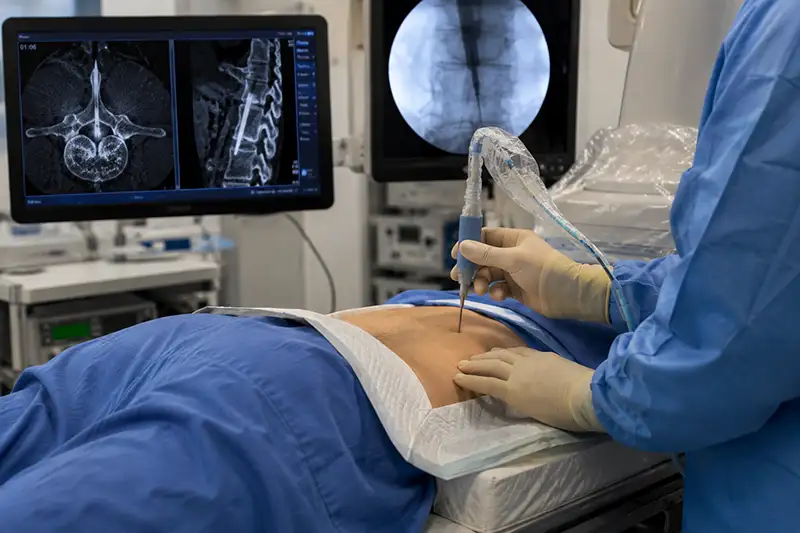
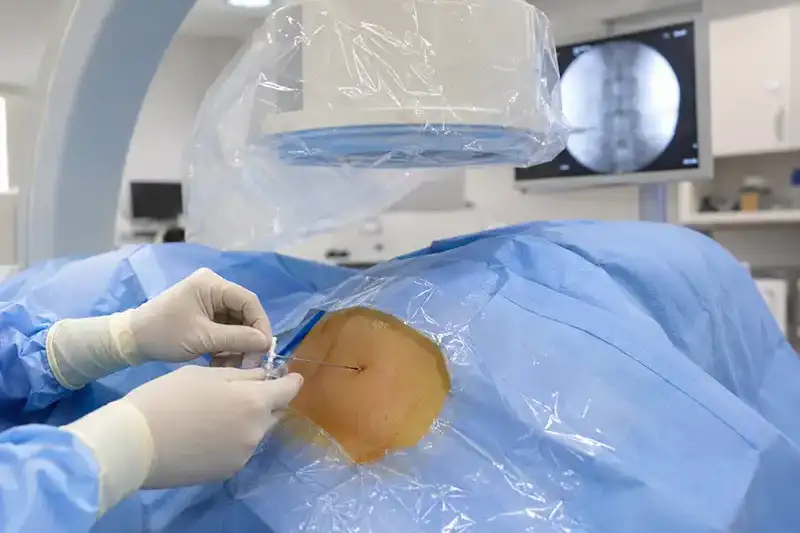
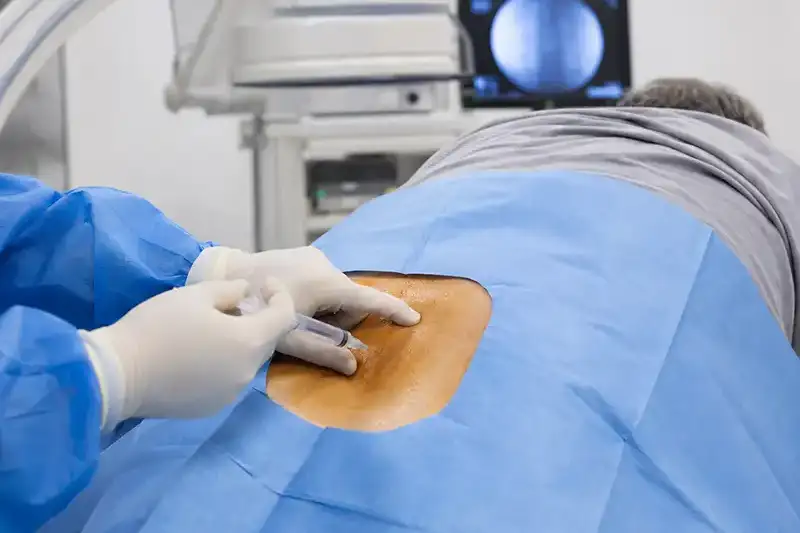
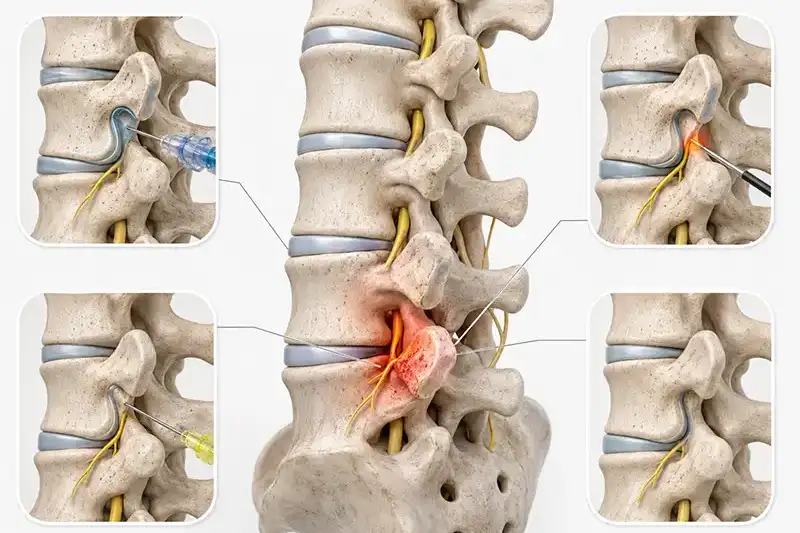
- Facet Joint Injections A corticosteroid delivered directly into the affected joint reduces inflammation and provides targeted relief. These injections serve a dual purpose, offering both symptomatic relief and diagnostic confirmation that the facet joints are the primary pain source.
- Radiofrequency Ablation Once facet joint involvement is confirmed, radiofrequency ablation uses precisely applied heat energy to disrupt the medial branch nerves transmitting pain signals from the affected joints. Results typically last several months to over a year, and the procedure can be repeated when symptoms return.
- Epidural Steroid Injections When facet joint degeneration is accompanied by nerve root irritation or radiating pain into the hips and legs, an epidural steroid injection addresses the inflammatory component driving those broader symptoms.
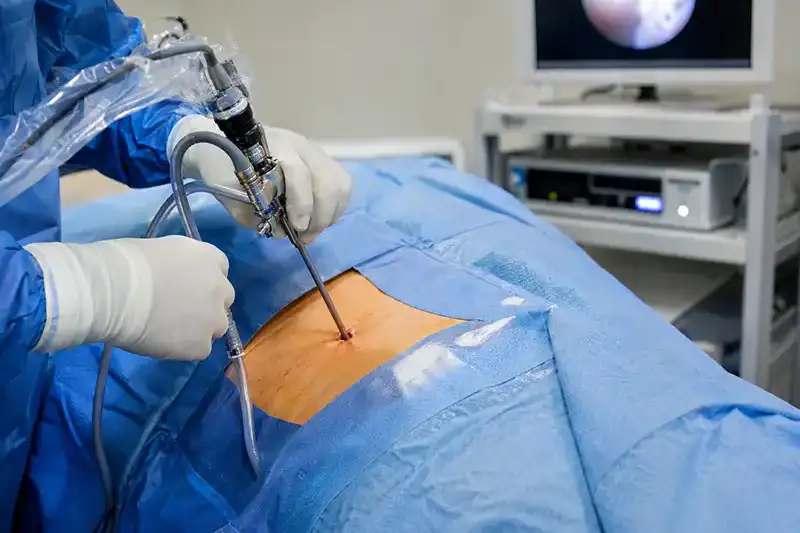
- Endoscopic Rhizotomy For cases where a more definitive approach to nerve pain is warranted, endoscopic rhizotomy targets and deactivates the pain-transmitting nerves under direct visualization, offering a precise and durable result.
- Facet Joint Fusion When joint deterioration is significant and other treatments have not produced lasting relief, facet joint fusion stabilizes the affected spinal segment and eliminates the mechanical source of pain.
No matter where you are in your facet joint syndrome journey, Shore Spine & Pain is committed to providing compassionate, expert care aimed at restoring your quality of life. Your treatment plan will be crafted specifically for you, with your goals, your timeline, and your wellbeing at the center of every decision.
Frequently Asked Questions about Facet Joint Syndrome
Is facet joint syndrome the same as spinal arthritis?
The two are closely connected. Facet joint syndrome is often the clinical expression of osteoarthritis occurring specifically in the spinal joints, which is why the terms are sometimes used interchangeably. The distinction matters because facet joint syndrome is the more precise diagnosis: it describes the pain and functional limitation that result when those joints break down, whether the underlying driver is arthritis, injury, or mechanical wear over time.
Can facet joint pain go away on its own?
In some cases, yes. Mild bulging discs can improve over time with rest, movement modification, and physical therapy. The disc won’t physically return to its original shape, but the inflammation around it can calm down enough that many people eventually become symptom-free. That said, it depends heavily on the individual, the location of the disc, and how much pressure it’s placing on surrounding nerves. Some bulging discs don’t resolve without intervention, which is why getting a proper evaluation matters rather than waiting it out indefinitely.
How does a doctor tell facet joint syndrome apart from a herniated disc?
The symptoms can overlap considerably, which is exactly what makes accurate diagnosis so important. A herniated disc involves displaced disc material pressing on spinal nerves. Facet joint syndrome originates in the bony joints posterior to the disc. A targeted facet joint injection is one of the most reliable tools for isolating the pain source and confirming which structure is responsible.
Does facet joint syndrome only affect the lower back?
No. While lumbar facet joint syndrome is the most frequently treated form, the facet joints extend the full length of the spine. Cervical facet joint syndrome is a well-recognized condition that produces neck pain, shoulder stiffness, and often headaches at the base of the skull. Dr. Woska evaluates and treats facet joint involvement at all spinal levels at Shore Spine & Pain in Lakewood and Shrewsbury, NJ.
Can I still exercise with facet joint syndrome?
In most cases, staying active is beneficial. Prolonged inactivity weakens the muscles that support the spine, which can worsen symptoms over time. Low-impact movement such as walking and targeted core strengthening tends to be well tolerated and helps reduce mechanical load on the affected joints. Understanding which specific movements aggravate your condition is an important part of the individualized care plan Dr. Woska develops at Shore Spine & Pain.