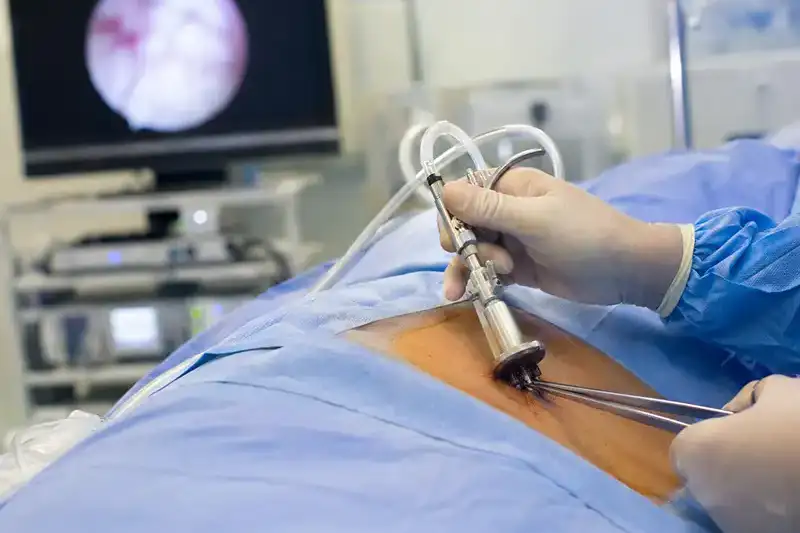
What is a Discectomy?
A discectomy is a procedure to remove disc material that has shifted out of position and is pressing on a nearby nerve. When that happens, the nerve does not just hurt at the site of the compression. It hurts along its entire path. In the lower back, that typically means pain, numbness, or weakness that travels through the buttock, down the leg, and sometimes into the foot.
In the neck, the same process produces symptoms that radiate into the shoulder, arm, and hand. The location changes, but the disruption to daily life is consistent: pain that does not stay put, weakness that makes simple tasks unreliable, and a quality of life that has quietly narrowed around the symptoms.
A discectomy addresses that by removing the portion of the disc that is pressing on the nerve. Once the compression is relieved, the nerve can begin to recover and the symptoms it was generating can resolve. The procedure can be performed through a range of approaches, from traditional open surgery to techniques that are considerably less invasive.
At Shore Spine & Pain in Lakewood and Shrewsbury, NJ, Dr. Woska focuses exclusively on minimally invasive approaches, which achieve the same decompressive result through much smaller incisions, with less disruption to surrounding tissue, lower complication risk, and a faster return to normal activity.
Why is a Discectomy Performed?
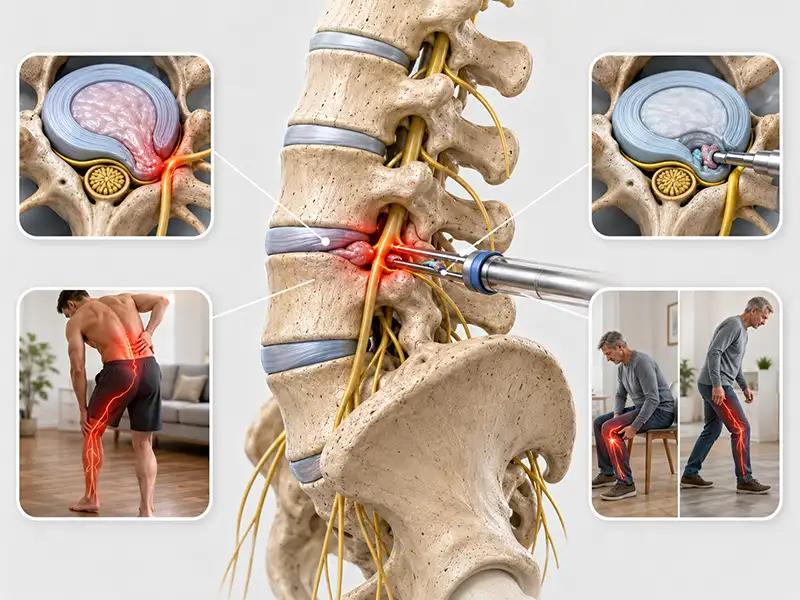
Dr. Woska recommends discectomy at Shore Spine & Pain when disc-related nerve compression is producing symptoms that are severe, significantly limiting daily life, or have not responded to a structured course of conservative care including medications, activity modification, and targeted injections.
Discectomy is commonly considered in the following situations:
- A herniated disc pressing directly onto a nerve root, producing sharp radiating pain, numbness, or weakness in the arm or leg that has not improved with other treatments
- A bulging disc that has expanded beyond its normal boundary and is generating burning or electric-like pain traveling along the nerve’s path
- Degenerative disc disease that has progressed to the point of nerve compression, producing a combination of localized back pain and radiating limb symptoms that injections alone have not adequately controlled
- Sciatica originating from lumbar disc pathology, particularly when leg pain has persisted for several months without meaningful improvement or when leg weakness is getting worse rather than better
- Cervical disc herniation producing arm pain, hand numbness, or grip weakness that has not resolved with conservative or interventional care
- Progressive neurological symptoms, including worsening weakness, expanding areas of numbness, or any sign of spinal cord involvement, which may require timely intervention rather than continued observation
When neurological symptoms are progressing rather than holding steady, the window for conservative management narrows considerably. If you are experiencing worsening leg or arm weakness alongside disc-related pain, an evaluation at Shore Spine & Pain in Lakewood or Shrewsbury, NJ is an important next step.
How is a Discectomy Performed?
All discectomy procedures at Shore Spine & Pain are performed on an outpatient basis with imaging guidance throughout. You will be positioned comfortably for access to the affected area, and a local anesthetic is applied before anything begins. Light sedation is provided to keep you relaxed and comfortable. General anesthesia is not required for any of the minimally invasive approaches Dr. Woska performs.
Before recommending a specific technique, Dr. Woska reviews your imaging, your symptoms, and your full clinical history to determine which approach is the right fit for your situation. Three minimally invasive discectomy options are available at Shore Spine & Pain: nucleoplasty, percutaneous discectomy, and endoscopic discectomy.
Nucleoplasty
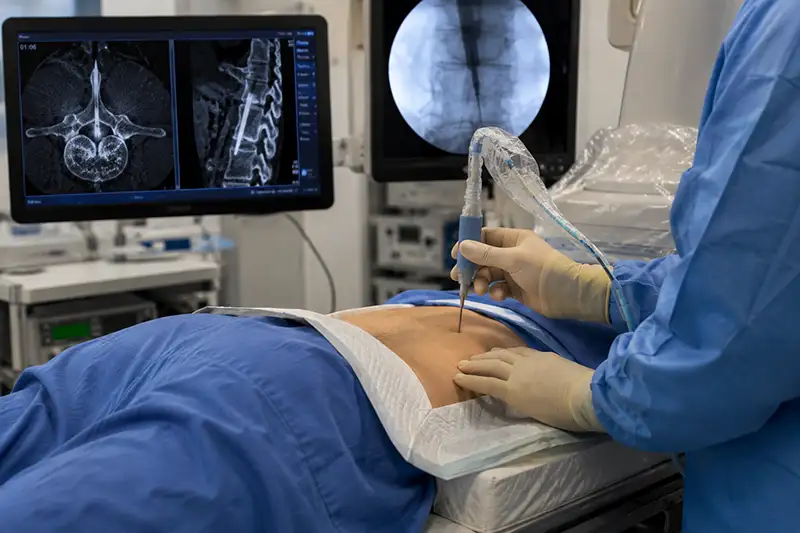
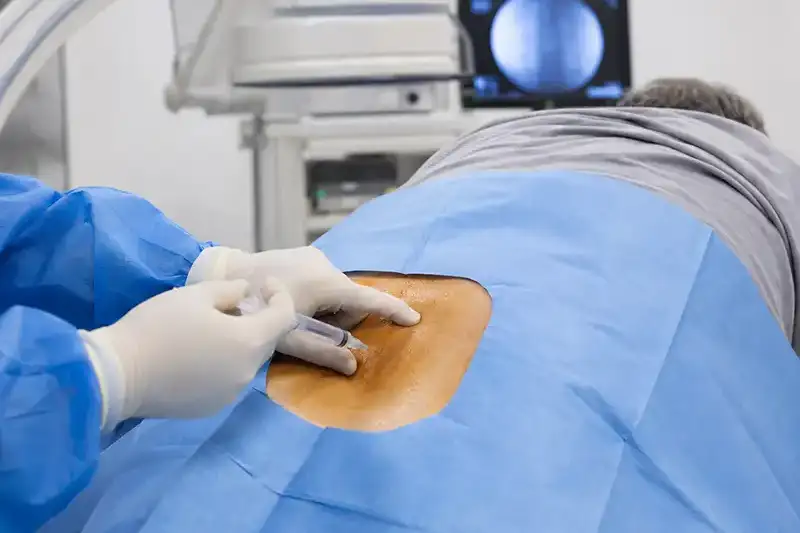
Nucleoplasty works from the inside of the disc outward. Rather than removing disc material through an incision, a thin needle is guided into the center of the affected disc under live imaging. Through that needle, a small device uses controlled, low-temperature energy to reduce the volume of disc material pressing outward against the nerve. As that internal pressure decreases, the compression on the surrounding nerve root eases with it.
Because no incision is made and no muscle or bone tissue is disturbed, nucleoplasty is one of the least invasive options available for appropriate disc herniations. It works best when the outer wall of the disc is still largely intact and the disc material has not fully pushed through. The procedure is performed on an outpatient basis at Shore Spine & Pain, takes a relatively short time to complete, and requires nothing more than a small adhesive bandage over the needle entry point when it is done.
Percutaneous Discectomy
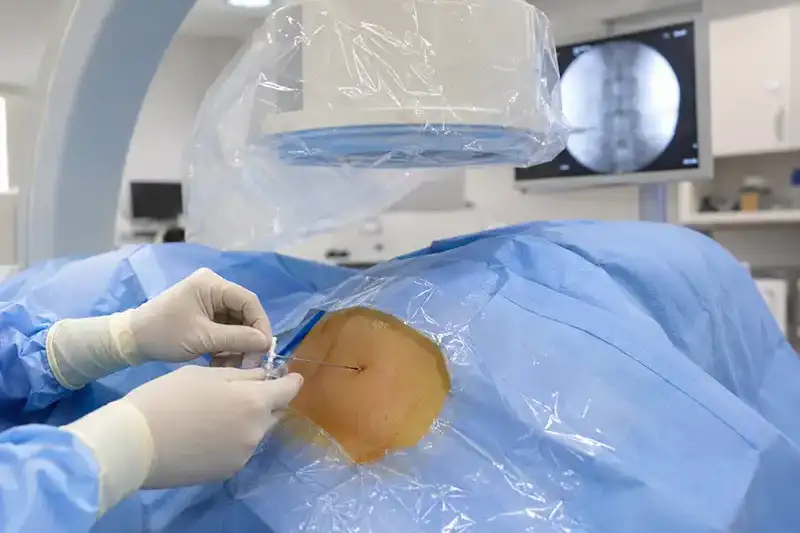
Where nucleoplasty reduces pressure from within the disc, percutaneous discectomy removes the herniated disc material that is pressing on the nerve directly. Using live imaging guidance, Dr. Woska accesses the affected disc through a small tube placed through the skin, with a small incision and no significant disruption to the surrounding muscles or tissue. Specialized instruments are passed through that access point to remove the disc material responsible for your symptoms.
Throughout the procedure, Dr. Woska monitors progress in real time to confirm that the nerve is being adequately decompressed before anything is withdrawn. The entire procedure typically takes under an hour, and you return home the same day.
Percutaneous discectomy is well-suited for disc herniations that have not responded to conservative care but do not require the more extensive access of traditional open surgery. Because the surrounding tissue is left largely undisturbed, recovery is considerably shorter and more comfortable than it would be following a conventional surgical approach. At Shore Spine & Pain in Lakewood and Shrewsbury, NJ, Dr. Woska will determine whether this approach is appropriate for your specific disc, its location, and the degree of nerve compression involved.
Endoscopic Discectomy
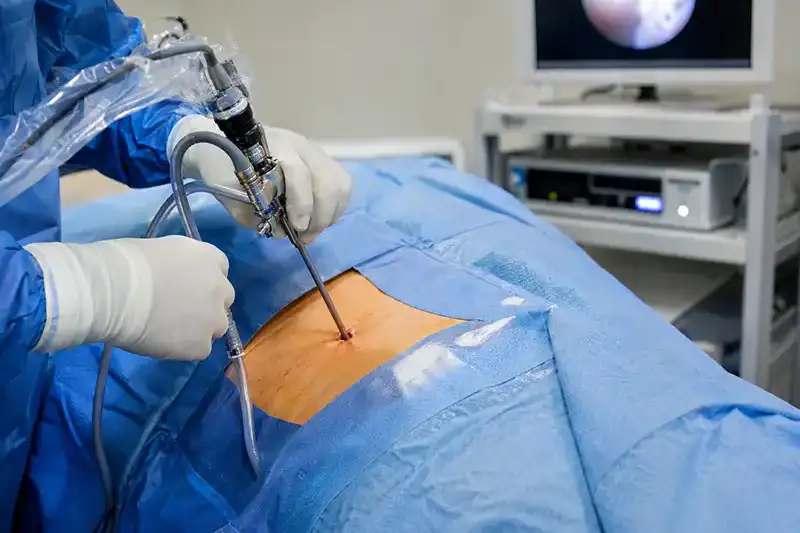
Endoscopic discectomy is the most direct of the three approaches Dr. Woska offers at Shore Spine & Pain. Through a small incision under one centimeter, a thin camera and surgical instruments are introduced simultaneously, giving Dr. Woska a clear, magnified, real-time view of the affected area. This means the same level of precision as traditional open surgery, through a fraction of the access.
Once the endoscope reaches the affected disc level, Dr. Woska removes the herniated material under direct visualization and confirms that the nerve is fully decompressed before the instruments are withdrawn. The incision is closed with a single suture or small adhesive strip, and you go home the same day.
This approach is particularly well-suited for larger herniations, recurrent disc problems, or cases where previous treatment has left scar tissue around the nerve root. It can access a wide range of levels in both the lumbar spine, making it a versatile option when other minimally invasive techniques are not the right fit. Recovery is somewhat longer than with nucleoplasty or percutaneous discectomy, but substantially shorter and more comfortable than traditional open surgery.
Across all three approaches, you go home within a few hours of completing your procedure at Shore Spine & Pain, with no overnight hospital stay required.
If you are living with disc-related nerve pain and want to understand which treatment option is right for your situation, the team at Shore Spine & Pain is here to help. Contact us today to schedule a consultation at one of our New Jersey locations in Lakewood or Shrewsbury and get started on a path toward lasting relief.
What To Expect After a Discectomy

Recovery is generally well-tolerated, though timelines and restrictions vary based on the technique used and the extent of what was addressed. Soreness at the access site is expected in the first several days. Some people notice a brief flare of radiating symptoms following the procedure as the affected nerve root adjusts to decompression. That pattern is recognized and does not indicate a problem with the outcome. Most people see meaningful improvement in arm or leg symptoms within the first 1 to 2 weeks, with continued gradual progress over the following month.
Activity restrictions typically include avoiding heavy lifting, prolonged sitting, and repetitive bending during the initial recovery window. Specific guidance is tailored to the procedure performed and your occupation and daily demands. Nucleoplasty and percutaneous discectomy allow a return to light activity within several days to a week. Endoscopic discectomy carries a longer initial restriction period, with most people returning to light activity within 1 to 2 weeks and to more demanding activities within four to six weeks.
Follow-up appointments are scheduled at Shore Spine & Pain at defined intervals, and you are encouraged to contact the practice promptly if you notice unexpected increases in pain, new neurological symptoms, or any signs of infection at the access site. Dr. Woska and the team in Lakewood and Shrewsbury, NJ, are available throughout your recovery to answer questions and adjust your care plan as needed.
Frequently Asked Questions about Discectomy
Am I a candidate for a discectomy?
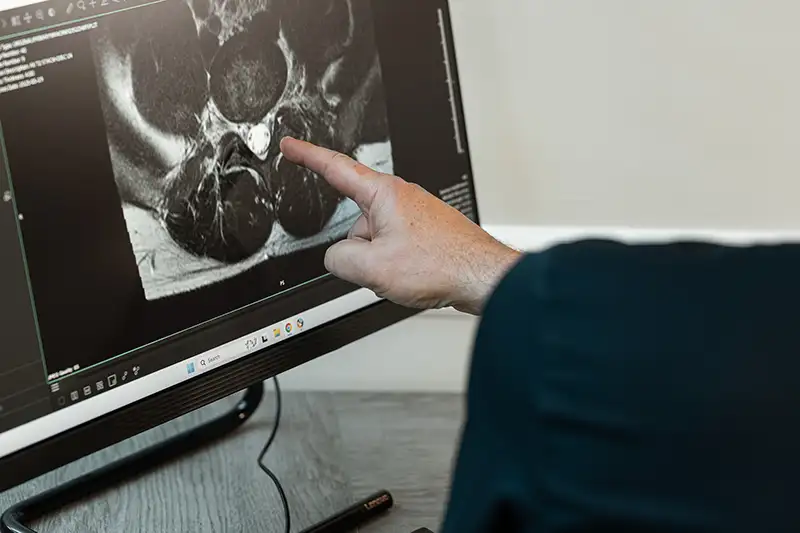
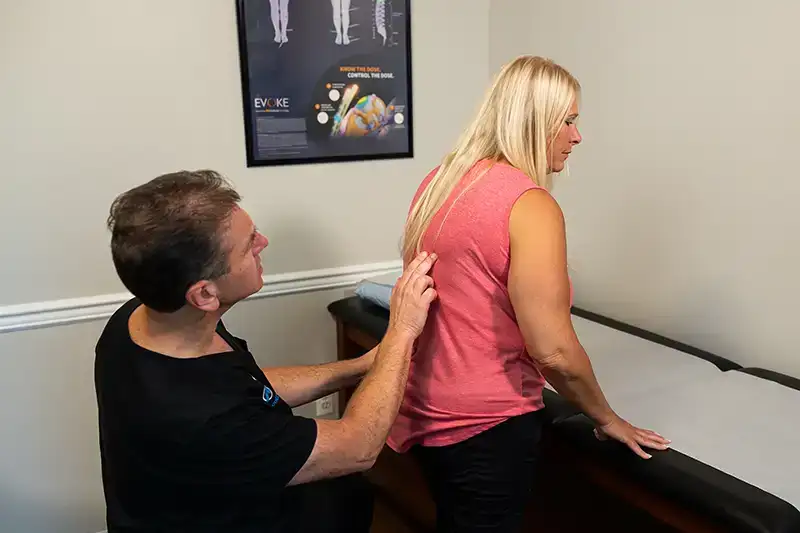
Dr. Woska reviews your symptom history, physical examination findings, and imaging, typically MRI, to assess the type, size, and location of the disc issue. Those most commonly considered are people who have not obtained lasting relief from conservative treatments, or whose neurological symptoms, including weakness, sensory changes, or radiating pain, have been progressing rather than stabilizing. The best way to find out is through a consultation at Shore Spine & Pain in Lakewood or Shrewsbury, NJ, where Dr. Woska can review your specific situation in full.
How is minimally invasive discectomy different from traditional open surgery?
Open discectomy involves a formal incision and significant muscle retraction to reach the spine. The minimally invasive approaches performed at Shore Spine & Pain accomplish the same decompression through access points measured in millimeters, guided by real-time imaging. That difference translates into less post-procedure discomfort, lower complication risk, no hospital stay, and a recovery measured in weeks rather than months.
Is a discectomy the same as spinal fusion?
No. Discectomy removes the disc material pressing on a nerve. Minimally invasive spinal fusion permanently joins vertebral bodies together to stabilize a spinal segment. The discectomy procedures at Shore Spine & Pain are specifically designed to decompress the affected nerve while preserving the spine’s natural structure and mobility. Fusion is not a component of these procedures, though Dr. Woska will discuss it if your situation warrants that conversation.
How long will recovery take?
Nucleoplasty and percutaneous discectomy allow a return to light activity within several days to a week. Endoscopic discectomy involves a longer initial restriction period, with most people returning to light activity within 1 to 2 weeks and more physically demanding activity within 4 to 6 weeks. Those timelines vary depending on the procedure performed, the extent of the disc issue, and your baseline health and daily demands. Dr. Woska reviews a personalized recovery plan with you before the procedure at Shore Spine & Pain.
Is there a risk that the herniation comes back?
Recurrence is possible but not common. The risk depends on how degenerated the disc was at the time of treatment, which technique was used, and how well activity restrictions are followed during recovery. Minimally invasive approaches that preserve the disc’s outer structure carry a lower recurrence profile than open procedures involving more extensive disc removal. If you have questions about long-term outcomes following a discectomy, Dr. Woska can address them directly during your consultation.