What is Spinal Cord Stimulation?
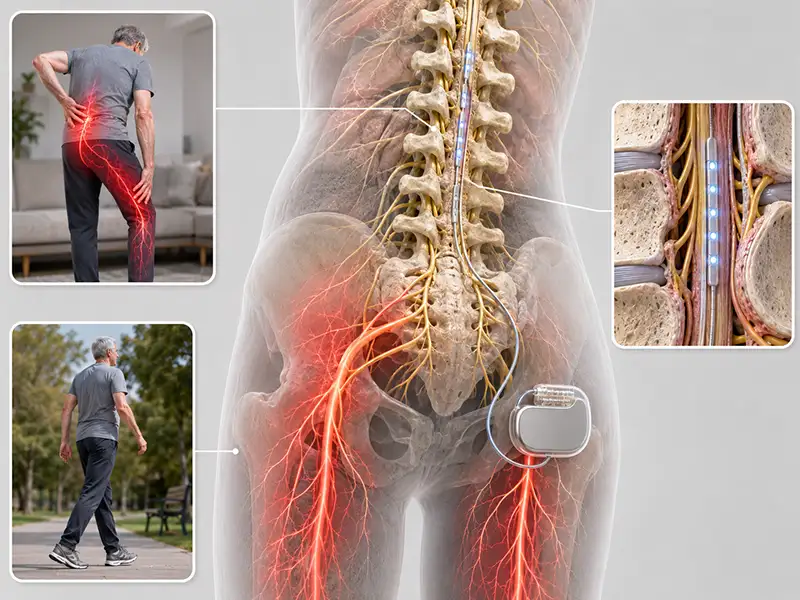
Spinal cord stimulation, commonly referred to as SCS, is a treatment that uses small electrical pulses delivered near the spinal cord to reduce or block pain signals before they reach the brain. The system has three main parts: one or more thin wire leads placed in the space surrounding the spinal cord, a small pulse generator implanted under the skin, and a handheld remote you use to control stimulation settings.
SCS does not repair the physical source of pain. Instead, it changes the way the nervous system processes pain, making it less intense or, in some cases, undetectable. With older stimulation settings, many people report a mild tingling sensation in place of their pain. Newer programming options, including high-frequency and burst stimulation modes, can provide significant relief with no sensation at all.
One of the most important features of SCS is that it is reversible. The device can be adjusted, turned off, or removed if it stops working or if your needs change. The procedure does not alter the spine itself, which means other treatments remain available if needed.
If you are living with chronic pain in the Lakewood or Shrewsbury, NJ area and have not found lasting relief through other treatments, Shore Spine & Pain can help you determine whether spinal cord stimulation is the right next step.
Why is Spinal Cord Stimulation Performed?
At Shore Spine & Pain, Dr. Woska recommends spinal cord stimulation when chronic pain has not improved adequately with other treatments and a documented history of prior care supports moving to a more advanced option. SCS is not a first-line treatment, but for the right candidates, it offers a level of relief that other approaches have not been able to deliver.
Conditions Dr. Woska commonly treats with spinal cord stimulation include:
- Failed Back Surgery Syndrome: One of the most common reasons SCS is recommended. When back and leg pain persists after one or more spinal surgeries, SCS has been shown in clinical research to outperform repeat surgery and long-term medication management in appropriately selected cases.
- Complex Regional Pain Syndrome: A condition that responds particularly well to SCS, especially when it affects the arms or legs and produces the intense burning pain characteristic of the disorder.
- Chronic Radiculopathy: When radiating nerve pain from conditions such as sciatica or herniated disc has not resolved after injections or decompressive procedures, SCS can interrupt the pain signals that prior treatments were unable to reach.
- Painful Peripheral Neuropathy: For those experiencing chronic limb pain from nerve damage, SCS offers a way to modulate those signals when conventional treatments have fallen short.
- Refractory Angina: In select cases involving severe treatment-resistant chest pain related to heart disease, SCS has demonstrated benefit when other options are not appropriate.
Because SCS includes a trial phase before any permanent device is placed, you and Dr. Woska can evaluate how well it works for your specific situation before committing to the full implant. That trial period is one of the things that sets SCS apart from most surgical options and is a standard part of how we approach the process at Shore Spine & Pain.
How is Spinal Cord Stimulation Performed?
Spinal cord stimulation at Shore Spine & Pain is carried out in two stages. The first is a trial period that lets you and Dr. Woska evaluate how well the treatment works for your specific pain before any permanent decision is made. If the trial is successful, a permanent implant procedure follows.
Step 1: Testing Whether SCS Is Right for You
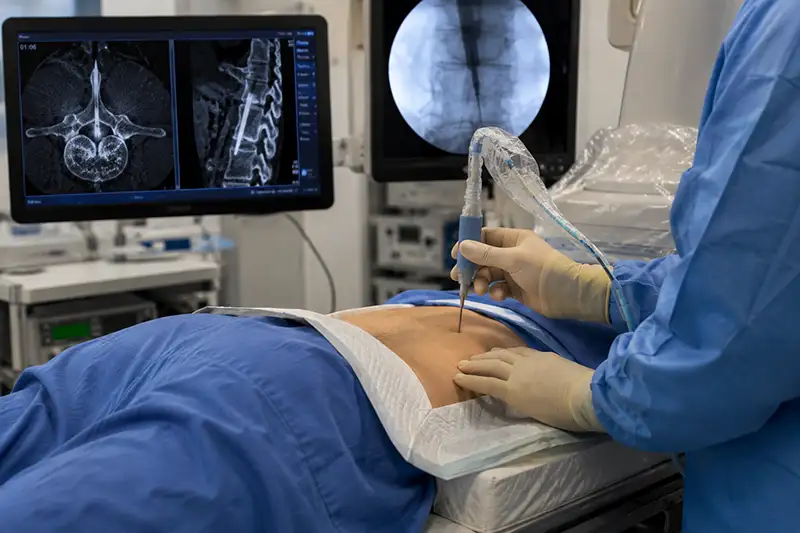
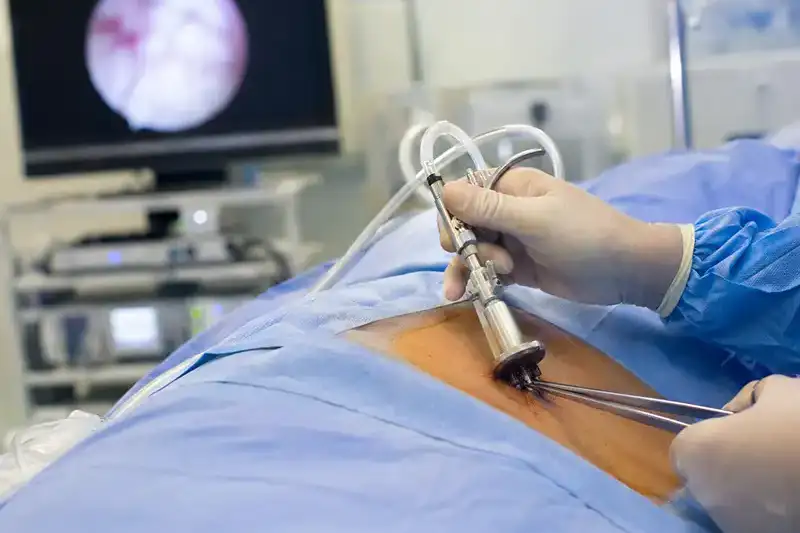
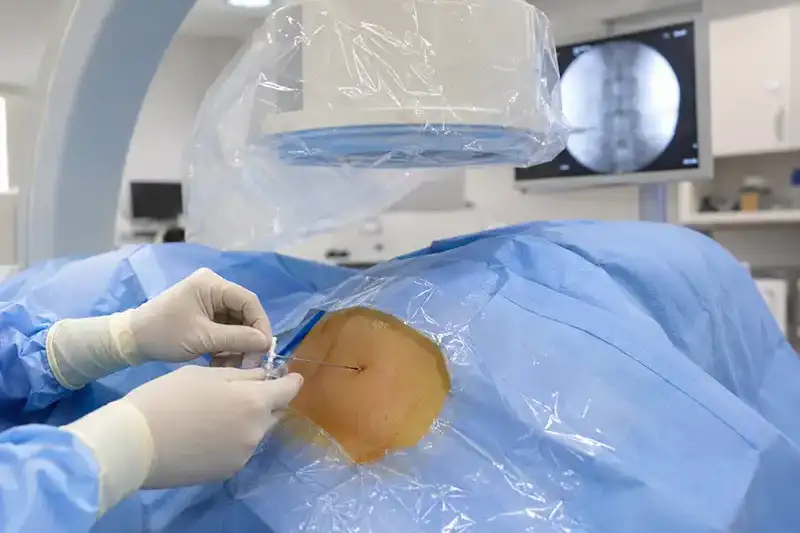
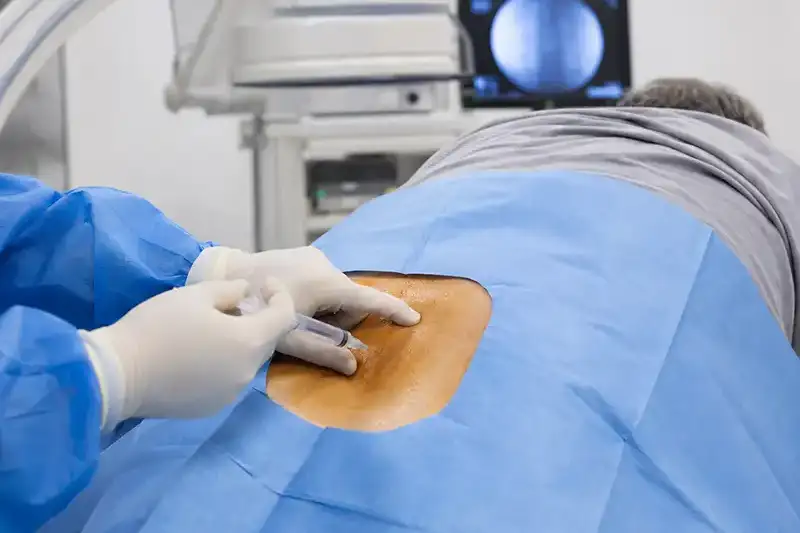
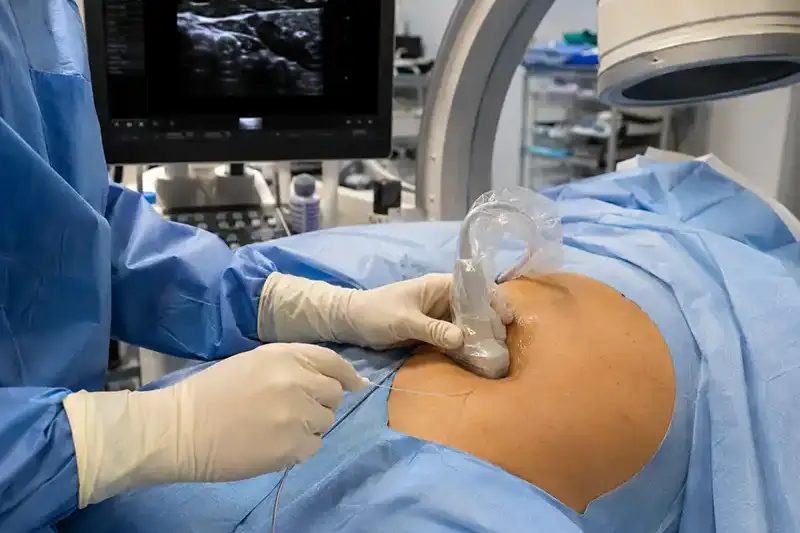
You will be positioned face down on a procedure table at Shore Spine & Pain, and a local anesthetic is applied to numb the treatment area. Light sedation is available for comfort. Using live X-ray imaging, Dr. Woska guides one or more thin, flexible leads into the epidural space and positions them at the appropriate level of the spinal cord.
During lead placement, you will be awake enough to provide feedback. Dr. Woska delivers gentle stimulation through the leads and asks whether it reaches the area where your pain is felt. That real-time input is what allows the leads to be placed with precision. Once correctly positioned, the leads are secured to the skin and connected to a small external stimulator you wear on a belt and control yourself.
The trial period lasts 7 to 10 days. During that time, you go about your normal routine while keeping track of your pain levels and how well you are functioning day to day. A pain reduction of 50% or more is generally considered a successful result. At the end of the trial, you and Dr. Woska review the outcome together and decide whether to move forward with the permanent implant.
Step 2: Making the Relief Permanent
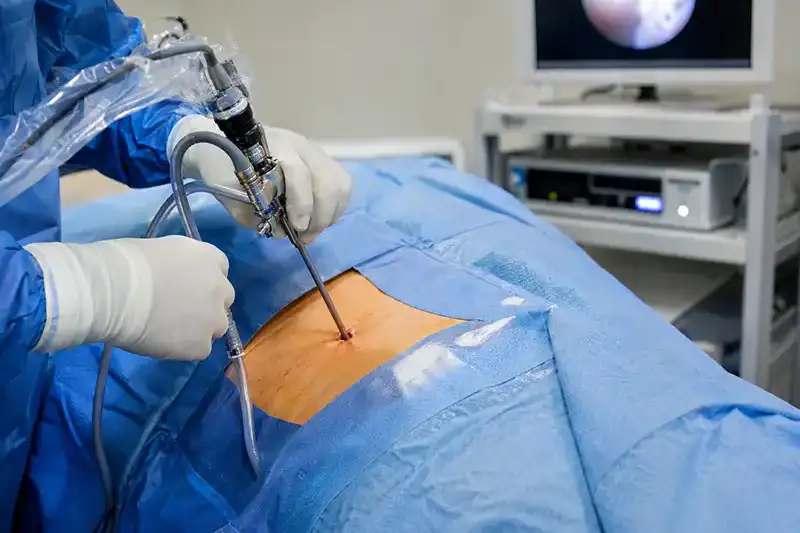
If the trial demonstrates meaningful relief, you return to Shore Spine & Pain for permanent implantation, usually within a few weeks. The leads are placed at the same spinal level using the same approach. A small pulse generator, roughly the size of a stopwatch, is then implanted just beneath the skin, typically near the lower back or flank, and connected to the leads.
The procedure is performed under sedation and takes 1 to 2 hours. Most people go home the same day. Before leaving, Dr. Woska reviews the stimulation settings with you and the team provides detailed instructions for recovery. Programming appointments are scheduled to fine-tune the device in the weeks that follow, ensuring your settings are optimized as your recovery progresses. If you are living with failed back surgery syndrome or another chronic pain condition that has not responded to prior treatment, spinal cord stimulation may be worth exploring.
What To Expect After Spinal Cord Stimulation
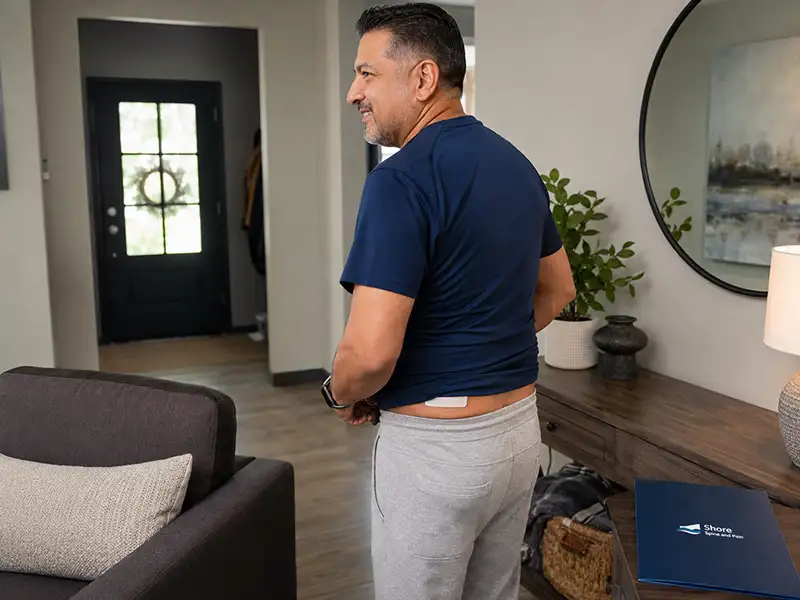
The recovery period after permanent implantation requires some temporary restrictions to give the leads and the generator site time to heal. For 4 to 6 weeks, bending, twisting, and lifting more than five pounds should be avoided. These limits are in place to prevent the leads from shifting before they have settled into position. Light daily activities can usually be resumed within a few days, and returning to more demanding physical work or exercise requires clearance from Dr. Woska.
Some soreness at the implant sites is expected for 1 to 2 weeks, and minor swelling or bruising near the generator pocket is common in the first few days. Discomfort is typically mild and manageable with over-the-counter pain relievers. A follow-up visit is scheduled within the first 1 to 2 weeks at Shore Spine & Pain to check on healing and begin adjusting the stimulation settings.
Programming the device is an ongoing process. As you use the system in daily life, our team refines the stimulation patterns based on what provides the most relief. For some people, this process takes several months, particularly as the nervous system adjusts and your pain patterns become better understood.
Most current SCS devices are MRI-conditional, meaning certain MRI scans can be performed safely under specific conditions set by the device manufacturer. Not all scans are permitted, and the rules depend on the scanner type, the body area being imaged, and the specific device model. Always check with Dr. Woska at Shore Spine & Pain before scheduling any MRI following implantation.
Battery life depends on the type of generator Dr. Woska recommends for your situation. Rechargeable systems can last ten years or more with regular charging. Non-rechargeable systems typically need replacement every 3 to 5 years, which is a straightforward outpatient procedure at Shore Spine & Pain. The leads themselves rarely require replacement, and our team monitors device performance at your follow-up appointments to stay ahead of any changes. Spinal cord stimulation is one of several minimally invasive treatment options Dr. Woska offers for patients managing chronic back and spine pain that has not responded to conservative care.
Frequently Asked Questions about Spinal Cord Stimulation
Who is a good candidate for spinal cord stimulation?
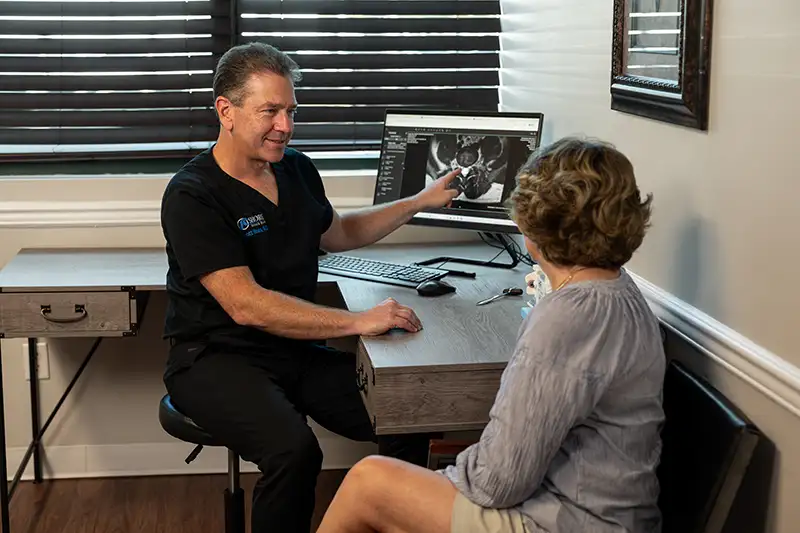
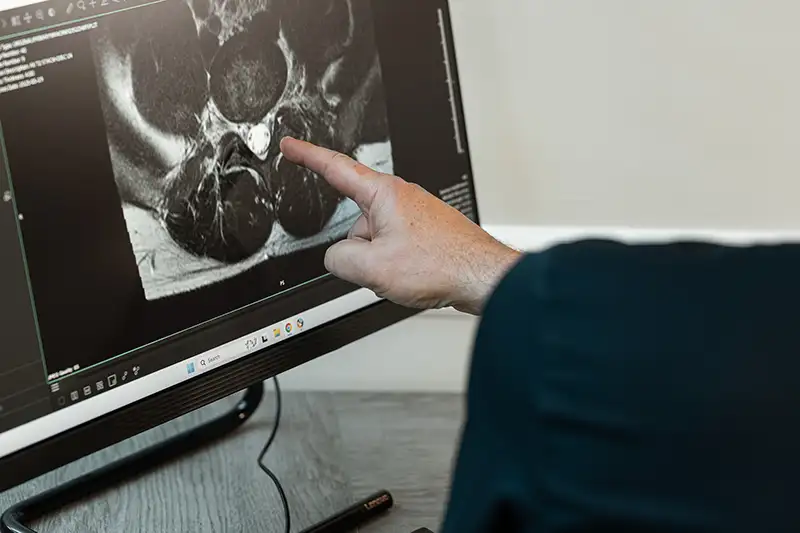
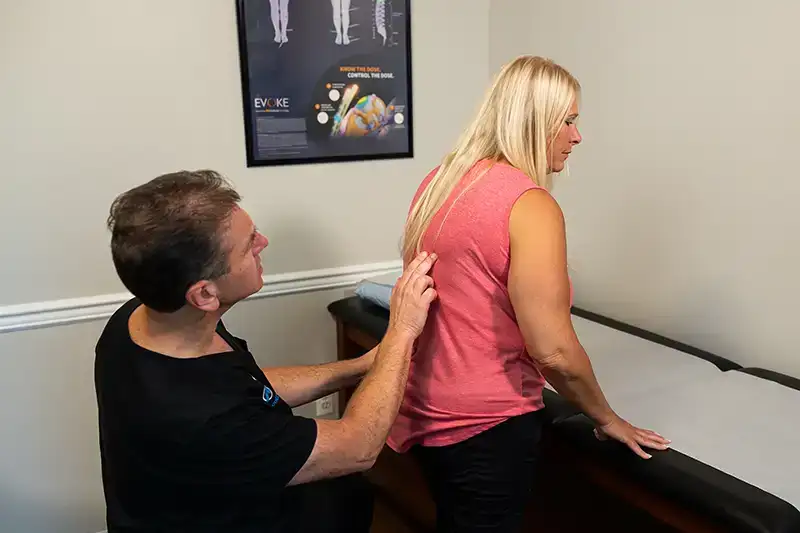
SCS is best suited for those with chronic neuropathic or radicular pain that has not improved enough after at least 6 months of conservative treatment. At Shore Spine & Pain, candidacy is determined through a full evaluation that includes a review of prior treatments and imaging, a physical examination, and a psychological assessment. You need to be medically stable for an implant procedure and free of conditions that could interfere with safe placement, such as active infection or a bleeding disorder. The presence of a pacemaker or certain other implanted devices may also affect eligibility and require additional review. Dr. Woska will walk through all of these factors with you during your consultation.
What does spinal cord stimulation actually feel like?
That depends on the type of stimulation being used. With traditional low-frequency settings, most people feel a mild tingling sensation in the area where their pain is located, which many find preferable to the pain itself. With newer high-frequency and burst stimulation modes, there is often no sensation at all, just a reduction in pain. Stimulation intensity and pattern can be adjusted using the handheld controller, and settings are refined over time at Shore Spine & Pain based on what works best for your specific situation.
Is spinal cord stimulation painful to undergo?
The trial procedure involves some pressure and brief discomfort as the needle enters the epidural space and the leads are positioned, but local anesthesia is used throughout and most people tolerate it well. Light sedation is also available. Because you need to be awake during lead placement to provide feedback on stimulation coverage, full sedation is not used during that portion. The discomfort involved is generally short-lived. Permanent implantation is performed under deeper sedation and is comfortable throughout. Some soreness at the implant sites is expected for about 1 to 2 weeks afterward and is usually manageable without prescription pain medication.
Will spinal cord stimulation eliminate my pain entirely?
Complete pain elimination is not the expected outcome for most people. The goal of SCS is a meaningful reduction in pain, generally 50% or more, along with better physical function and less reliance on pain medications. Many people find they can return to activities they had given up, sleep more consistently, and reduce or stop taking opioids. Results vary depending on the diagnosis, how long the pain has been present, and how well the stimulation can be programmed to cover your specific pain area. Dr. Woska discusses realistic expectations during your consultation at Shore Spine & Pain in Lakewood or Shrewsbury, NJ.
What happens if spinal cord stimulation does not work for me?
The trial phase exists specifically to answer this question before any permanent commitment is made. If the trial does not provide enough relief, the leads are simply removed at the end of the trial period and no permanent device is placed. The spine is not altered in any way, and all other treatment options remain fully available. If the permanent system is implanted and becomes less effective over time, Dr. Woska can adjust the stimulation settings to restore relief, and our team at Shore Spine & Pain schedules regular follow-up appointments specifically to monitor your response and make those adjustments as needed. If the device no longer helps, it can be removed through a straightforward outpatient procedure at Shore Spine & Pain in Lakewood or Shrewsbury, NJ, without affecting the spine or limiting future treatment choices.