What is Peripheral Nerve Stimulation?
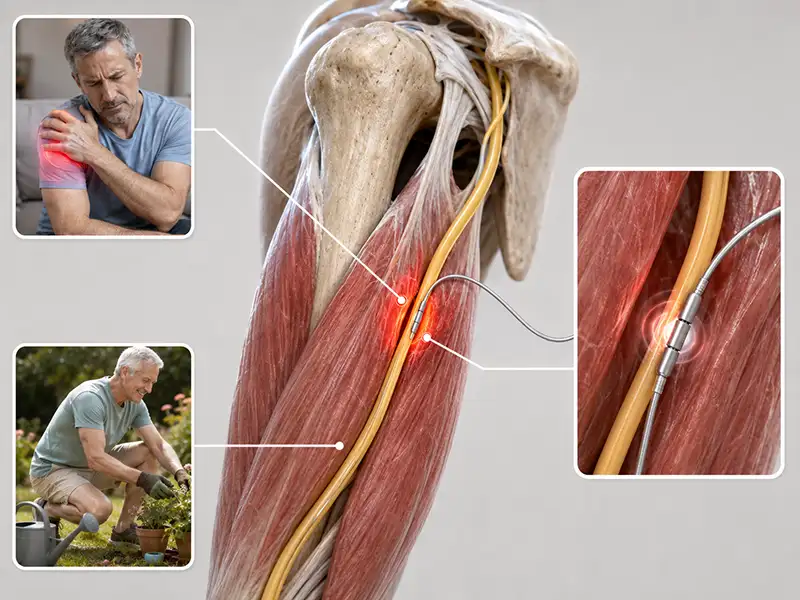
Peripheral nerve stimulation (PNS) is a minimally invasive procedure in which a small wire lead is placed near a targeted nerve to interrupt pain signals before they reach the brain. While spinal cord stimulation works at the level of the spine, PNS targets nerves in the arms, legs, face, trunk, or other areas of the body away from the spinal canal. This makes it particularly useful for pain that is localized to a specific region and has not responded to other treatments.
The treatment works by sending low-level electrical pulses along the nerve, interfering with the way pain signals travel through the nervous system. Some people feel a mild tingling sensation in the treated area. Others receive stimulation at a level too low to feel consciously, but that still reduces pain effectively. Either way, the goal is the same: less pain, more function, and a better quality of daily life.
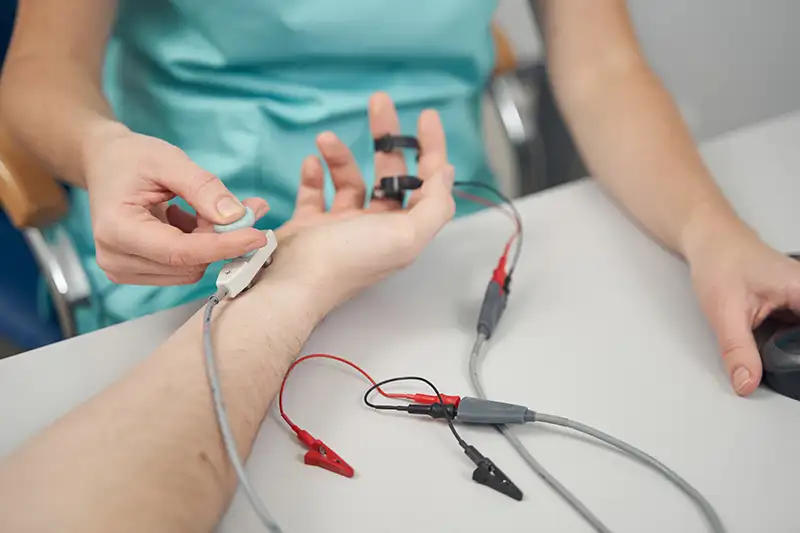
The system has two main components: a thin lead placed near the target nerve, and a small pulse generator that powers the stimulation. During the initial trial, the generator is worn externally. If you move forward with permanent treatment, the generator is implanted under the skin. A small handheld controller lets you make day-to-day adjustments within the settings Dr. Woska establishes, giving you an active role in managing your relief.
At Shore Spine & Pain in Lakewood and Shrewsbury, NJ, Dr. Woska works with you throughout the entire process, from initial evaluation through programming and long-term follow-up, to ensure the treatment continues to work the way it should.
Why is Peripheral Nerve Stimulation Performed?
At Shore Spine & Pain, Dr. Woska recommends peripheral nerve stimulation when chronic nerve-related pain has not responded adequately to conservative care, including medications and nerve block injections, and when the pain can be traced to a specific peripheral nerve or group of nerves.
Conditions commonly treated with PNS at Shore Spine & Pain include:
- Complex Regional Pain Syndrome (CRPS): Persistent and often severe pain in a limb following injury or surgery, frequently accompanied by sensitivity, swelling, and changes in skin temperature or color.
- Post-Surgical Nerve Pain: Chronic nerve pain that develops or persists at a surgical site long after the expected recovery period.
- Nerve Damage Following Trauma: Pain resulting from injury to a peripheral nerve that has not resolved with conservative care.
- Occipital Neuralgia: Chronic pain originating at the base of the skull and radiating through the back of the head, often described as sharp, shooting, or electric.
- Peripheral Neuropathy: Chronic pain, burning, or numbness in the hands or feet caused by nerve damage that has not responded to medication or other treatments.
- Chronic Knee Pain: When pain has a confirmed nerve-related component involving the genicular nerves, PNS can provide targeted relief without surgery.
- Shoulder Pain With Nerve Involvement: When shoulder pain is driven by an identifiable peripheral nerve rather than structural joint damage, PNS offers a precise alternative to more invasive options.
Because the procedure does not involve the spine, PNS is an option for those who are not candidates for spinal cord stimulation or who have tried it without adequate relief. In all cases, a trial period is completed before any permanent device is implanted, giving you and Dr. Woska the information needed to make a confident decision together.
How is Peripheral Nerve Stimulation Performed?
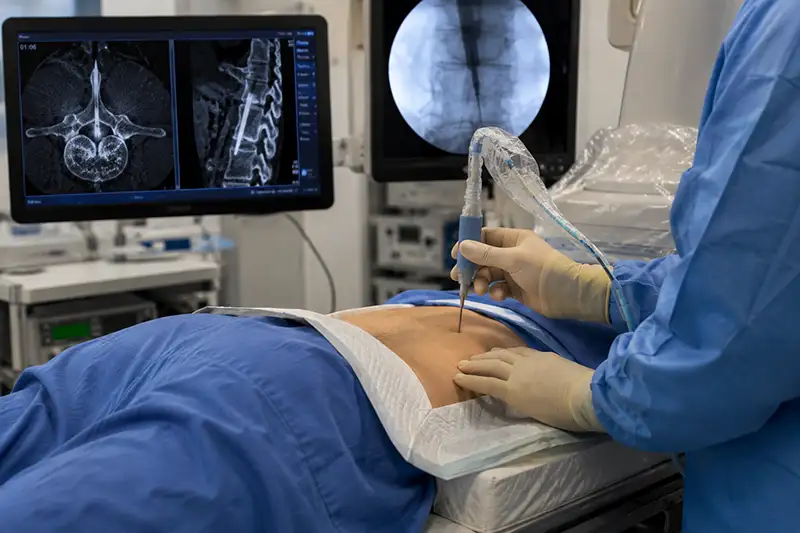
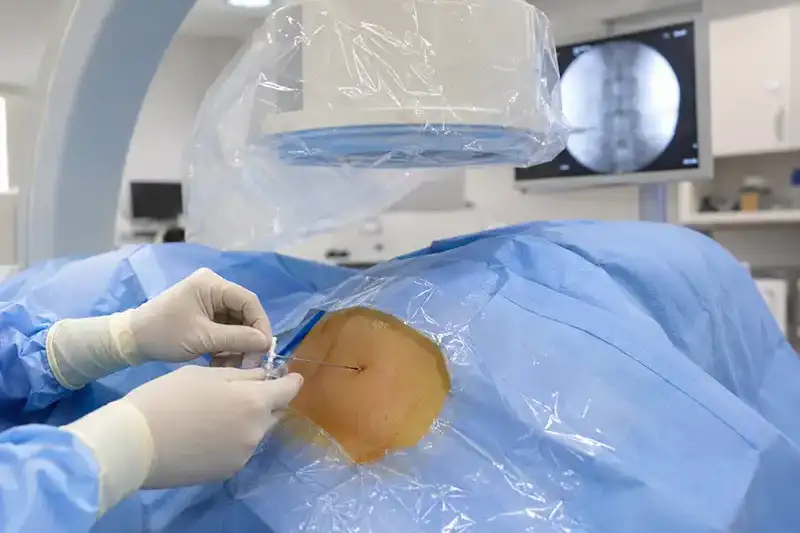
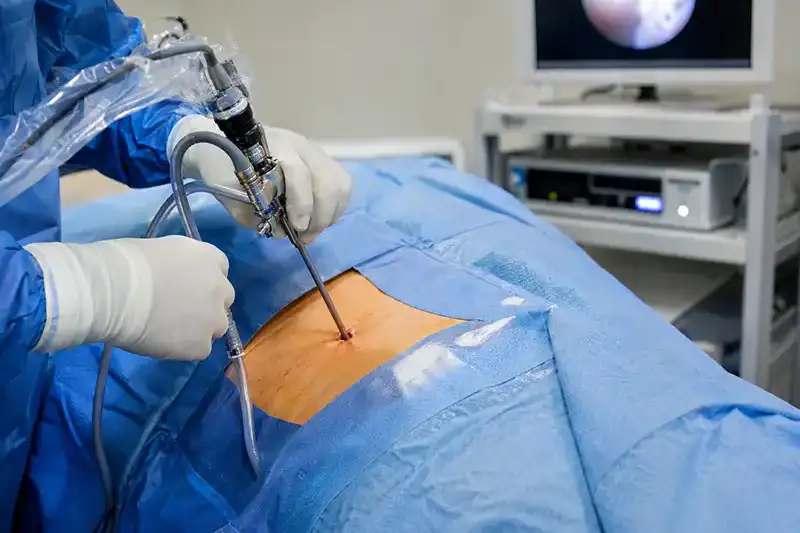
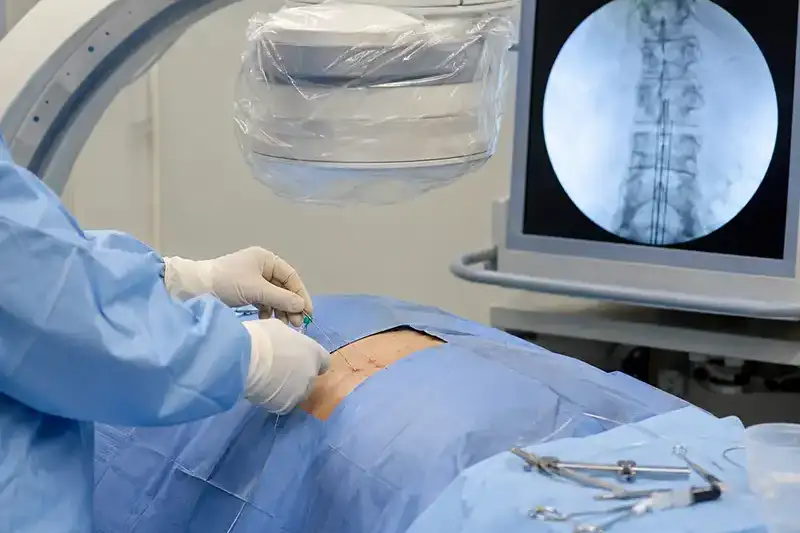
What sets PNS apart from other neuromodulation procedures is both where it works and how it is confirmed to work before any permanent commitment is made. Rather than targeting the spine, a thin wire lead is placed directly alongside the specific peripheral nerve responsible for your pain, guided by live imaging, either fluoroscopy or ultrasound, to ensure precise positioning. Once in place, it connects to a small external generator you wear during the trial period.
The trial runs for 7 to 14 days. During that window, you continue your normal routine while keeping track of your pain levels, sleep quality, and daily function. This is not a passive waiting period. It is an active evaluation that gives both you and Dr. Woska real-world data about how well the stimulation is working for your specific nerve and your specific pain.
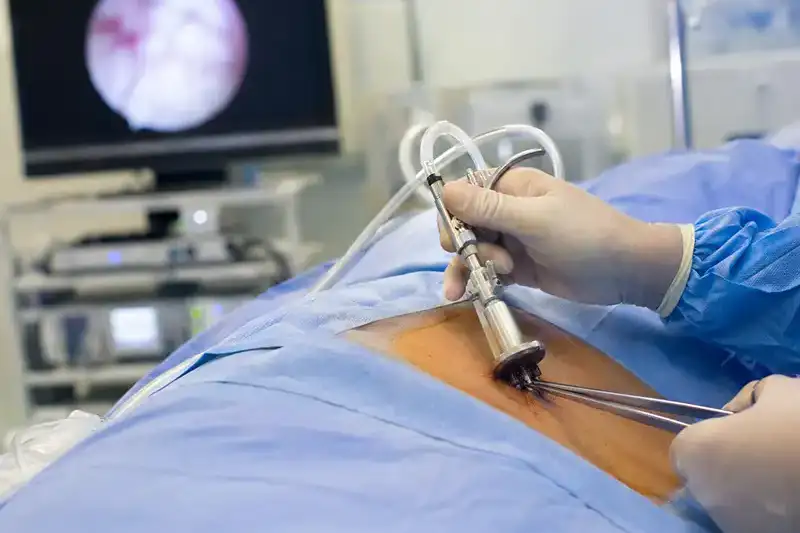
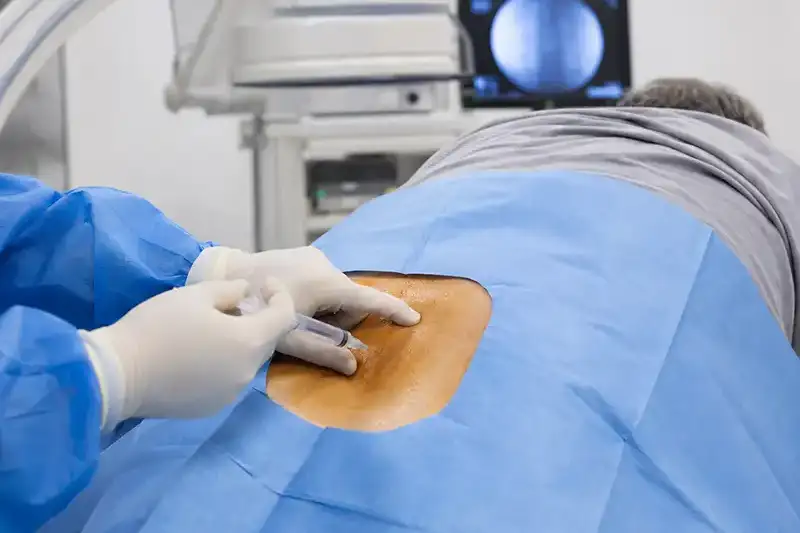
At the end of the trial, Dr. Woska reviews your experience in full. A pain reduction of around 50% or more is the general benchmark for a successful outcome, but improvements in function and quality of life carry equal weight in that conversation. If the trial confirms that PNS is working, permanent implantation is scheduled as a follow-up outpatient procedure at Shore Spine & Pain. The lead is anchored in place and connected to a pulse generator implanted just beneath the skin, positioned for comfort and, where applicable, ease of recharging. Local anesthesia is used throughout and light sedation is available. General anesthesia is not required.
At Shore Spine & Pain in Lakewood and Shrewsbury, NJ, Dr. Woska remains involved at every stage, from trial placement through permanent implantation and long-term programming, ensuring the device continues to deliver the relief it was designed to provide.
What To Expect After Peripheral Nerve Stimulation
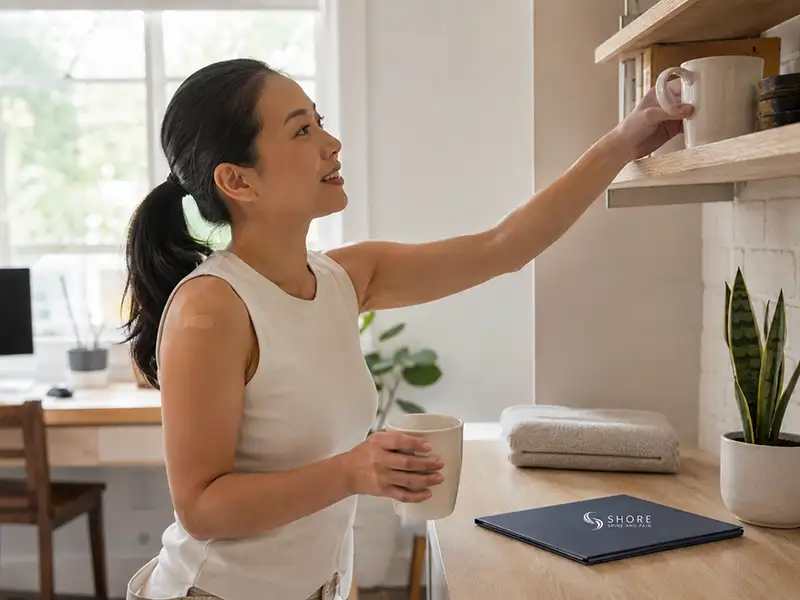
After the trial lead is placed, you go home the same day. Some soreness at the insertion site is normal and usually fades within a few days. During the trial period, heavy lifting, bending, and twisting should be avoided to keep the lead from shifting out of position. Most regular daily activities are fine to continue with those precautions in place. Our team at Shore Spine & Pain stays in contact throughout the trial to answer any questions about the device or how it feels.
Recovery after permanent implantation follows a similar pattern. Light activity is usually possible within a few days, and most people are back to their normal routine within 2 to 4 weeks. Some tenderness at the incision site and around the generator is expected while the tissue heals and improves steadily over the first few weeks.
After the permanent device is in place, stimulation settings are adjusted over time. The settings used at implantation are a starting point, and Dr. Woska refines them at follow-up appointments based on how you are responding. A handheld controller or smartphone app lets you make small adjustments on your own between visits.
At Shore Spine & Pain, Dr. Woska schedules regular follow-up visits to check device function and monitor your pain relief over time, adjusting stimulation settings as needed to keep the system performing at its best. Rechargeable pulse generators are built to last ten years or more before needing replacement, and leads rarely require attention if the device is working properly.
Before scheduling any imaging study after your implant, let our team at Shore Spine & Pain in Lakewood or Shrewsbury, NJ know so we can confirm whether your specific device has any MRI compatibility guidelines that need to be followed.
Frequently Asked Questions about Peripheral Nerve Stimulation
How is peripheral nerve stimulation different from spinal cord stimulation?
Both procedures use a lead and pulse generator to deliver electrical stimulation for pain relief, but they work in different parts of the body. Spinal cord stimulation places leads inside the spinal canal to target pain at the level of the spinal cord. Peripheral nerve stimulation places leads outside the spine, directly alongside specific nerves in the limbs, face, trunk, or other peripheral areas. PNS is the more appropriate choice when pain is traced to a peripheral nerve rather than a spinal pathway, and it can effectively treat areas that spinal cord stimulation does not reach as well. Dr. Woska evaluates both options during your consultation at Shore Spine & Pain to determine which is the better fit for your specific situation.
What happens during the trial, and how is the decision made to move forward permanently?
The trial lasts seven to fourteen days. A lead is placed near the target nerve and connected to a small external pulse generator you wear during that period. You track your pain levels, sleep quality, and daily activity throughout the trial. At the end, Dr. Woska reviews that information alongside your overall experience. A pain reduction of around 50% or more is generally the threshold for a successful trial, though improvements in function and daily quality of life factor into the decision as well. If the trial is successful, permanent implantation is planned as a follow-up outpatient procedure at Shore Spine & Pain.
What conditions is peripheral nerve stimulation used to treat?
PNS is primarily used for nerve-related pain that can be linked to a specific peripheral nerve. It is most commonly applied to conditions such as complex regional pain syndrome, post-surgical or post-traumatic nerve pain, occipital neuralgia, peripheral neuropathy in the hands or feet, and chronic joint pain in the knee or shoulder with a defined nerve component. It is not appropriate for every type of chronic pain and is considered only after conservative treatments have been tried without adequate relief. A consultation with Dr. Woska at Shore Spine & Pain will clarify whether PNS is the right fit for your situation.
Will I feel the stimulation during normal daily activity?
Not necessarily. Some stimulation settings produce a mild tingling or buzzing sensation in the area of the treated nerve. Other settings operate at a level below conscious awareness while still reducing pain effectively. This approach, called sub-perception stimulation, has become widely used because many people find it more comfortable and it does not require the sensation to overlap precisely with the painful area. Dr. Woska programs the device and works with you to find the settings that provide the best relief with the least disruption to daily life.
Is the implant reversible if it stops working or I no longer need it?
Yes. PNS is considered a reversible procedure. If the device no longer provides adequate benefit, if your condition changes, or if a complication arises, the lead and pulse generator can be removed or revised. Some systems use temporary leads made from materials that dissolve on their own over approximately 60 days, which are an option when shorter-term stimulation is the goal and a permanent implant is not needed. For those with a permanent system, the pulse generator will eventually need to be replaced due to normal battery wear, typically after ten or more years depending on usage. Dr. Woska discusses all of these factors as part of the treatment planning process at Shore Spine & Pain in Lakewood and Shrewsbury, NJ.