What is SI Joint Arthrodesis?
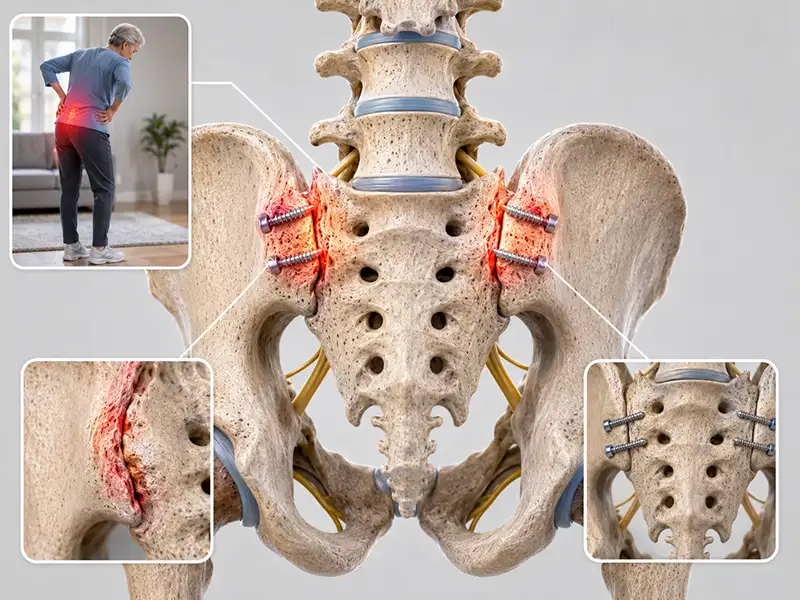
SI joint arthrodesis, also called SI joint fusion, is a minimally invasive procedure that stabilizes the sacroiliac joint by encouraging the bones to grow together and fuse over time. The sacroiliac joint connects the base of your spine to your pelvis on both sides of your lower back. It absorbs and transfers load between your upper body and your legs, and when it becomes damaged, arthritic, or unstable, it can cause persistent pain in the lower back, buttocks, hips, and upper legs.
Sacroiliac joint dysfunction is often overlooked because its symptoms can closely resemble those of lumbar disc herniation, facet joint syndrome, or hip pathology. SI joint arthrodesis treats the root cause by stopping the abnormal movement at the joint, providing a long-term solution when other treatments have not delivered lasting relief.
At Shore Spine & Pain in Lakewood and Shrewsbury, NJ, Dr. Woska performs SI joint arthrodesis as part of a comprehensive, diagnosis-driven approach to chronic SI joint pain. The procedure is considered only after a thorough evaluation confirms the SI joint as the true source of symptoms and conservative options including SI joint injections have been exhausted. If you have been living with persistent lower back, hip, or buttock pain without a lasting solution, contact us today to find out whether SI joint arthrodesis is the right next step for your situation.
Why is SI Joint Arthrodesis Performed?
SI joint arthrodesis is recommended when chronic SI joint pain has not improved with conservative treatments and is affecting your day-to-day life. At Shore Spine & Pain, Dr. Woska always begins with the least invasive appropriate option, including medications, activity modification, and SI joint injections, before considering fusion. If those options have not provided lasting relief, SI joint arthrodesis may be the right next step.
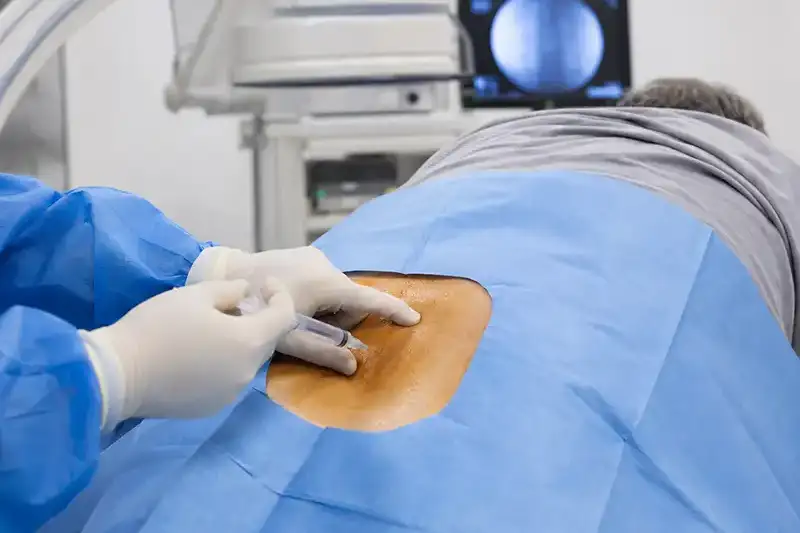
Before recommending the procedure, Dr. Woska confirms that the SI joint is actually the source of your pain. The most reliable way to do this is with a guided diagnostic injection, where a numbing medication is placed directly into the joint. If it significantly reduces your pain, it confirms the SI joint is the problem and that fusion is likely to help.
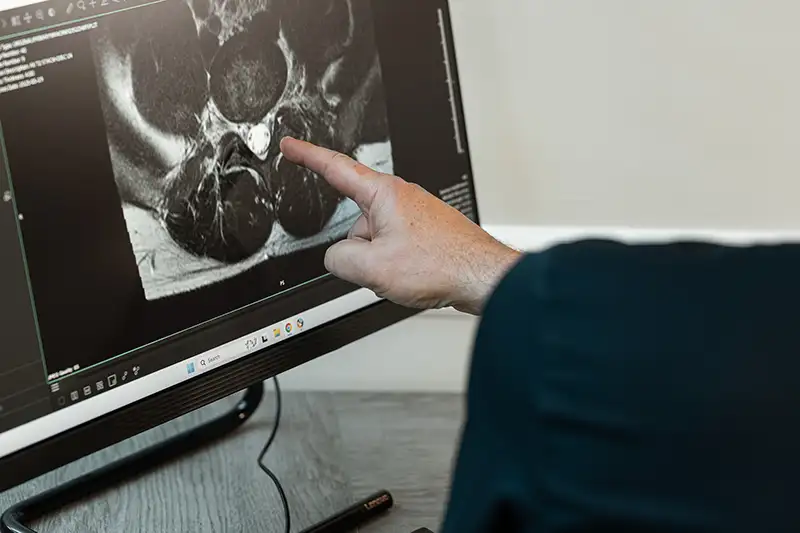
Dr. Woska will review your imaging, medical history, and the results of that injection before recommending a path forward.
How is SI Joint Arthrodesis Performed?
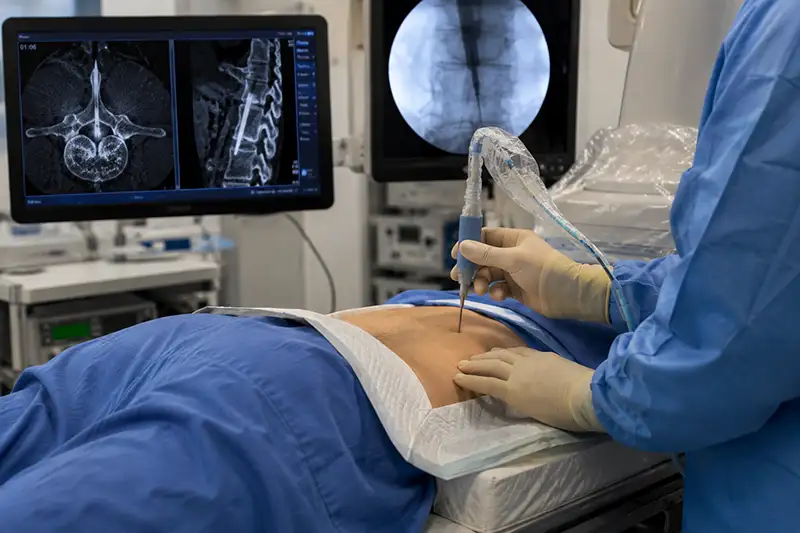
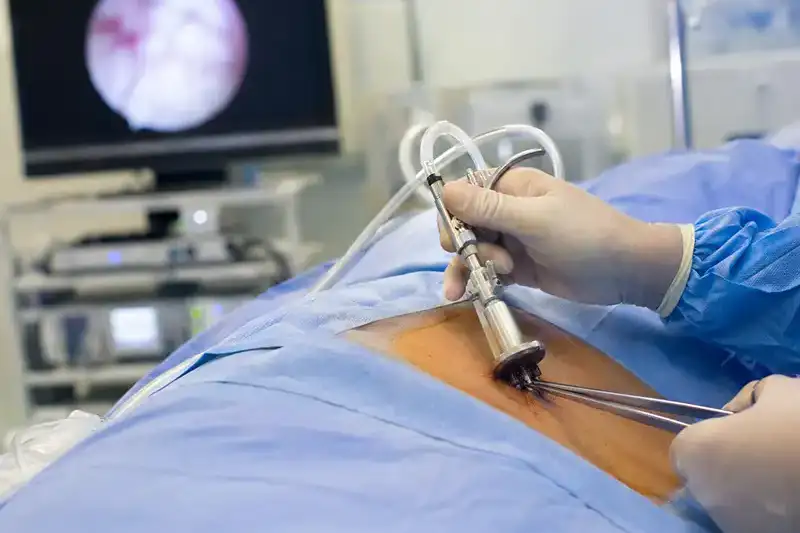
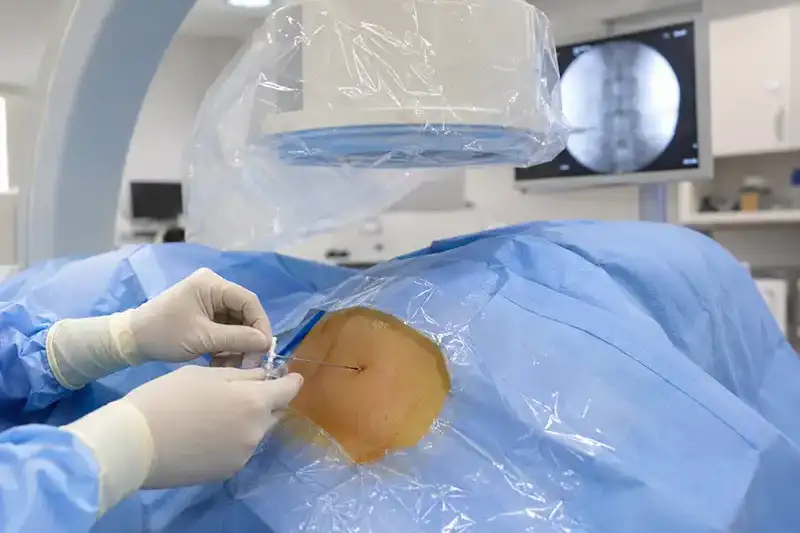
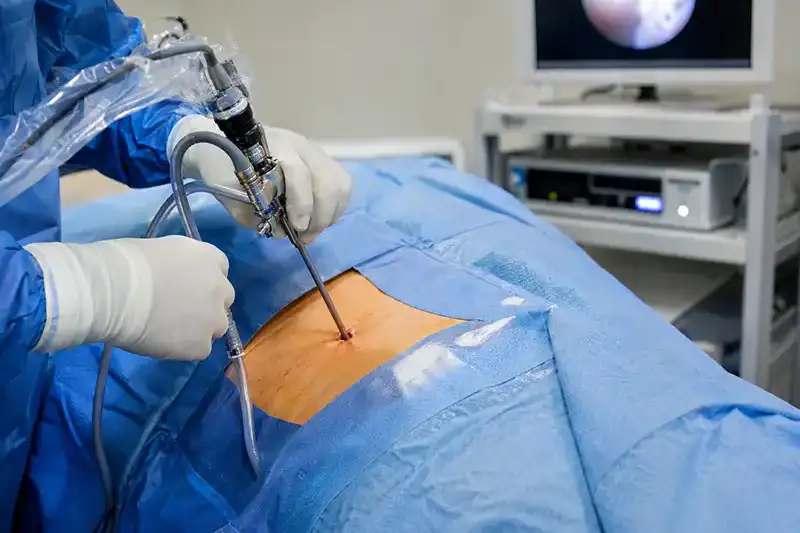
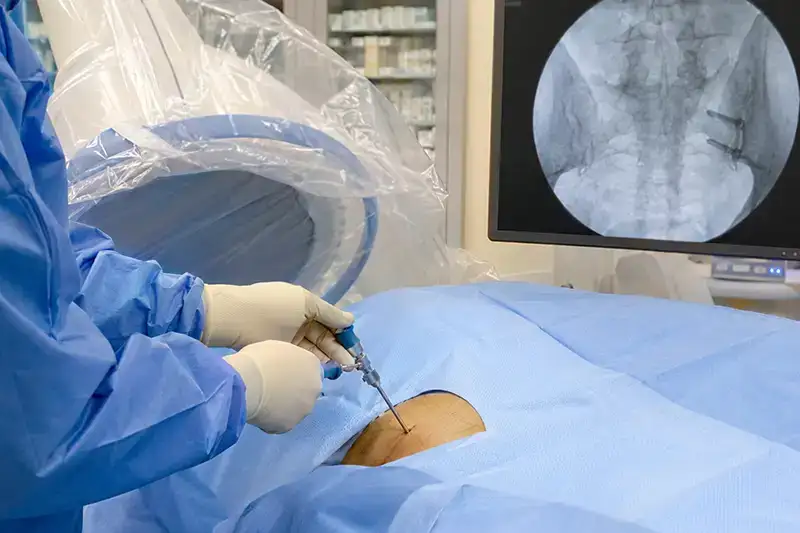
SI joint arthrodesis is a minimally invasive outpatient procedure that takes about one hour. You will be under general anesthesia or light sedation throughout. You are positioned face-down, the area is cleaned, and Dr. Woska makes a small incision, typically less than an inch, near the hip. Live X-ray imaging is used throughout to guide precise placement of the implants.
Small, triangular titanium implants are inserted across the SI joint in a specific pattern. The triangular shape locks the joint in place and prevents rotation. The surface of the implants is designed to encourage your bone to grow into them over time, which is what creates the lasting fusion. No large incisions, muscle disruption, or bone harvesting from another part of your body are required, which makes recovery faster and more comfortable than traditional open surgery.
At Shore Spine & Pain in Lakewood and Shrewsbury, NJ, Dr. Woska performs SI joint arthrodesis using a precise, imaging-guided technique that prioritizes both the accuracy of implant placement and the comfort of your recovery. If you have questions about what to expect on the day of your procedure, our team is available to walk you through every step before you arrive.
What To Expect After SI Joint Arthrodesis

Most people go home the same day or after one night in the facility. You will have some weight-bearing restrictions in the first few weeks and may use a walker or crutches while your body heals. Some soreness after the procedure is normal and is managed with medication and ice as directed.
Full fusion takes place over several months as bone grows into the implants, but many people begin feeling meaningful improvement within the first few weeks as the joint stabilizes and the source of pain is addressed. Weight-bearing restrictions are lifted gradually as healing progresses, and activity is increased in a structured way based on how your recovery is going.
Throughout your recovery, Dr. Woska and the team at Shore Spine & Pain in Lakewood and Shrewsbury, NJ are with you at every step. Follow-up visits and imaging are scheduled at defined intervals to monitor fusion progress and confirm your recovery is on track.
If you have questions between appointments or something does not feel right, our team is available and committed to making sure your outcome reflects the care that went into your procedure.
Frequently Asked Questions about SI Joint Arthrodesis
My MRI shows SI joint arthritis but my doctor says my pain might be coming from my spine. How do I know which one is actually causing my pain?
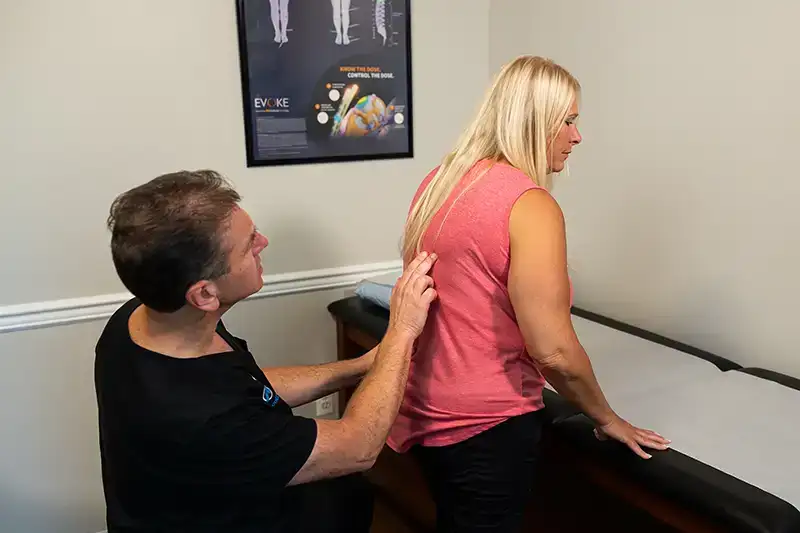
This is one of the most common diagnostic challenges in spine and pelvic pain care, and it is exactly why a careful evaluation matters. Sacroiliac joint pain and lumbar spine conditions such as degenerative disc disease and facet joint syndrome share overlapping symptoms, and imaging alone cannot confirm which structure is the source. At Shore Spine & Pain, Dr. Woska uses a combination of targeted physical examination maneuvers specific to the SI joint and a diagnostic SI joint injection to confirm whether the joint is generating your symptoms. If a precisely placed injection produces clear, temporary relief, that response identifies the SI joint as the source more reliably than any scan. That confirmation is what makes the difference between treatment directed at the right problem and treatment that is not.
I have been getting SI joint injections for two years and they keep wearing off faster. Is fusion the logical next step?
For many people, yes SI joint injections are an effective tool for managing inflammation and confirming the diagnosis, but they do not address the underlying structural instability that is generating the pain. When injections are providing good but increasingly short-lived relief, that pattern suggests the joint itself is the problem rather than localized inflammation that medication can resolve. SI joint arthrodesis eliminates the abnormal motion at the joint directly, which is what injections are not designed to do. Dr. Woska at Shore Spine & Pain evaluates the full picture, including how you have responded to prior treatment, before recommending fusion as the next step.
What does recovery from SI joint fusion actually look like in the first few weeks, and when can I expect to feel better?
Most people go home the same day or after one night in the facility. The first four to six weeks involve weight-bearing restrictions and the use of a walker or crutches while the implants begin to integrate with the surrounding bone. Some soreness is normal and is managed with medication and ice. Many people notice meaningful improvement in their pain within the first few weeks as the joint stabilizes, even before full fusion is complete. Full bone integration develops over several months, and activity is expanded gradually based on how your recovery progresses. Dr. Woska and the team at Shore Spine & Pain in Lakewood and Shrewsbury, NJ schedule follow-up visits and imaging at defined intervals to monitor your recovery and keep your progress on track.
I had lumbar fusion a few years ago and have been developing new SI joint pain since then. Is this related, and would I still be a candidate for SI joint arthrodesis?
The connection is well recognized. When one or more lumbar segments are fused, the joints below, including the SI joints, absorb compensatory forces they were not originally designed to handle. This adjacent segment stress is a common driver of SI joint pain following minimally invasive spinal fusion and is one of the most important factors Dr. Woska evaluates during a consultation at Shore Spine & Pain. Prior lumbar fusion does not disqualify you from SI joint arthrodesis. In fact, for those whose SI joint pain developed or worsened after spinal surgery, it is often among the most appropriate next steps available.
What are the realistic risks of SI joint fusion, and how does the minimally invasive approach reduce them?
As with any surgical procedure, potential risks include infection, bleeding, temporary nerve irritation, and in some cases incomplete fusion. The minimally invasive approach significantly reduces these risks compared to traditional open surgery by working through a small incision with no large muscle disruption and no bone harvesting from another part of the body. The triangular titanium implants are designed to integrate with your own bone over time, which creates a durable fusion without the tissue trauma of older techniques. Dr. Woska reviews your complete health history, imaging, and any prior surgical history before making any recommendation, and walks you through the full risk and benefit picture at Shore Spine & Pain before any decision is made.