What is Facet Joint Fusion?
Facet joint fusion is a minimally invasive procedure that permanently stabilizes damaged facet joints in the spine. Facet joints are small joints located along the back of the spine that connect each vertebra to the one above and below it. They help guide movement and keep the spine stable throughout daily activity.
Over time, these joints can break down from arthritis, injury, or general wear and tear. When the cartilage between the joint surfaces wears away, the bones begin to rub against each other, causing inflammation and persistent pain that can make even simple movements difficult. This is the condition known as facet joint syndrome, and it is one of the most common structural sources of chronic neck and back pain in adults.
When the facet joints are confirmed as the source of your pain, fusion offers a long-term solution rather than just symptom management. The procedure promotes new bone growth between the affected joint surfaces, joining them together into one stable unit and eliminating the painful motion at that spinal level.
At Shore Spine & Pain in Lakewood and Shrewsbury, NJ, Dr. Woska has the expertise to determine whether facet joint fusion is the right fit for your specific situation, and the diagnostic process at our practice is specifically designed to confirm the source of your pain before any surgical recommendation is made. If you are wondering whether this procedure is appropriate for you, contact us today to get started.
Why is a Facet Joint Fusion Performed?
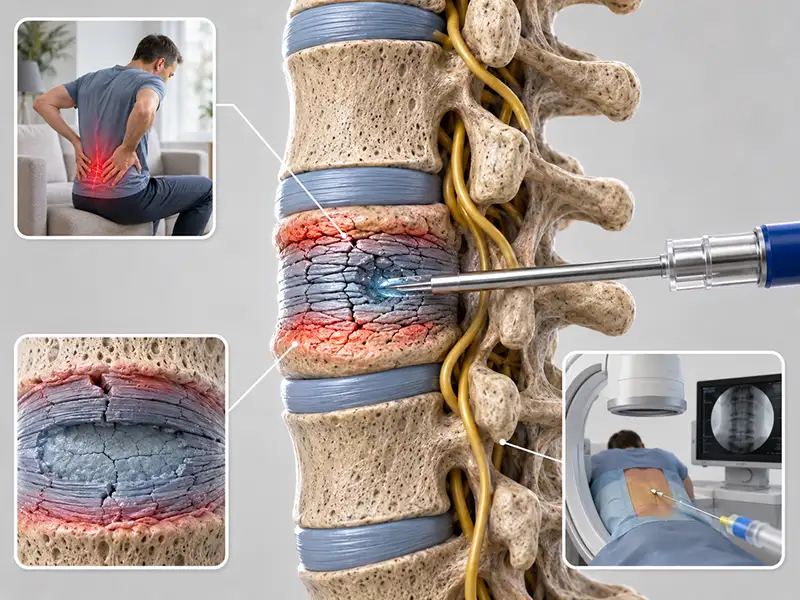
Facet joint fusion is typically recommended when chronic back or neck pain caused by facet joint damage has not improved with other treatments. Common reasons our team at Shore Spine & Pain may recommend this procedure include facet joint syndrome, spinal instability, spinal arthritis, and degenerative disc disease.
Before recommending fusion, Dr. Woska first explores conservative options including anti-inflammatory medications, activity modification, and facet joint injections. If those approaches have not provided lasting relief, fusion may be the appropriate next step.
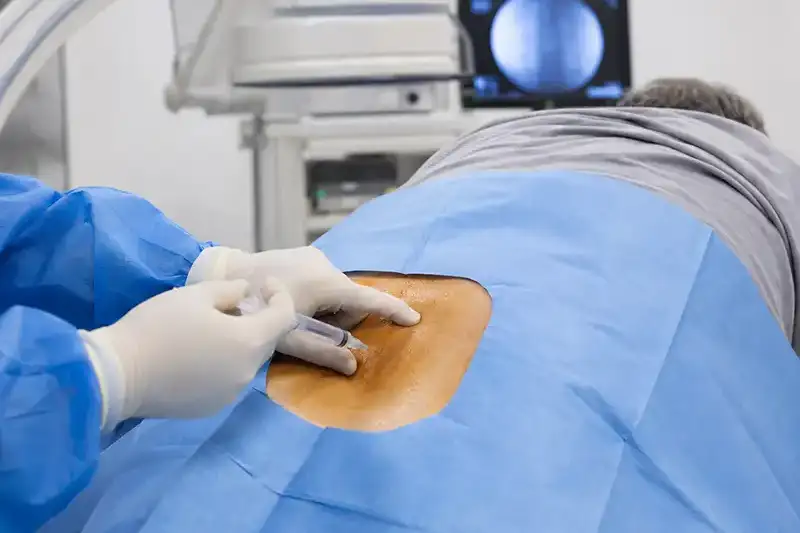
An important part of our evaluation process at Shore Spine & Pain is a diagnostic facet joint injection that helps confirm whether the facet joints are the true source of your pain. If you experience noticeable but temporary relief from this injection, it gives our team the clinical confirmation needed to move forward with confidence.
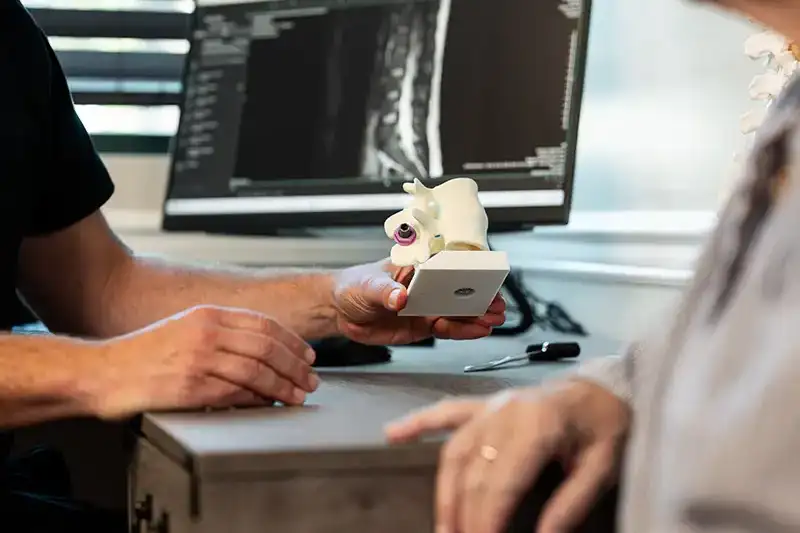
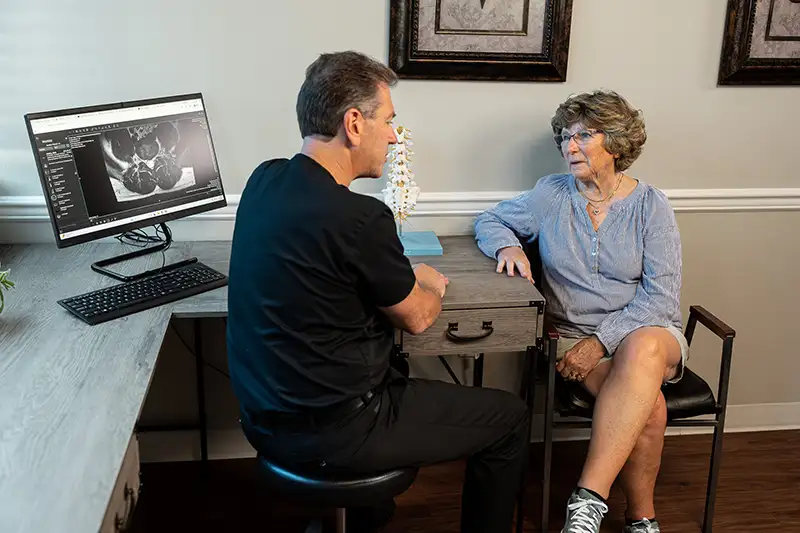
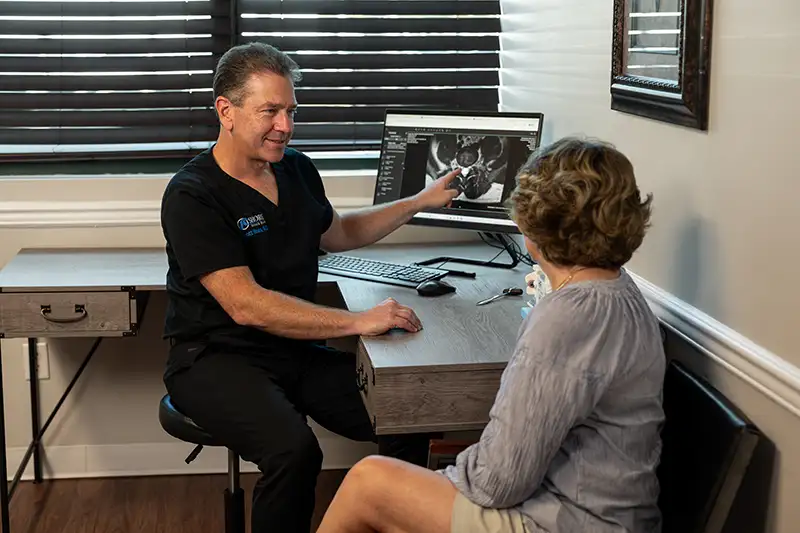
Dr. Woska will review your imaging, your symptoms, and your full treatment history to determine whether facet joint fusion is the right fit for your situation.
How is a Facet Joint Fusion Performed?
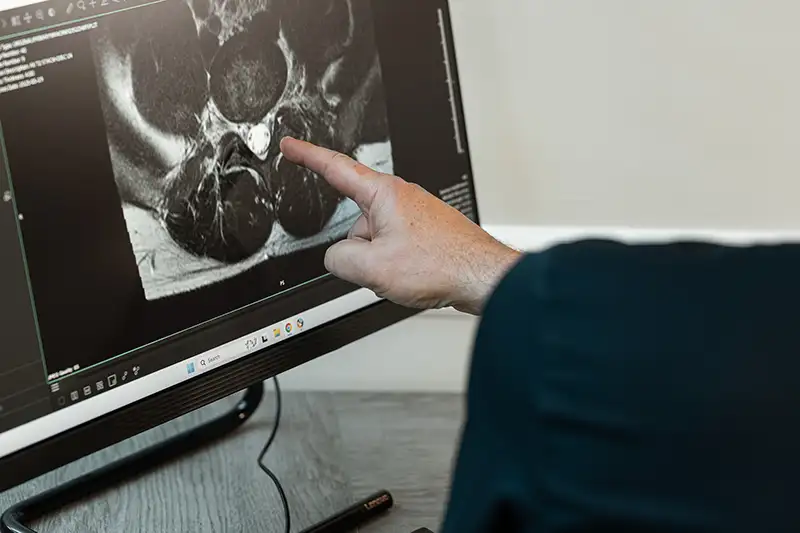
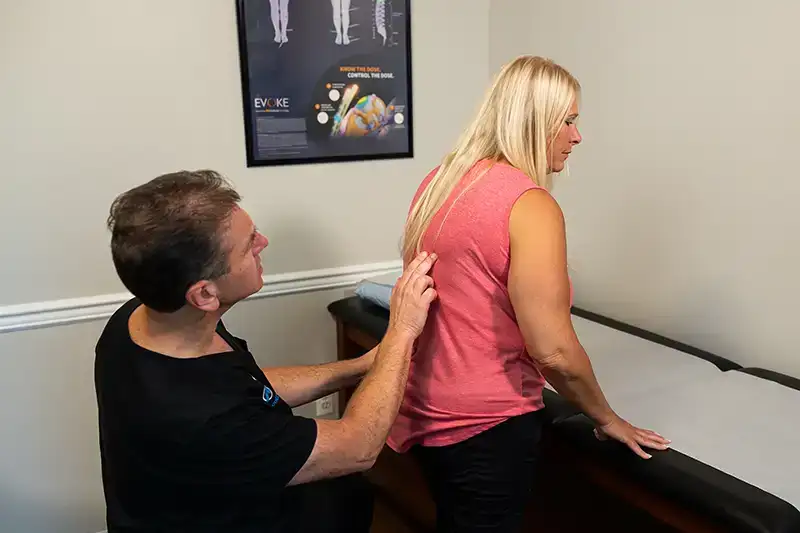
Before your procedure, Dr. Woska reviews your medical history, performs a physical examination, and studies your imaging, whether X-rays, MRI, or CT scans, to confirm which spinal levels need to be treated and ensure nothing relevant is being overlooked. This pre-procedure evaluation is a standard part of how our team at Shore Spine & Pain approaches every surgical recommendation.
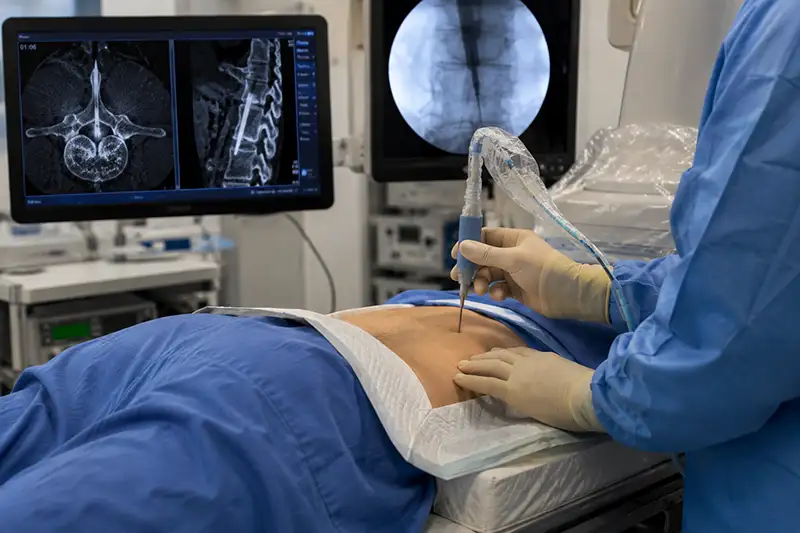
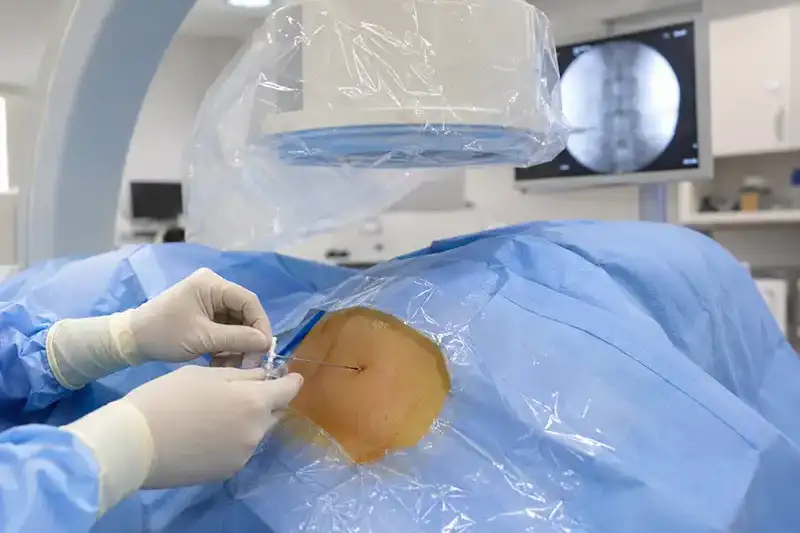
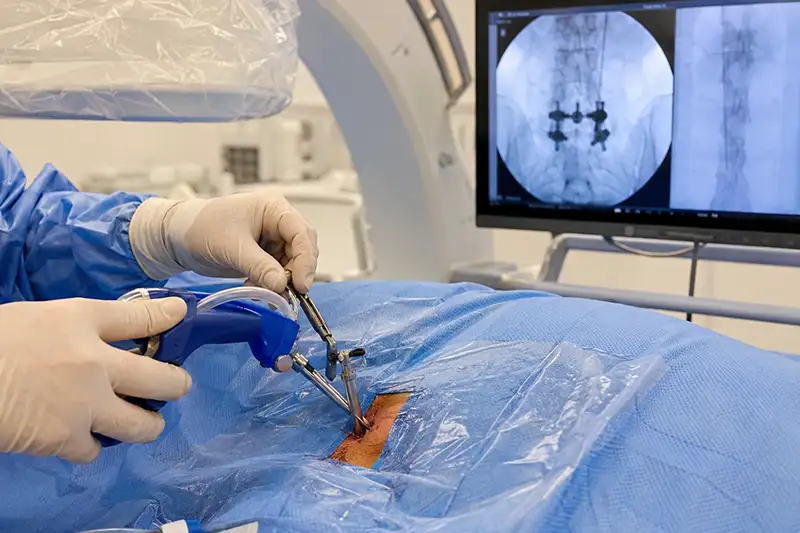
On the day of the procedure, you will be positioned on the table and the treatment area will be cleaned and prepared. Anesthesia is administered to keep you comfortable throughout. Dr. Woska uses a live X-ray system from start to finish to guide instrument placement and confirm accuracy at every step, a level of imaging oversight that is central to how our team approaches minimally invasive spine procedures.
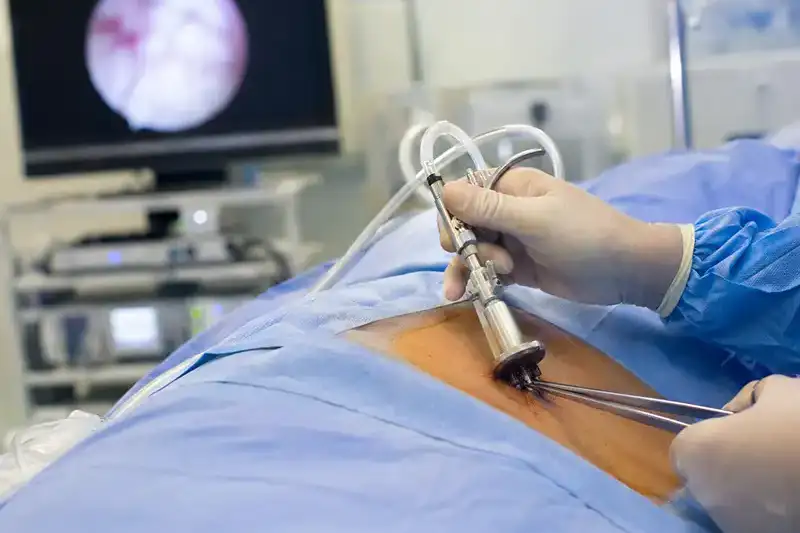
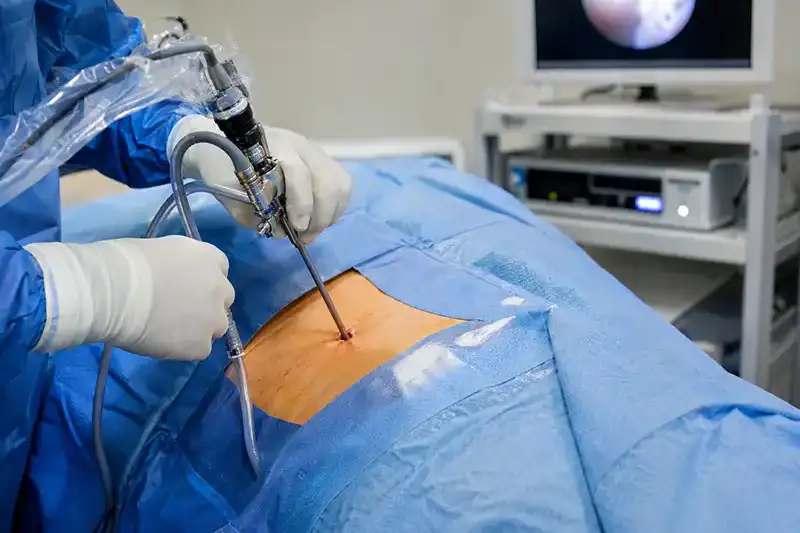
Dr. Woska makes one or more small incisions near the affected area of the spine. Because this is a minimally invasive approach, the surrounding muscles and tissue are disturbed as little as possible, which reduces post-procedure discomfort and speeds recovery compared to traditional open surgery.
Dr. Woska then accesses the facet joint and removes the cartilage from the joint surfaces, preparing the bones so they can fuse together. Bone graft material is placed in the joint space to encourage new bone growth. Depending on your situation, this graft may come from your own body, a donor source, or a combination of materials.
Small screws or bone anchors are placed to hold the joint stable while the fusion develops over the coming months. Once Dr. Woska confirms everything is correctly positioned, the incisions are closed and covered with a sterile dressing. Most people go home the same day, and our team at Shore Spine & Pain in Lakewood or Shrewsbury, NJ is available throughout your recovery to answer questions and monitor your progress.
What To Expect After a Facet Joint Fusion

Most people go home the same day or after a short stay for observation. Some soreness and swelling around the treated area is normal and can be managed with medication. Heavy lifting, bending, and strenuous activity should be avoided while you heal.
Facet joint fusion is a gradual process. Over the weeks and months following the procedure, the treated joint becomes more stable and pain levels typically decrease as healing progresses. Many people experience a lasting reduction in pain and find it easier to move, work, and return to the activities they enjoy.
Throughout your recovery, Dr. Woska and the team at Shore Spine & Pain in Lakewood and Shrewsbury, NJ are available to monitor your progress and answer any questions that arise between appointments. Follow-up visits are scheduled at defined intervals to confirm healing is on track and to make any adjustments to your care plan as needed. Our team will walk you through what to expect based on your specific condition and the number of levels treated before you leave the clinic.
Frequently Asked Questions about Facet Joint Fusion
How is facet joint fusion different from traditional spinal fusion, and why would one be recommended over the other?
Facet joint fusion specifically targets the small joints along the back of the spine rather than the vertebral bodies or discs. It is generally a less involved procedure with a shorter recovery than traditional minimally invasive spinal fusion, and it is the appropriate choice when the facet joints have been confirmed as the primary pain source rather than disc degeneration or broader spinal instability. Dr. Woska at Shore Spine & Pain determines which procedure is the right fit based on your specific imaging findings, symptom history, and how you have responded to prior treatment.
I have had facet joint injections that worked for a while but kept wearing off. Does that mean I am a candidate for facet joint fusion?
A positive response to facet joint injections that becomes progressively shorter-lived is one of the clearest indicators that the joint itself is the structural problem rather than inflammation alone. When injections confirm the facet joints as your pain source but cannot provide lasting relief on their own, facet joint fusion addresses the root cause directly by eliminating the painful motion at that joint permanently. Dr. Woska at Shore Spine & Pain will review your full injection history, imaging, and symptom pattern to determine whether facet joint fusion is the appropriate next step for your situation.
How long does the facet joint fusion procedure take, and will I need to stay overnight?
Most facet joint fusion procedures take between one and two hours. Many people go home the same day. If multiple spinal levels are being treated, Dr. Woska may recommend a short overnight stay for observation and pain management. Our team at Shore Spine & Pain will walk you through exactly what to expect on the day of your procedure before you arrive.
When will I start feeling relief after facet joint fusion, and how long until I can return to normal activity?
Many people notice meaningful improvement in their pain well before full bone fusion is complete, often within the first several weeks as the joint stabilizes. Full fusion can take anywhere from three to twelve months depending on your overall bone health and the spinal levels treated. Return to work depends on the physical demands of your role. Those with desk jobs may return within a few weeks, while those with physically demanding roles typically need additional time before resuming full duties. Dr. Woska reviews a personalized recovery timeline with you before the procedure at Shore Spine & Pain..
What are the risks specific to facet joint fusion, and how does the minimally invasive approach reduce them?
Risks associated with facet joint fusion include infection, bleeding, temporary nerve irritation, and the possibility that the fusion does not fully consolidate over time. The minimally invasive approach reduces many of these risks compared to traditional open surgery by working through small incisions with minimal disruption to surrounding muscles and tissue. Serious complications are uncommon, and most people tolerate the procedure well. Dr. Woska reviews all risks and benefits specific to your health history and spinal condition at Shore Spine & Pain in Lakewood or Shrewsbury, NJ before any decision is made.