How do you know if you need back surgery? For most people, the answer starts with a pain management doctor, not a surgeon. Unless your back pain is causing new weakness in your legs or changes in bladder or bowel control, finding the exact source of the pain comes first, because that answer shows whether surgery is needed at all.
After months of pain with no clear explanation, hearing “surgery” can feel like being handed the hardest option first. At Shore Spine & Pain, Dr. Scott Woska, a board-certified pain management physician, has spent more than 20 years helping patients across Monmouth and Ocean County learn what’s causing their pain before recommending any treatment.
What Does a Pain Management Doctor Do for You?
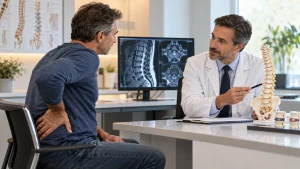
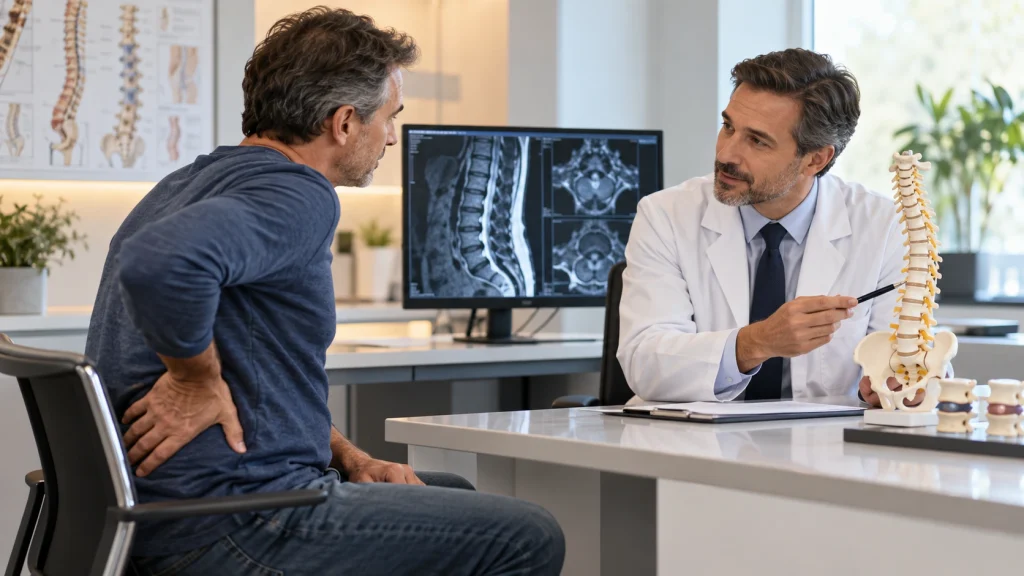
A pain management doctor’s first job is finding exactly where your pain starts, then treating that spot with targeted procedures instead of an operation. A nerve test called electrodiagnostic testing shows whether a nerve is sending signals normally. A diagnostic injection numbs one specific spot, and if your pain fades afterward, that spot is confirmed as the source of the pain. Having a confirmed answer means any treatment that follows is aimed at the right place.
When Is a Pain Management Doctor the Right First Step?
Back pain that is persistent and comes from a specific source usually responds well to non-surgical care, even when it’s severe or long-lasting. You’re likely a good fit if your pain isn’t getting worse, you still have full strength, your bladder and bowel control haven’t changed, and the pain traces to one spot, such as a facet joint (a small joint along the back of the spine that lets you bend and twist), a disc, or an irritated nerve.
When you’re weighing chronic pain management or surgery, non surgical back pain treatments mean 3 things:
- Less time sidelined: Most procedures let you go home the same day and recover in days, not months.
- Fewer recovery risks: No hospital stay, no being put fully under, and no screws or rods.
- Progress you can measure: Tracking your pain and the everyday tasks you can do again builds a realistic plan for returning to work.
Signs It’s Time to See a Spine Surgeon
Outside of an emergency, knowing when back surgery is necessary usually comes down to whether a nerve has the ability to do its job.
Is Your Leg Getting Weaker or Just Hurting More?
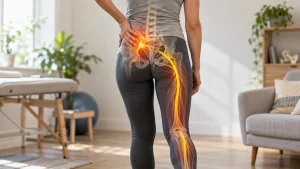
Pain that shoots, burns, or aches down the leg, like sciatica, can be intense without changing what your leg can do, and treatment usually starts with non-surgical care. When a nerve is steadily losing strength or feeling, you may notice foot drop (your toes catching or your foot slapping down as you walk), a grip that’s suddenly weaker, or numbness that keeps spreading make a surgical opinion more urgent.
Symptoms That Point Toward Back Surgery
A surgical opinion makes sense when weakness or numbness keeps getting worse, even if it’s happening slowly. The same is true when pain keeps coming back after treatment aimed at the confirmed source, or when imaging shows a fracture, shifting bones, or a badly pinched nerve. Pain that stops you from walking or standing for more than a few minutes is another sign that a surgeon should take a look.
Non-Surgical Back Pain Treatments To Help You Avoid Surgery
Non surgical back pain treatments work by targeting the specific nerve, joint, or tissue causing your pain, rather than reshaping or fusing the spine. Most are done as outpatient visits, and you’re usually back home the same day. Even if spinal fusion (permanently joining two or more bones in the spine) has been mentioned as your next step, one of these options may be a better match for what’s actually causing your pain.
Epidural Steroid Injections for Irritated Nerves
An epidural steroid injection places anti-inflammatory medicine near an irritated nerve root. It’s often the first treatment offered for pain that travels down a leg or arm from a herniated disc or narrowing, and it involves no incision at all.
Radiofrequency Ablation and Endoscopic Rhizotomy for Facet Joint Pain
Facet joint pain is usually an ache that stays close to the spine and worsens with standing or twisting. Once a diagnostic block (a temporary numbing test) confirms those joints are the cause, radiofrequency ablation uses gentle heat through a thin needle to quiet the small nerves carrying the pain. For people whose relief keeps fading, endoscopic rhizotomy treats the same nerves through a small incision, aiming for longer-lasting results.
Minimally Invasive Lumbar Decompression (MILD Procedure) for Spinal Stenosis
Spinal stenosis is a narrowing in the lower spine that crowds the nerves. The MILD procedure removes a small amount of thickened tissue through an opening about the size of a baby aspirin, with no stitches and nothing left implanted. It’s often a good fit if you need to sit down or lean on a shopping cart after a short walk.
Spinal Cord Stimulation for Chronic Nerve Pain
Spinal cord stimulation uses a small device that sends mild electrical signals to change how pain messages reach the brain. A trial with a temporary device comes first, so you can judge the relief in your own routine before anything becomes permanent. It’s designed for nerve pain in the back or legs that hasn’t responded to other care.
Find a Pain Management Doctor Near You
Determining whether you need spine surgery starts with an accurate diagnosis, not a guess. If you’re looking for a pain management doctor in Lakewood or Shrewsbury, NJ, Dr. Woska and the Shore Spine & Pain team can help you find what’s behind your pain and which options fit. Call (732) 584-2400 to talk through your symptoms or request an appointment.