
How Chronic Pain Can Affect Your Mental Health
Chronic pain and depression are closely connected, and the relationship can work in both directions.
Pain that lasts 3 months or longer is generally considered chronic. Learning more about pain management can be a useful first step when ongoing symptoms begin affecting sleep, movement and daily life. When symptoms continue beyond the expected healing period, they can affect energy, sleep, movement, and the activities that normally bring meaning and enjoyment.
Over time, that can contribute to depression.
Research also suggests that pain and mood involve overlapping biological processes, including systems involved in stress, sleep, emotional regulation, and pain processing. This does not mean pain is all in your head. It means that pain affects the whole person, not just the area that hurts.
A 2024 analysis of nationally representative U.S. survey data found that approximately 12 million adults had both chronic pain and clinically significant anxiety or depression symptoms. Among adults with chronic pain, an estimated 23.9% had co-occurring anxiety or depression symptoms.
Why Pain and Depression Can Reinforce Each Other
Living with persistent pain can create a difficult cycle:
- Pain makes it harder to exercise, socialize, work, or take part in activities you enjoy.
- Losing those routines can affect your mood and sense of independence.
- Low mood, stress, and poor sleep can make pain harder to manage.
- More pain can lead to further withdrawal, frustration, and disrupted sleep.
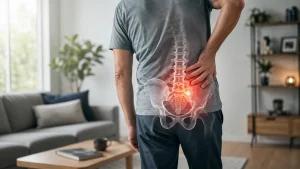
For example, someone with chronic lower back pain may stop going to the gym because movement feels uncomfortable. After a few months, they are sleeping poorly, feeling less confident, and missing the social connection they used to get from training.
That does not mean everyone with chronic pain will develop depression. It does mean emotional wellbeing deserves attention alongside physical symptoms.
How Does Chronic Pain Affect Your Mood and Sleep?
Pain and sleep can become closely linked. A painful night can leave you exhausted the next morning, and poor sleep can make the next day feel harder. You might wake up when turning over in bed because your back, neck, hip, or leg hurts. By morning, you feel as though you have barely rested. Work, household tasks, rehabilitation, or family responsibilities take more effort than usual.
You may start turning down invitations because getting out feels uncomfortable. You might avoid movement because you are worried about making the pain worse. Then bedtime comes around, and the cycle starts again.
Signs of Depression Linked to Chronic Pain
Not everyone living with chronic pain who develops depression will describe themselves as feeling “depressed.” Sometimes, the effects of ongoing pain show up first in your mood, energy levels, relationships and ability to manage everyday life.
You might notice:
- Feeling tired, overwhelmed or irritable much of the time, especially after poor sleep or a difficult pain day.
- Losing interest in activities you would normally enjoy because pain makes them feel too difficult or exhausting.
- Feeling less connected to friends or family, or withdrawing because socializing feels like too much effort.
- Worrying that your chronic pain will never improve or that it will continue to limit your life.
- Feeling frustrated, guilty or discouraged about needing help or being unable to do what you used to.
- Struggling to sleep because of pain, or waking up feeling unrefreshed.
- Finding it harder to concentrate, make decisions or keep up with work, home or other responsibilities when pain is persistent.
When Chronic Pain Starts Affecting Your Everyday Life
These experiences do not automatically mean you have depression. Chronic pain can affect your sleep, energy and mood, and some of these symptoms can overlap with depression.
However, if these changes persist, worsen or begin interfering with your daily life, relationships or ability to manage your pain, it is worth speaking to a healthcare professional.
For example, if you have started turning down plans with friends because you are exhausted, or you are finding it harder to manage work and household responsibilities because of ongoing pain, those changes are worth discussing.
A pain specialist can help assess how your chronic pain is affecting your everyday life and discuss treatment options that address more than pain intensity alone.
Start With One Part Of The Pain Cycle
You do not have to address every part of the problem at once.
For some people, getting a clearer diagnosis is the first step. For others, improving sleep, restoring safe movement, or getting support for low mood may be a better place to start.
The key is to recognize how these issues can feed into each other. Pain can disrupt sleep, poor sleep can leave you more tired and less able to cope, and reduced activity can affect both your physical comfort and mood. Over time, these changes can make the pain harder to manage.
Treating the painful area without considering how it affects your sleep, movement and daily life may leave part of the problem unaddressed. Starting with one area can help break that cycle and make the next step easier to manage.
Who May Feel the Emotional Impact of Persistent Pain?
Anyone living with ongoing pain can experience changes in mood. The impact may be especially difficult when symptoms interfere with something important to your everyday life.
Active adults and weekend warriors
If running, cycling, gym sessions, or recreational sport are part of your routine, being forced to stop can be frustrating. You may worry about losing strength, falling behind, or not returning to the activities you enjoy. Understanding what is causing the pain can help you make more informed decisions about treatment and getting back to movement safely.
Older adults
Persistent pain can gradually make everyday activities more difficult. A short walk may become less appealing. Shopping, driving, visiting friends, or attending family events may take more planning. Over time, reduced mobility can lead to isolation and lower mood. Supporting safe movement and independence is an important part of looking after the whole person.
Injured workers
A workplace injury can bring more than physical symptoms. You may be dealing with questions about modified duties, workers’ compensation, income, and when you can return to work. When recovery feels uncertain, frustration and worry are understandable. A careful evaluation can help clarify what may be causing your symptoms and what treatment options may be appropriate.
What Can You Do About Chronic Pain and Depression?
The first step is understanding what is causing the pain and how it is affecting your life.
At Shore Spine & Pain in Lakewood, NJ and Shrewsbury, NJ, a diagnostic-first approach considers more than where you hurt. Your evaluation may include:
- When the pain started and how it has changed.
- Which movements or positions make it better or worse.
- Whether you have numbness, weakness, or radiating pain.
- How symptoms affect your work, sleep, exercise, and daily activities.
- Whether stress, poor sleep, or low mood are making it harder to cope.
The goal is to understand the underlying problem and create a clearer path toward appropriate care.
When to seek support for your mood
If you have been feeling persistently low, have lost interest in activities you normally enjoy, or are struggling to manage everyday life, speak with your primary care doctor or a qualified mental health professional. Depression is a real health concern. Getting support does not mean your pain is psychological or any less real.
If you are having thoughts of harming yourself or feel unable to stay safe, call or text 988 in the United States to reach the Suicide & Crisis Lifeline, or call 911 for immediate emergency help.
Get Help for Persistent Pain in Central New Jersey
You do not have to simply put up with pain that is affecting your sleep, mood, movement, or daily life.
Shore Spine & Pain serves patients throughout Central New Jersey, including Lakewood and Shrewsbury. Care begins with understanding your symptoms and working toward answers.
If chronic pain is making everyday life harder, reach out to the Shore Spine & Pain team to schedule an evaluation and discuss your next steps.